Use the filters to browse the information we have available or to narrow your search results for a specific audience (e.g. caregivers, military, children), a preferred type of content (e.g. videos, blogs, articles), or by topics of interest (e.g. family concerns, legal issues, symptoms).
Researchers published, what they say is the first case of a living person identified with the degenerative brain disease, chronic traumatic encephalopathy, or CTE.
A Harvard Medical School study published in Nature Communications shows a molecular relationship between TBI and CTE but also a possible treatment mechanism — just not one that can be used to treat humans quite yet.
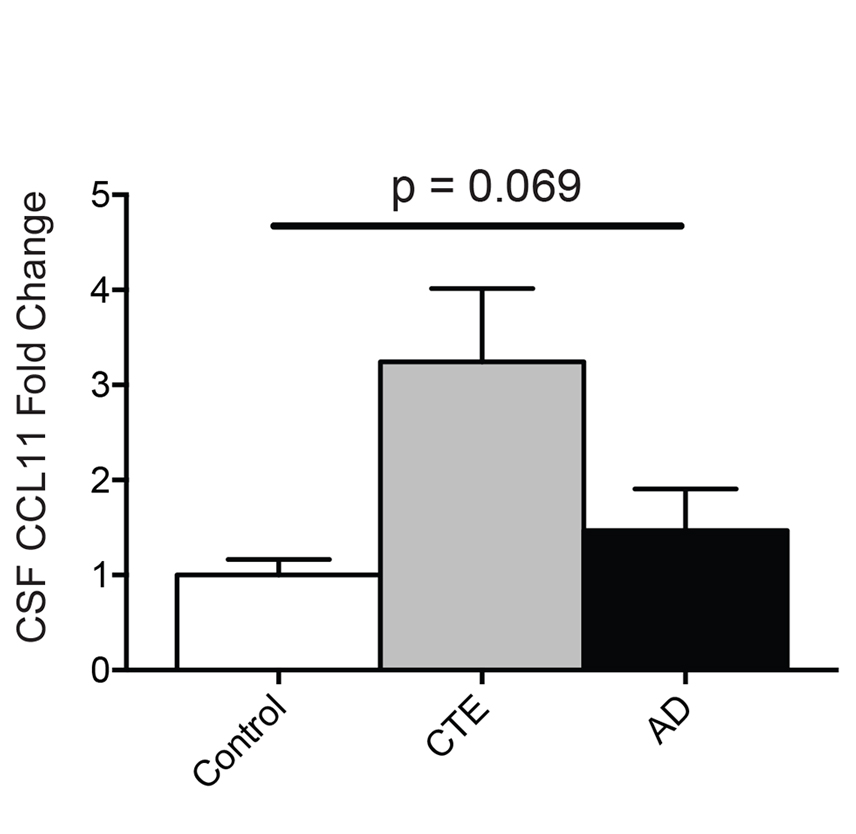
A new biomarker (CCL11) for chronic traumatic encephalopathy (CTE) has been discovered that may allow the disease to be diagnosed during life for the first time.
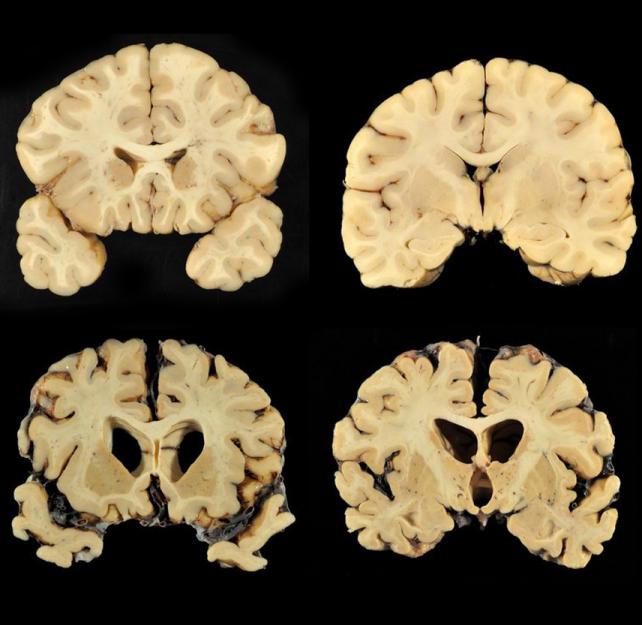
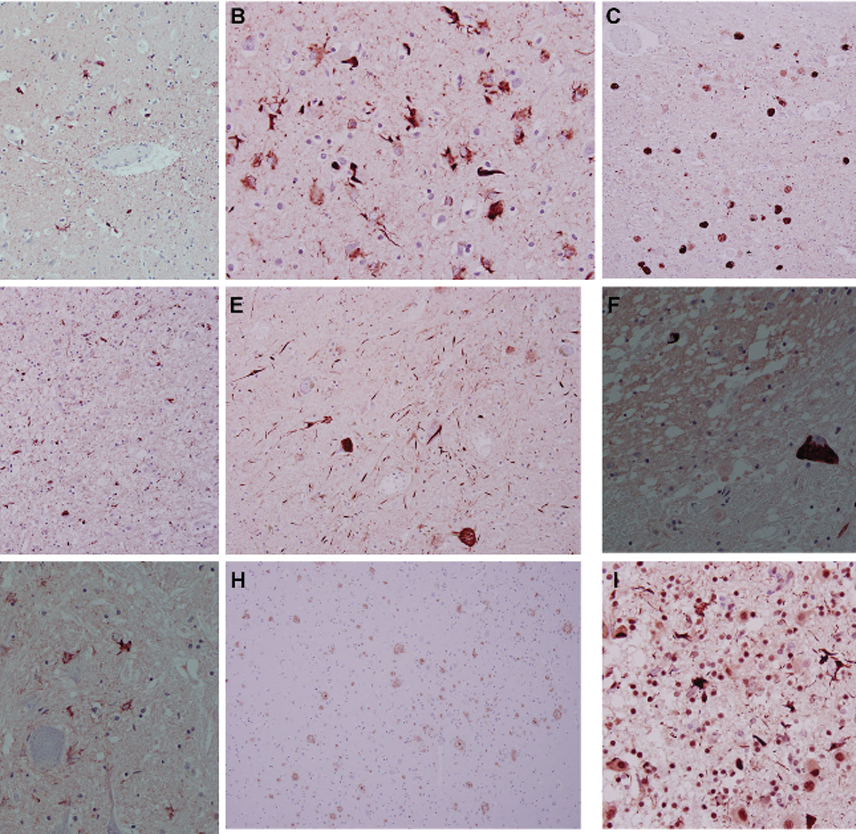
A neuropathologist has examined the brains of 111 NFL. players — and 110 were found to have CTE, the degenerative disease linked to repeated blows to the head.
Does playing high school football have a statistically and clinically significant adverse association with cognitive impairment and depression at 65 years of age?
It is increasingly recognized that moderate to severe traumatic brain injury increases the risk for dementia in older adulthood. Whether mild TBI is associated with increased risk of dementia is less clear, especially because fewer prospective studies have focused on mild TBI. This is an important gap in the field, especially because concussion is relatively common, among both the general population and certain groups such as athletes and military service members.
According to a national poll, a majority of Americans say they believe concussions and brain injuries resulting from sports are a major problem and leagues like the NFL are not doing enough to respond.
In 45 retired NFL athletes, there were no associations between pre-high school football and neuroradiological, neurological, and neuropsychological outcome measures.
The neuropsychological findings of a 25-year-old former college football player who was diagnosed with chronic traumatic encephalopathy (CTE) postmortem.
A Mayo Clinic study links amateur contact sports — football, boxing, wrestling, rugby, basketball, baseball and others played while in school — with the development of CTE, which when severe can affect mood, behavior, and cognition.
Dr. Jack Tsao talks about research on military-related CTE and what questions are being asked — from who is most susceptible to can it develop from blast injuries rather than direct hits to the head.
The issues of sports-related concussions and chronic traumatic encephalopathy were intensified when the brain of a deceased 21-year-old football player was examined.
Dr. Robert Cantu talks about how growing research is showing that CTE not only occurs in the brains of older athletes who have sustained multiple hits to the head, but also in athletes as 17.