Use the filters to browse the information we have available or to narrow your search results for a specific audience (e.g. caregivers, military, children), a preferred type of content (e.g. videos, blogs, articles), or by topics of interest (e.g. family concerns, legal issues, symptoms).
Helping someone with a brain injury navigate life on a college campus after being in the military can be a tall order. Army veteran Timm Lovitt is the man for the job.
Mood and behavior changes may appear after a concussion or mild TBI. You or your loved one may not understand why this is happening or know what to do. Trying these tips may improve these feelings.
Like those of us who have been at this business of life after brain injury for a long time, I am aware of the stages that we go through. I know that I am experiencing "recurring grief." During these times it can be very hard to “find the good and praise it..."
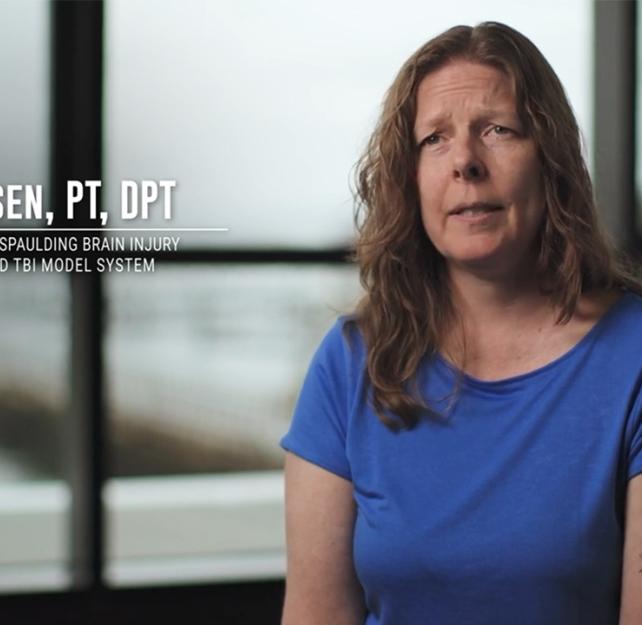
In this video, Beth Hansen, PT, DPT, explains what families should look for when choosing an inpatient rehabilitation program for someone with a disorder of consciousness.
There are several misconceptions around brain injury and it is important to dispel them. One is that someone with a TBI cannot get better. Not true; in fact, many, many people with TBI who are engaged in treatment get better and return to full lives. The second issue is the wishful thinking that there is one pill or technology that can cure a TBI. Not true; rather engaging in a series of evidence-based treatments and sticking to one’s treatment regimen is what helps people heal.
“Close your eyes and think about the vacation you took on a warm, sunny beach. Now, tell me every detail of what you see, hear, smell and feel.” This is how exposure therapy may start for vets with TBI and/or PTSD.