Use the filters to browse the information we have available or to narrow your search results for a specific audience (e.g. caregivers, military, children), a preferred type of content (e.g. videos, blogs, articles), or by topics of interest (e.g. family concerns, legal issues, symptoms).
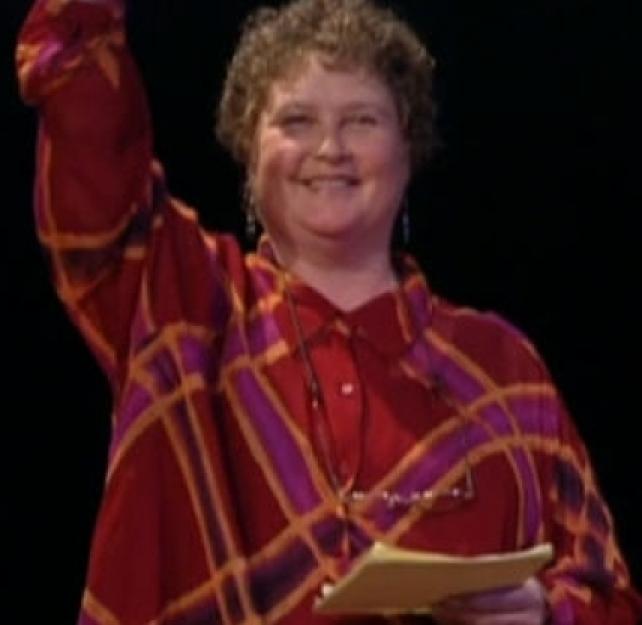
As Rosemary knows, laughter is a natural anti-depressant, an anti-anxiety fix, a shot of oxygen, and a muscle relaxer … and, best of all, it doesn’t require a prescription.
Adaptive sports like kayaking are great therapy for the injured brain ... and injured spirit. Hear from a few veterans who found hope, friendship, and renewed confidence from being out on the water.
"Life and living is the very definition of surviving. It is what the living do. Definitions are meant to change. Able to change. For the brain injured, begging to change. What does it mean to you to have survived?"
"TBI does not change the fact that we are human beings. We have feelings. We are not second class citizens. We are different, but different does not mean worse."
Sally Laux has lost her three brothers — two to death, one to a severe TBI — and yet, as she walks on a landscape of new textures and colors, she somehow continues to find meaning in her life.
TBI can come with increased risks of other health problems like Alzheimer's, but what harm is there in choosing to live a healthy life rather than focusing on what could happen?
For some people with TBI and their caregivers, life can feel painfully isolated. But trying to focus on one's strengths and a healthy and socially engaged lifestyle can help.
Learning to trust the world, to trust caregivers, can be equally if not more effective than drugs for people with executive function or behavioral problems post-TBI.
Dr. Jordan Grafman talks about the many ways caregivers and society as a whole can help people with brain injury more successfully reintegrate into their families and communities.
Dr. Jordan Grafman talks about the Vietnam Head Injury Study, started in 1981, that continues to look at the effects of brain injury on current and late-life function.
Researchers studying Vietnam veterans with TBI are now looking more closely at how TBI can alter a person's social beliefs — from religious and political to legal and moral.
Former Marine Matt Brown, who has TBI and PTSD, was dangerously suicidal and he would never "sugarcoat" that fact. It was finding his voice to help others that saved him.
Although she hates to have to talk to her husband — who suffers from combat-related TBI and PTSD — like a child, sometimes that's the only way she can get him to understand her.