Use the filters to browse the information we have available or to narrow your search results for a specific audience (e.g. caregivers, military, children), a preferred type of content (e.g. videos, blogs, articles), or by topics of interest (e.g. family concerns, legal issues, symptoms).
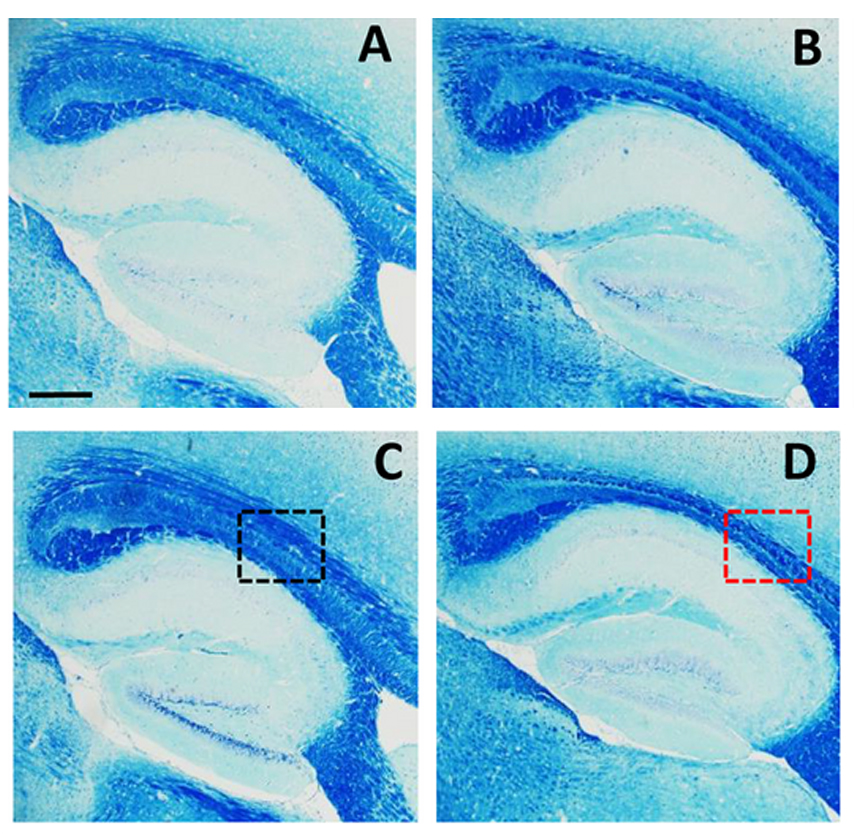
Study establishes the first comprehensive profile of the chronic behavioral and neuropathological consequences of single and repetitive mild traumatic brain injury over the lifespan of an animal.
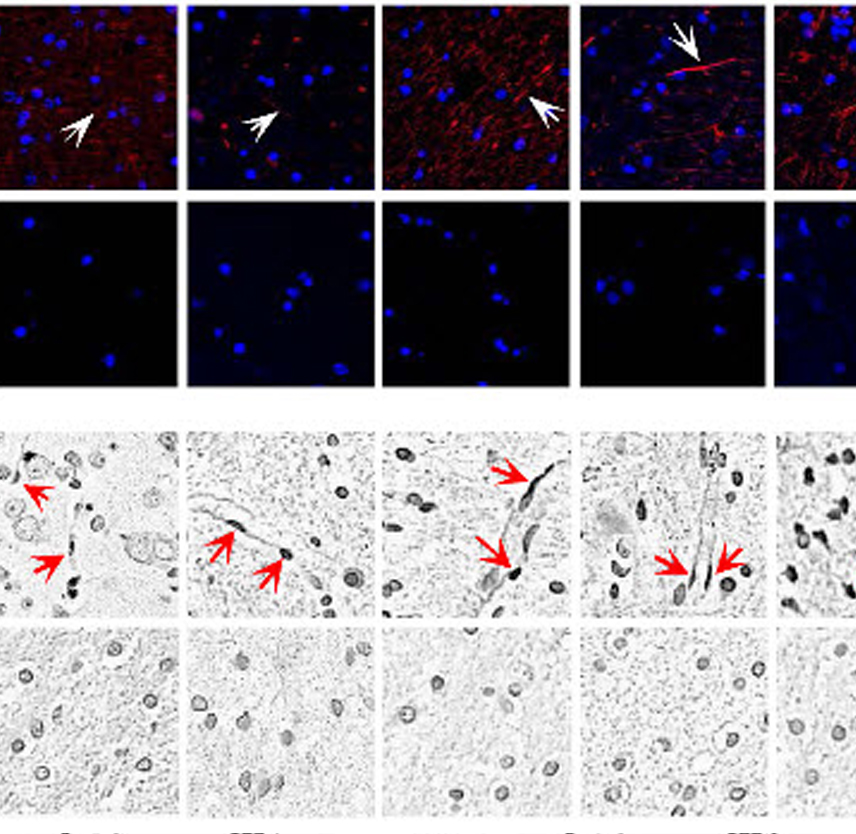
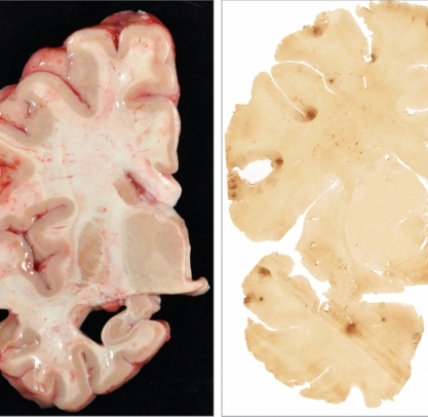
A Harvard Medical School study published in Nature Communications shows a molecular relationship between TBI and CTE but also a possible treatment mechanism — just not one that can be used to treat humans quite yet.
Understanding the puzzling and complex nature of concussion and how to treat it will take a whole new way of approaching the problem, according to new research led by Portland State University.
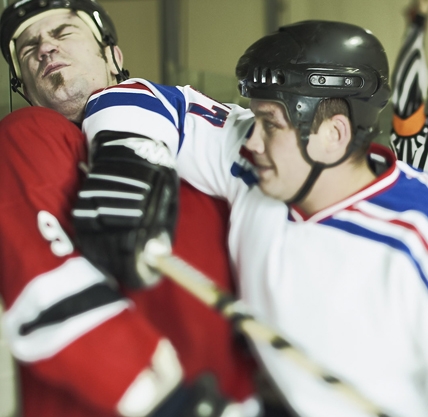
A new University of Michigan study confirms what many hospital emergency rooms nationwide are seeing: Teens playing contact sports suffer from concussions.
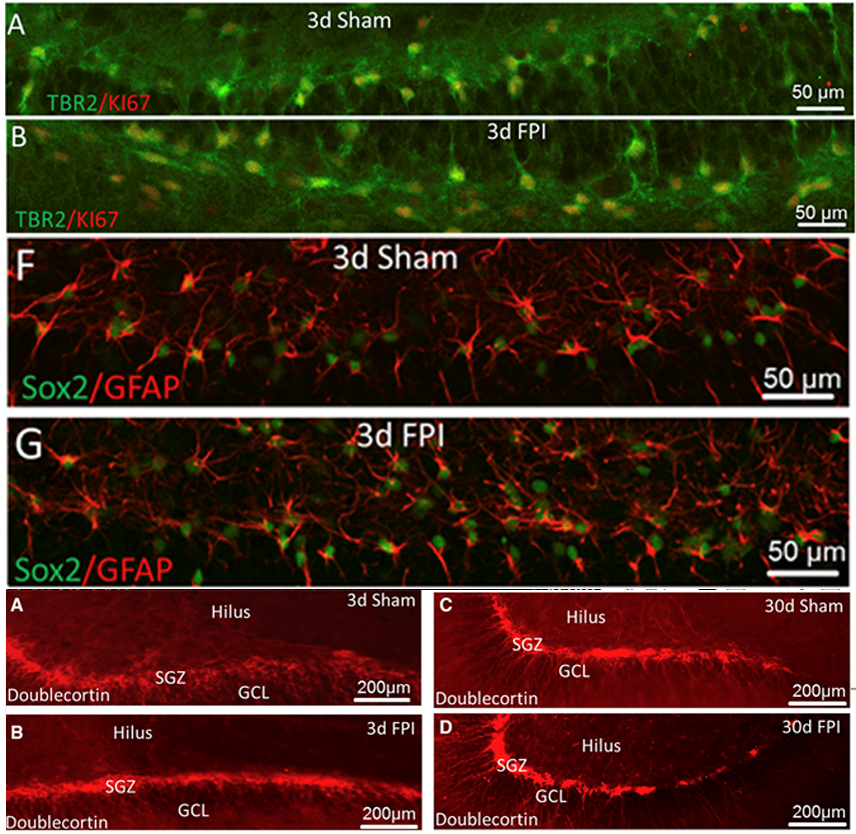
New research challenges the prevailing scientific assumption that, during recovery from head trauma, excessive neurogenesis (birth of new brain cells) is advantageous.
Study compares abnormal menstrual patterns in adolescents and young women with a sport-related concussion and those with non-head sport-related orthopedic injuries.
According to a national poll, a majority of Americans say they believe concussions and brain injuries resulting from sports are a major problem and leagues like the NFL are not doing enough to respond.
The neuropsychological findings of a 25-year-old former college football player who was diagnosed with chronic traumatic encephalopathy (CTE) postmortem.