Use the filters to browse the information we have available or to narrow your search results for a specific audience (e.g. caregivers, military, children), a preferred type of content (e.g. videos, blogs, articles), or by topics of interest (e.g. family concerns, legal issues, symptoms).
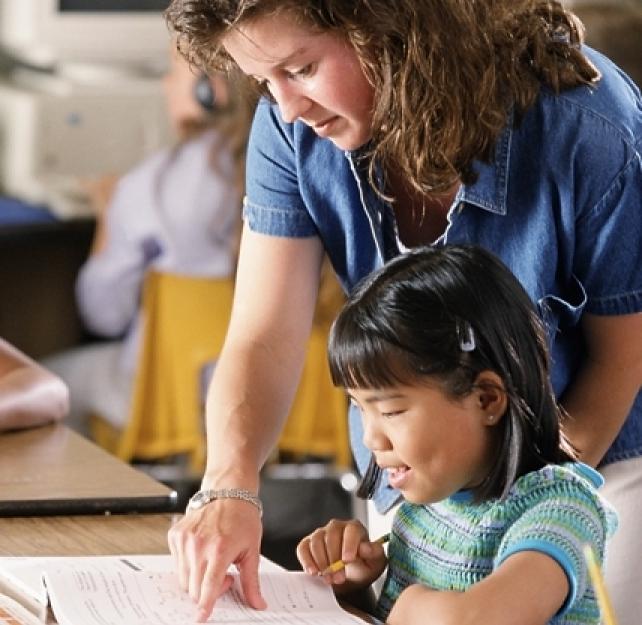
Listening, showing empathy, being respectful, and opening up to creative collaboration are all key ways parents and teachers can work together to help a child with brain injury.
Dr. Ann Glang talks about how school teachers and staff in collaboration with parents can help a child with TBI have a fulfilling and successful experience during school and beyond.
Kids with TBI have similar challenges to kids with other disabilities, but they also have uneven skill profiles, meaning they may be strong in one area or academic subject but deficient in another.
Teachers and staff need a knowledge and understanding of brain injury and what modifications kids with a brain injury may need in order to help their students most effectively.
People with TBI often had higher expectations for work and social life than their post-acute program staff recommended, a discrepancy partially attributed to TBI-related cognitive disorders.
Age, gender, time since injury, independence in activities of daily activities, depression, and self-esteem all played a role in issues of sexuality following a brain injury.