Use the filters to browse the information we have available or to narrow your search results for a specific audience (e.g. caregivers, military, children), a preferred type of content (e.g. videos, blogs, articles), or by topics of interest (e.g. family concerns, legal issues, symptoms).
I, personally, never use the word warrior for anyone but a combat veteran. But I do not call them warriors because of what they did during war. I call them warriors because of what they do every single day since returning from war.
Dizziness is one of the symptoms that you may experience after a concussion. It may make you feel unsteady and like things are moving when they are not.
Mood and behavior changes may appear after a concussion or mild TBI. You or your loved one may not understand why this is happening or know what to do. Trying these tips may improve these feelings.
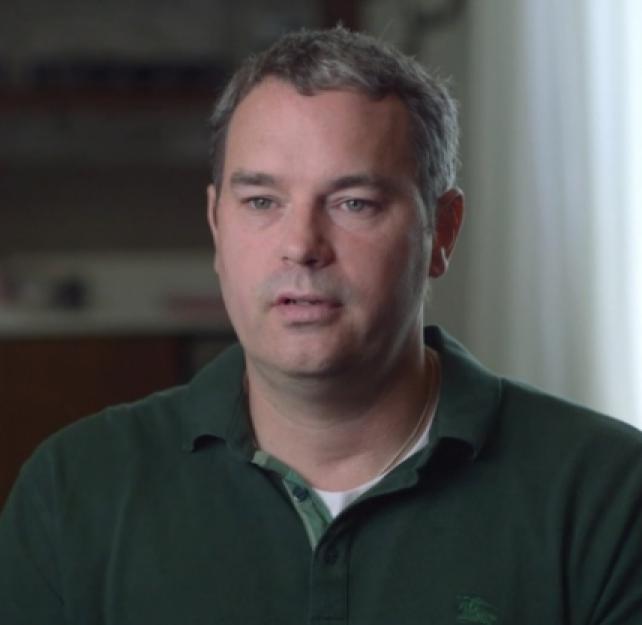
Retired Navy Senior Chief Petty Officer Brian O’Rourke's multiple brain injuries affected his relationships with his family for years. He denied it for a while, but his family encouraged him to seek help.
Retired Navy Senior Chief Petty Officer Ed Rasmussen experienced multiple concussions and now tells others who may have experienced a TBI to “talk to somebody you know who has one — because we’re out there.”
To all of us who love a person with a brain injury. To all the moments early on when glimpses of them began to emerge. Loving them through the despair that sets in over time when you realize that life will never be the same for anyone.
Recovery from a brain injury is not an event; it is a lifelong process. Sometimes the truth will be easily digestible, while at other times, self-awareness is painful. But this is all part of the process.
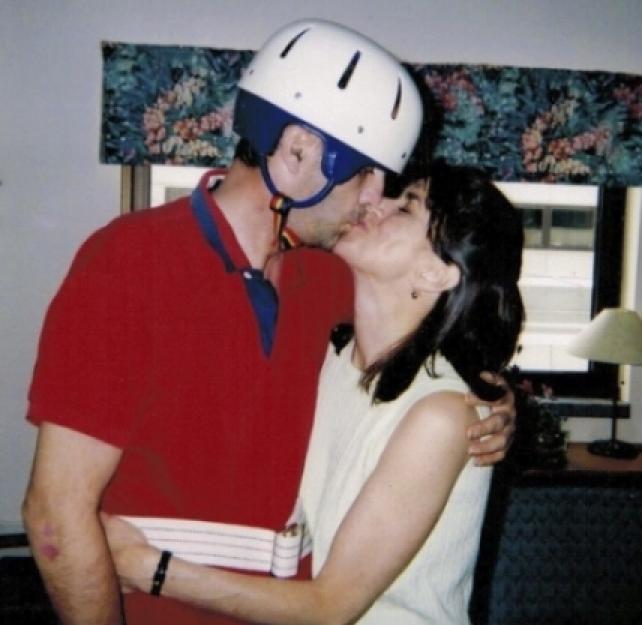
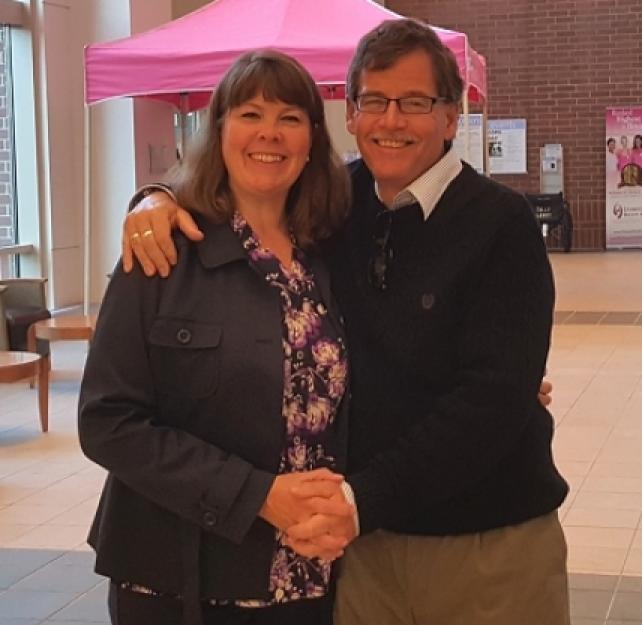
It’s called ambiguous loss. A loved one is physically present, yet transformed in countless, often subtle ways, that alter his essence. For couples coping with brain injury, it’s the elephant in the room.
How a traumatic crash on the half pipe transformed Kevin Pearce to a new kind of leader in the snowboarding community through his Love Your Brain campaign.
January is among my favorite months because it’s an annual restart button for our lives - a chance to forgive ourselves for our imperfections in the past year and an opportunity to decide who we want to be and how we want to live in the year ahead.
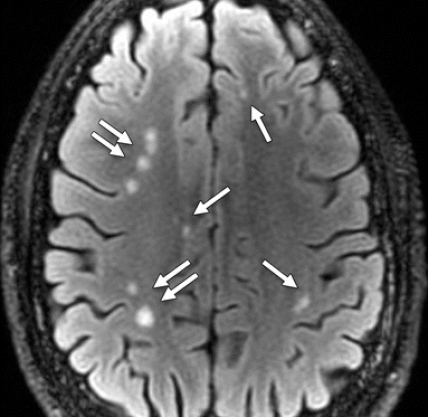
Many military personnel who experience blast-related traumatic brain injury (MTBI) have lasting brain damage as seen by MRI, according to a study published in Radiology.
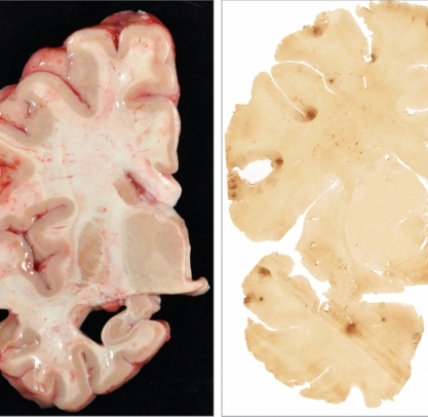
The neuropsychological findings of a 25-year-old former college football player who was diagnosed with chronic traumatic encephalopathy (CTE) postmortem.
Over the last few months, as my five-year anniversary passed, I felt an internal change. No longer was I simply trying to keep my head above TBI water. A new passion started to stir inside of me...
A 2015 report from the Office of Government Accountability says the 32 peer-reviewed studies on the effectiveness of the HBOT for traumatic brain injury and post-traumatic stress came up with mixed results.
In that first night, within those initial moments, you stole many of our hopes, dreams, and chances at the things we used to take for granted. In place of them, you gave challenges, frustrations, and endless new maps to navigate.
During a season that often seems to uncover and amplify old wounds, it is especially important to remember that brain injury has left us each with our own post-traumatic scars. Caregivers struggle to understand survivors. Survivors struggle to understand caregivers. The best we can do is to allow ourselves an extra breath to ask, “What’s really important at this moment?
In 1989, on my way home from work, a semi-truck hit me. I suffered a severe brain injury and spent eight days in a coma. I spent the next ten years focusing on myself and becoming the best I could be with what I had left.