Use the filters to browse the information we have available or to narrow your search results for a specific audience (e.g. caregivers, military, children), a preferred type of content (e.g. videos, blogs, articles), or by topics of interest (e.g. family concerns, legal issues, symptoms).
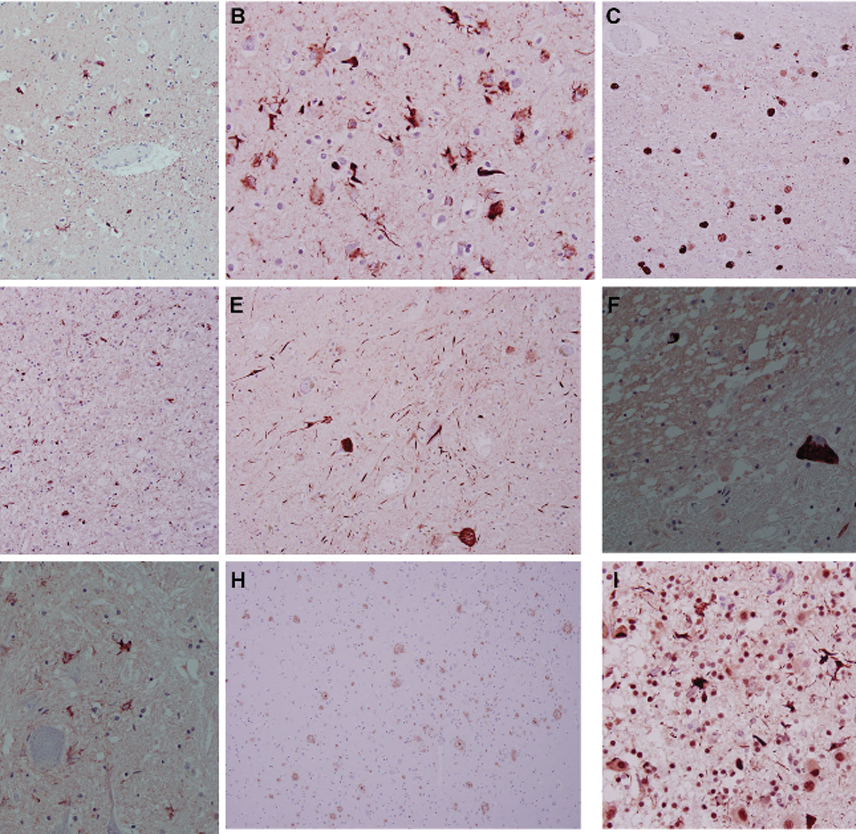
Researchers published, what they say is the first case of a living person identified with the degenerative brain disease, chronic traumatic encephalopathy, or CTE.
An accident happens. A brain injury rocks your world, and not in a good way. Fear rises like a tide, and soon enough, a tidal wave of anxiety. Janna offers a simple yoga practice to calm the "what ifs."
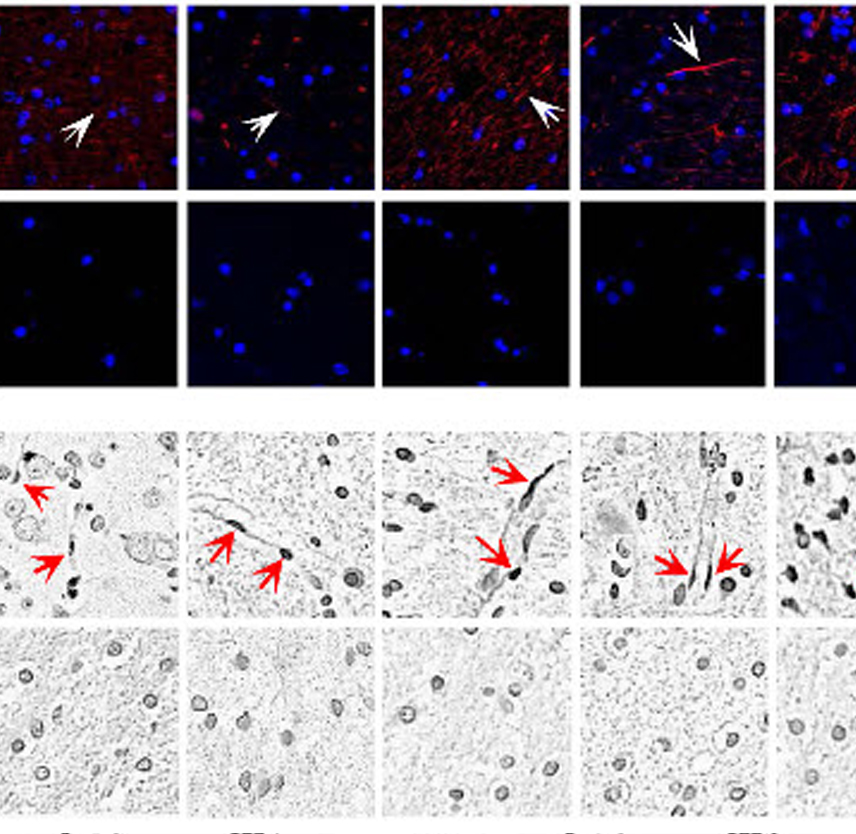
A Harvard Medical School study published in Nature Communications shows a molecular relationship between TBI and CTE but also a possible treatment mechanism — just not one that can be used to treat humans quite yet.
None of these challenges is blatant to the naked eye, but spend a bit of time with me, and you’ll learn soon enough that I’m not as normal as I look. Such is the nature of being invisibly disabled.
Our lives did not peak on a mountaintop in Afghanistan, or a jungle in Vietnam. They do if we think they do; if we see that as the ultimate achievement in our lives, and everything else is downhill and meaningless, then that’s what we will believe. That’s not the case.
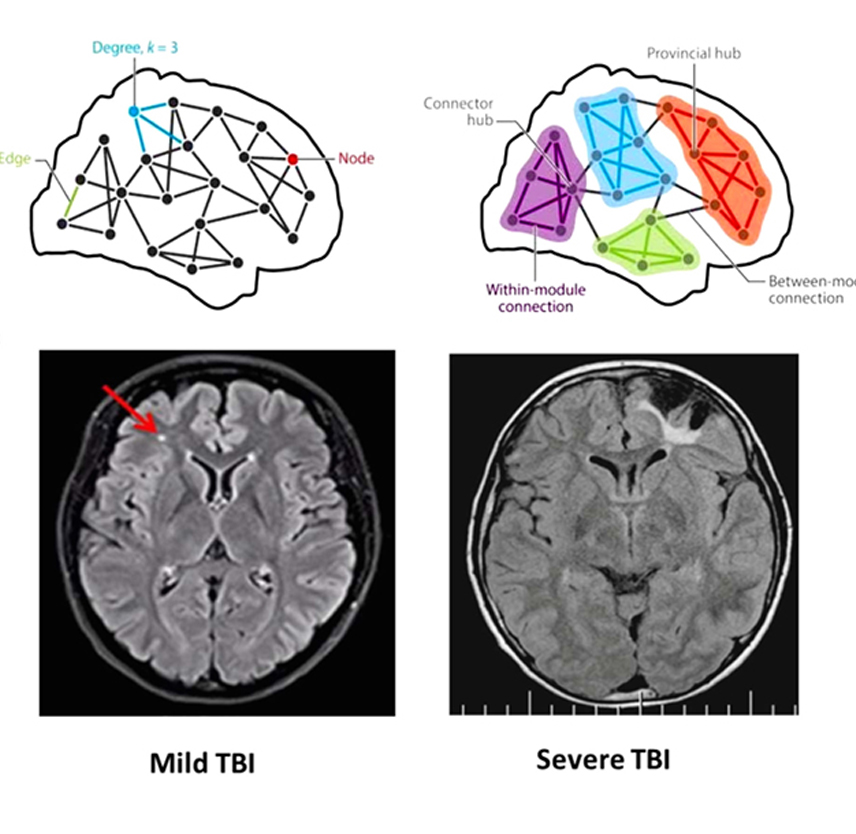
Understanding the puzzling and complex nature of concussion and how to treat it will take a whole new way of approaching the problem, according to new research led by Portland State University.
Here comes another caregiver confession: sometimes I feel guilty. No matter how hard my day has been, no matter how much my body hurts, or how overwhelmed my head feels, I know it will never compare to the challenges my husband faces in navigating this complicated world as a TBI survivor.
How do you love the man who can’t express emotions the way he did when you first fell in love with him? How long do you continue to gaze into eyes that don’t see your heart? How many times do you say, “I love you” to someone who doesn’t respond?
Without yoga, I would have let go of hope or a future. Without yoga, I would have stayed sad and angry forever. Of all the tools in your box of living with brain injury, I want yoga to be one of them. I want to ask what it is you need?
Cognitive Processing Therapy (CPT) teaches you to reframe negative thoughts about the trauma. It involves talking with your provider about your negative thoughts and doing short writing assignments.
For years, I measured my recovery by external gains. I looked for tasks that I could do better and longer. This was easily quantifiable data. I recently took some time to take stock of my growth over this past year. And what I saw surprised me. In fact, it was a completely unexpected revelation.
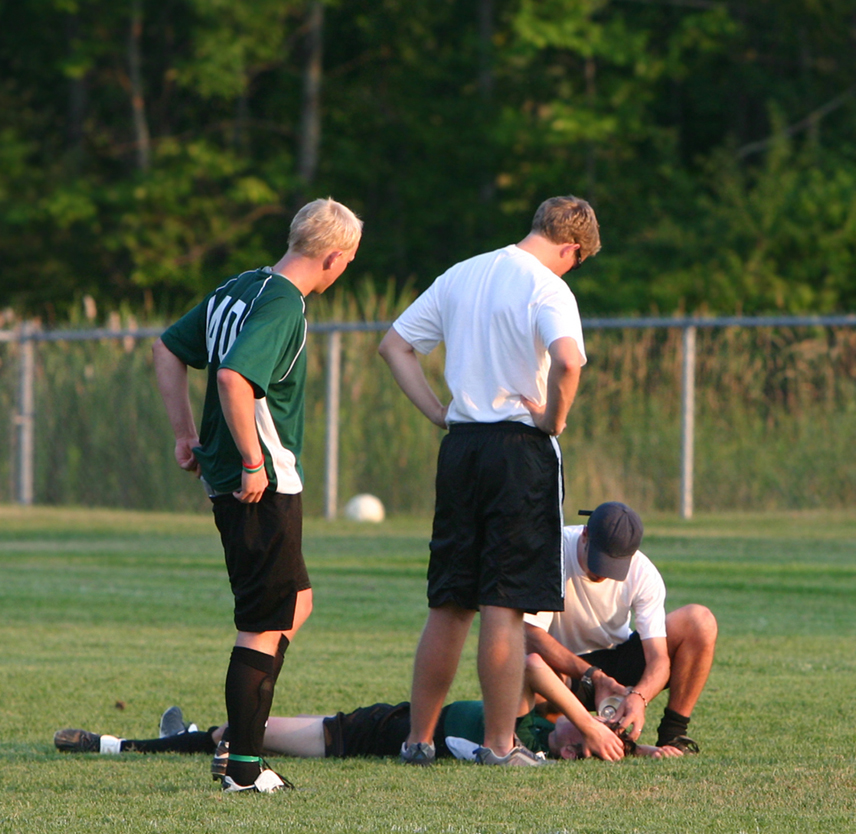
A new University of Michigan study confirms what many hospital emergency rooms nationwide are seeing: Teens playing contact sports suffer from concussions.
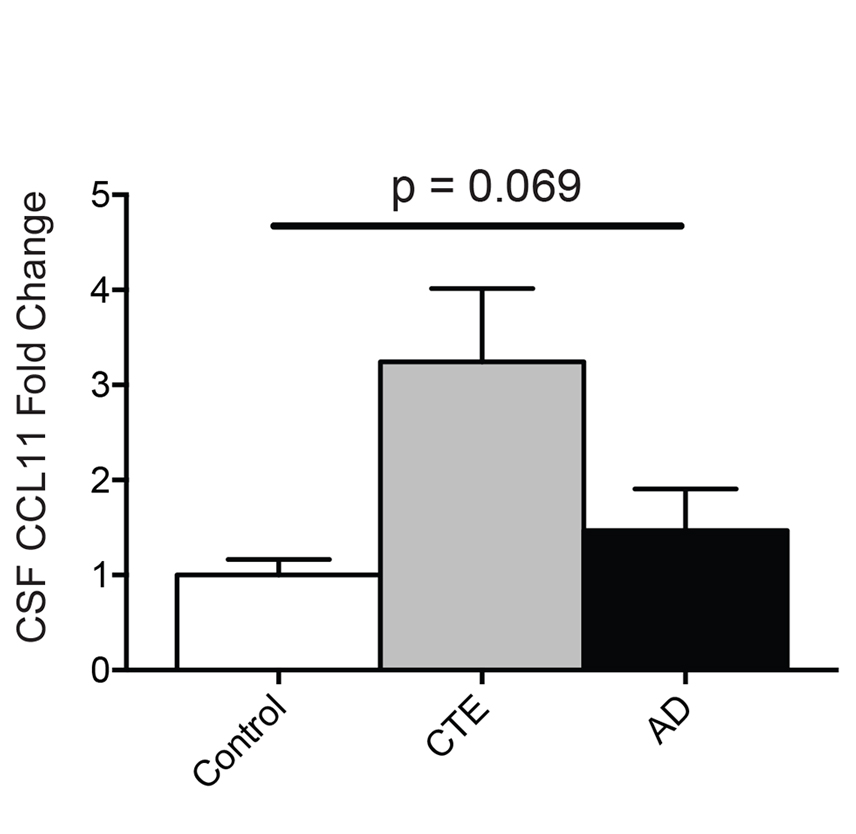
A new biomarker (CCL11) for chronic traumatic encephalopathy (CTE) has been discovered that may allow the disease to be diagnosed during life for the first time.
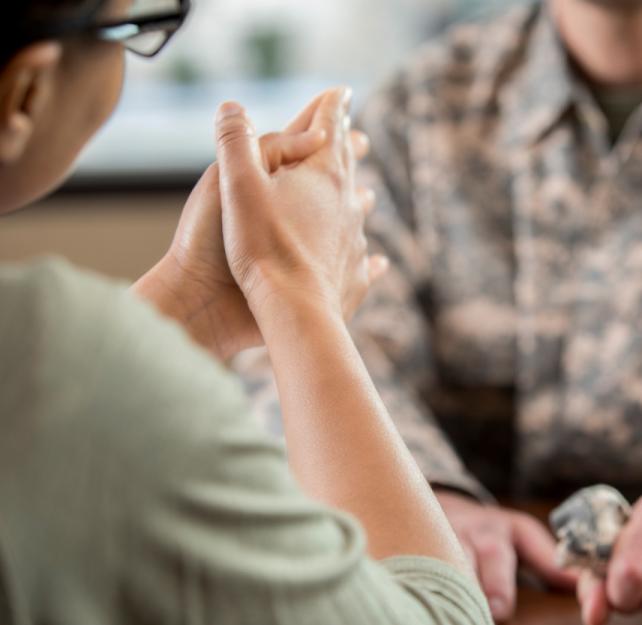
Working with any client can be challenging, but veterans can be especially difficult because of the warrior culture that they are used to. Here what veterans would like their mental health counselor to know before working with them.
When her husband was first home from the hospital, Abby Maslin realized she would have to teach him who he was before he was hurt -- from someone who liked to shower daily to reading the paper on Sunday mornings.
If you’re looking for a complementary health practitioner to help treat a medical problem, it is important to be as careful and thorough in your search as you are when looking for conventional care. Here are some tips to help you in your search.
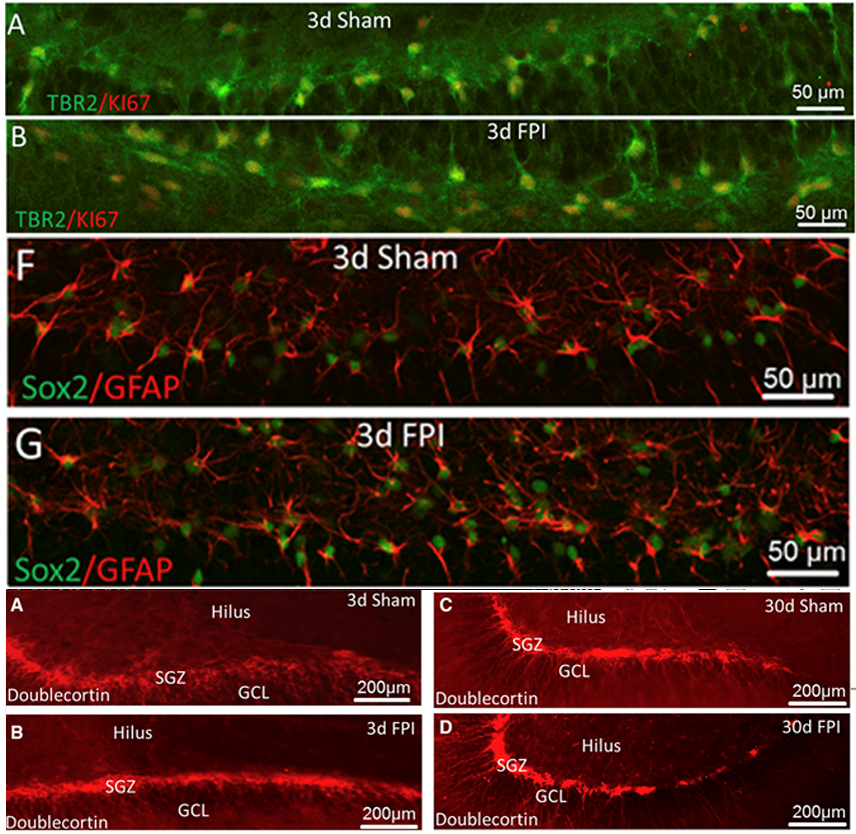
New research challenges the prevailing scientific assumption that, during recovery from head trauma, excessive neurogenesis (birth of new brain cells) is advantageous.
Prolonged Exposure (PE) teaches you to gradually approach trauma-related memories, feelings, and situations that you have been avoiding since your trauma. By confronting these challenges, you can decrease your PTSD symptoms.
I cannot remember the first time I recognized grief for what it was following our son’s traumatic brain injury, but it has come to feel like a familiar acquaintance. These are some coping strategies that have helped me get through to the other side of my own grief.
Study compares abnormal menstrual patterns in adolescents and young women with a sport-related concussion and those with non-head sport-related orthopedic injuries.