Use the filters to browse the information we have available or to narrow your search results for a specific audience (e.g. caregivers, military, children), a preferred type of content (e.g. videos, blogs, articles), or by topics of interest (e.g. family concerns, legal issues, symptoms).
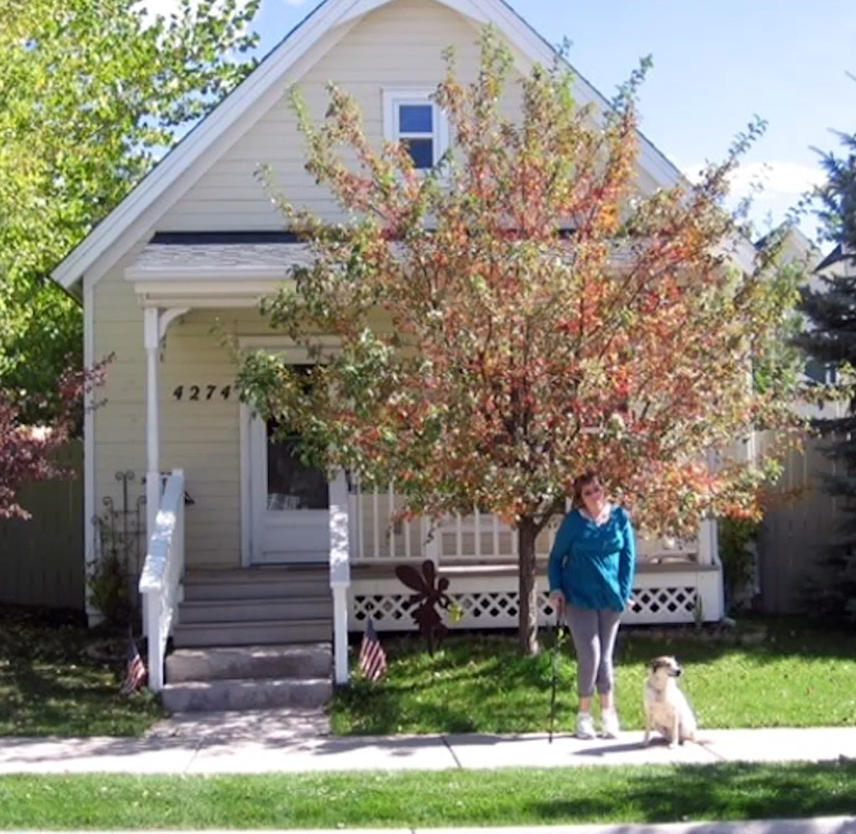
Kara was growing up and thinking about the future. She would tell us, "I want my own life. I want my own house when I grow up." So I began going to conferences that focused on people with disabilities and became intrigued with technology. As Kara grew into young adulthood, technology became the key that would open the door to her independent life.
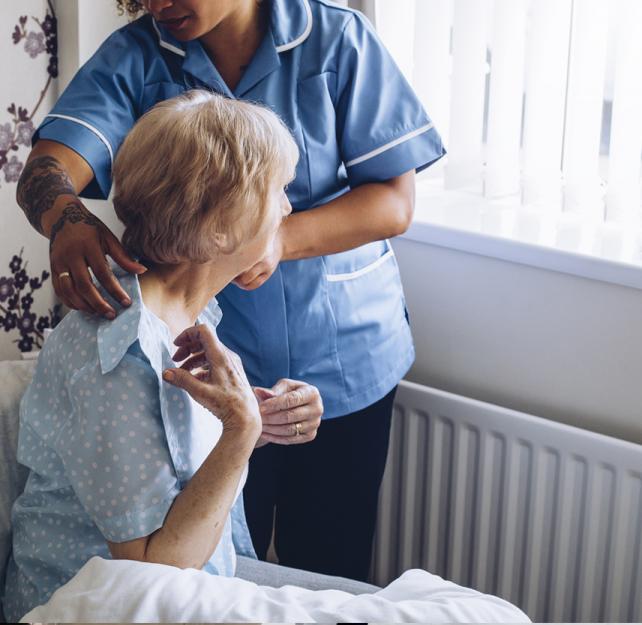
If your survivor is not yet ready for rehabilitation but no longer requires the special care of an acute hospital, your health insurer will no longer pay the hospital bill. In this situation, you have three options: pay the bill yourself if a bed is available, care for your patient at home or place your loved one in a long-term care facility, such as a nursing home, until they are ready for rehabilitation. Given that some nursing homes provide substandard care and most have little expertise in brain injury, this can be a chilling prospect.
Questions to ask about your loved one's rehabilitation program after a moderate to severe brain injury — questions about the rehab program and rehab team, the role of the family in rehab, addressing behavioral problems and cognitive impairments, paying bills, planning for discharge and daily life.
Selecting a rehab facility is a crucial decision. It should not be rushed. There are hundreds of rehabilitation programs. They vary considerably in the philosophy, quality, and variety of the services they offer.
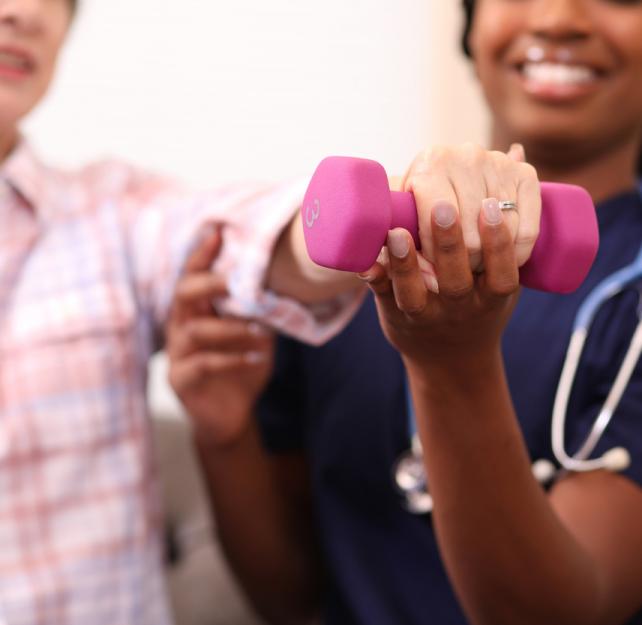
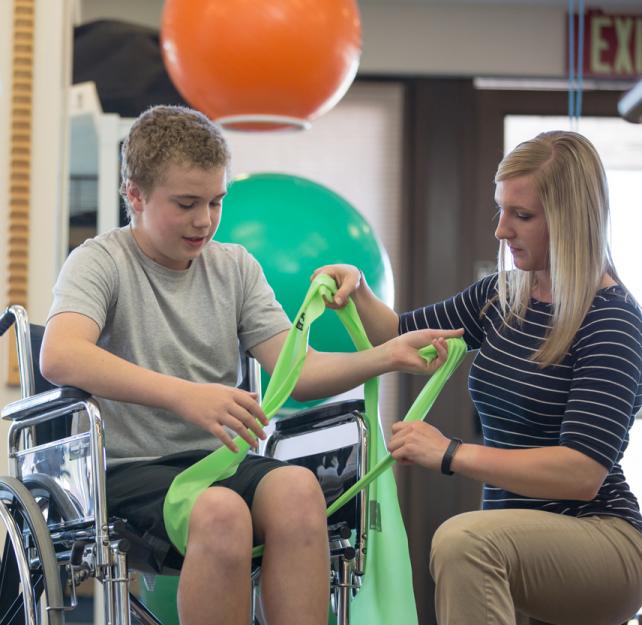
In an ideal world, rehabilitation begins as soon as the survivor is medically stable. No patient should be kept in an acute hospital setting or a nursing home any longer than necessary. Combining the brain’s natural healing process with rehabilitative therapy is crucial to the success of one’s recovery.
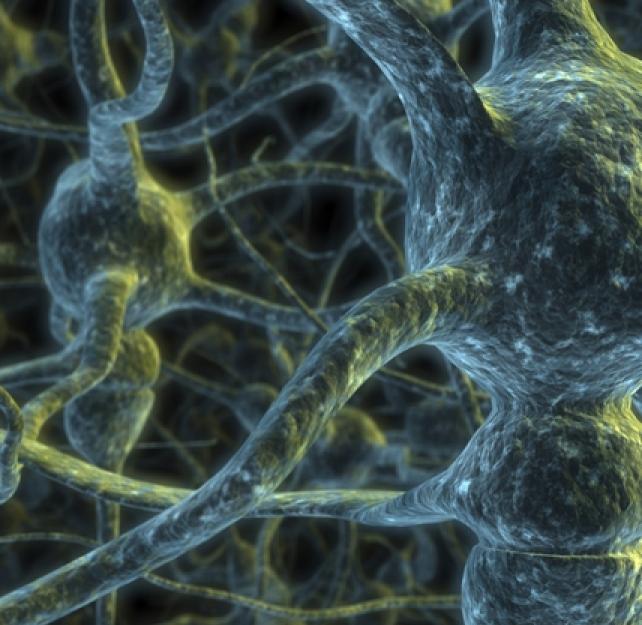
All survivors of a serious brain injury acquire a mix of lifelong impairments, but through hard work, they can regain some abilities lost to their injuries. How is this possible?
Post-traumatic amnesia is a state of awareness survivors pass through on their way from a coma to full consciousness. Many survivors, when they begin rehabilitation, are going through post-traumatic amnesia.
Sometimes, you might not be playing the comparison game as a team sport; it might be a solo venture. You might look at yourself now, and compare yourself to yourself twenty years ago.
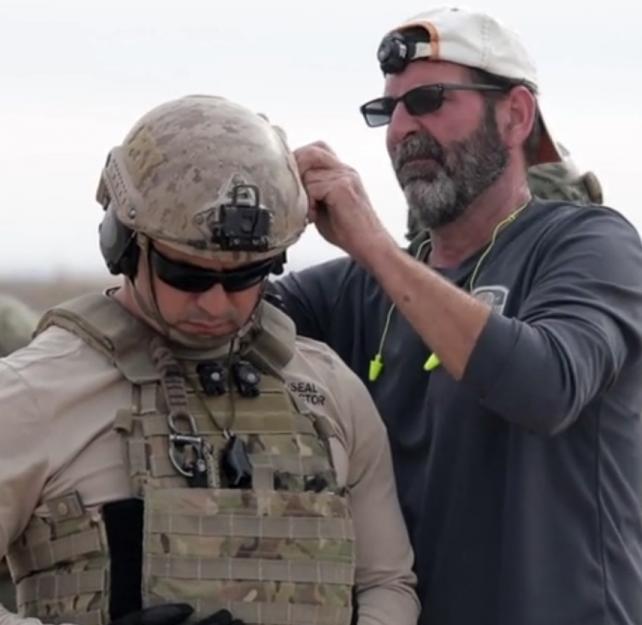
Navy SEALs are working together with Neurotactical Research Team to better understand brain health while experiencing regular blast exposure, either through training or combat.
Scientists at the U.S. Army Research Laboratory are studying the physiological effects of blast pressure on the brain in order to discover technology solutions to protect Soldiers.
In August, we were presented with both high and low points. Our son, Taylor, was able to attempt to return back to work two days a week. Within fifteen days of returning to work, Taylor lost his brain injury service waiver. We had to hope nothing happened. And then…it did.
Early on, I thought that all brain injuries were traumatic. Over time, as I moved through Brain Injury Academy, I learned that there are traumatic brain injuries as well as acquired brain injuries. While the root causes are vastly different, the aftermath is the same. It’s akin to different lyrics set to the same music.
La EP le enseña a acercarse gradualmente a los recuerdos relacionados con su trauma, los sentimientos y las situaciones que ha estado evitando desde su trauma.
Higher TBI prevalence in states with greater levels of private insurance and insurance adequacy may suggest an underrecognition of TBI among children with less access to care.
After the accident, we knew nothing would be the same, but we were not prepared for how strongly our emotions would swing during holidays and changes of seasons.
Momma was told, "You should make arrangements for a nursing home" due to my broken neck and the massive injuries to my brain. Fast-forward eleven years later, and with lots of hard work on my own, with determination, and by never quitting, I now live my life to the fullest that I am able to handle.
Being a survivor takes dedication. From my vantage point, you have to be many things. The first, and perhaps most obvious is that survivorship requires strength. Strength is required no matter what stage of recovery or healing the survivor is in.