Use the filters to browse the information we have available or to narrow your search results for a specific audience (e.g. caregivers, military, children), a preferred type of content (e.g. videos, blogs, articles), or by topics of interest (e.g. family concerns, legal issues, symptoms).
In the military, risk and danger are part of the obstacles to overcome; many veterans, however, see the world as an unsafe place that they need to protect against once they leave the military.
Cognitive-behavioral therapy (CBT), a form of talk therapy, teaches people to reroute their negative thought patterns to improve their mental health. Many Veterans have found that CBT helps them process their trauma. Learn from Veterans who found relief with CBT at VA.
Service members and veterans form intimate bonds with their teammates that will last a lifetime, yet struggle to form or reform intimate relationships with others
Fatique can be a significant issue after brain injury. The PaceMyDay app provides a way to monitor an adjust your energy consumption so you to learn your patterns and adjust your actions so that you can avoid becoming run down or in physical pain.
My verbal and emotional filters were shredded by my injury. I was, well… rather abrupt, unthinking, unfiltered, and a different person than I was before my injury. Did I say something offensive that drove him away?
The guilt and shame that many service members experience related to the loss or injury of someone they served with are contrasted with the appreciation they have for life.
These are difficult times. Life is challenging enough for the fully-abled, but add a traumatic brain injury to the mix, and things can get downright overwhelming.
A paradox is something that seems like there is no way that it could be true. Like the Combat Addiction paradox: I hate war, but I love combat. Both of those things are true, but they seem like they shouldn’t be.
Every year since my 2010 traumatic brain injury, I’ve taken the time to reflect back on changes that have come to pass during the prior year. This past year was no different, although what my reflection showed was not what some may call progress. Progress is not always measured with tangible facts.
A stroke is when the blood supply to part of your brain is cut off. In this animation we explain what a stroke is and the risk factors associated with having one.
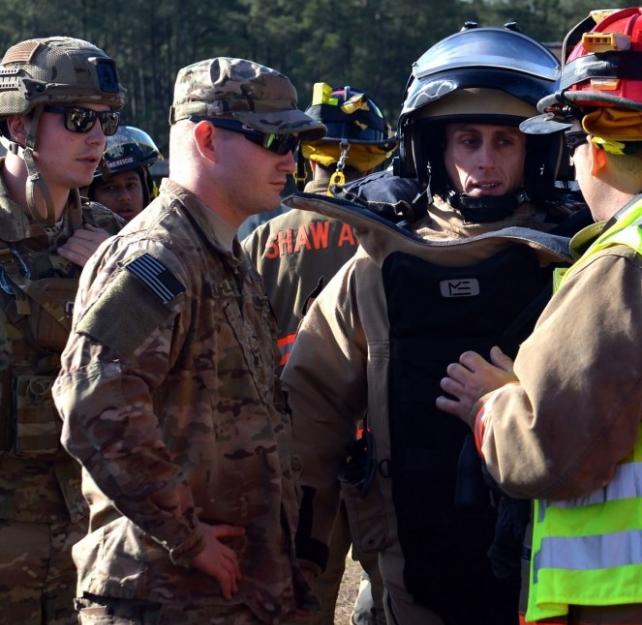
Members of the medical community literally take their lives in their hands every day they go to work. It’s hard not to feel a bit humbled by that courage. My first face-to-face encounter with First Responders was just over a decade ago. In November of 2010 fate saw fit that most of the First Responders from our Main Street Fire Station and I would meet.
Dr. Ann McKee, Director of the VA-BU-CLF Brain Bank, explains what CTE is, what causes it, how it spreads, its symptoms, and how the disease is diagnosed.