Use the filters to browse the information we have available or to narrow your search results for a specific audience (e.g. caregivers, military, children), a preferred type of content (e.g. videos, blogs, articles), or by topics of interest (e.g. family concerns, legal issues, symptoms).
Free, personalized brain injury wallet identification card designed to help police, emergency personnel, and others more easily identify brain injury survivors, and insure that they are treated appropriately, and provided support as needed.
Stephen Hawking, a world-renowned scientist who recently passed away, had a brilliant mind that was trapped inside a paralyzed body, and I could not stop thinking about how the opposite is often the case with traumatic brain injury.
Many primary care physicians don't believe they are the right person to provide care for a person with a brain injury. Dr. David Arciniegas explains why this is not true.
People with brain injury may have other health problems and memory problems affect their ability to manage their health. Two experts share strategies for managing these scenarios.
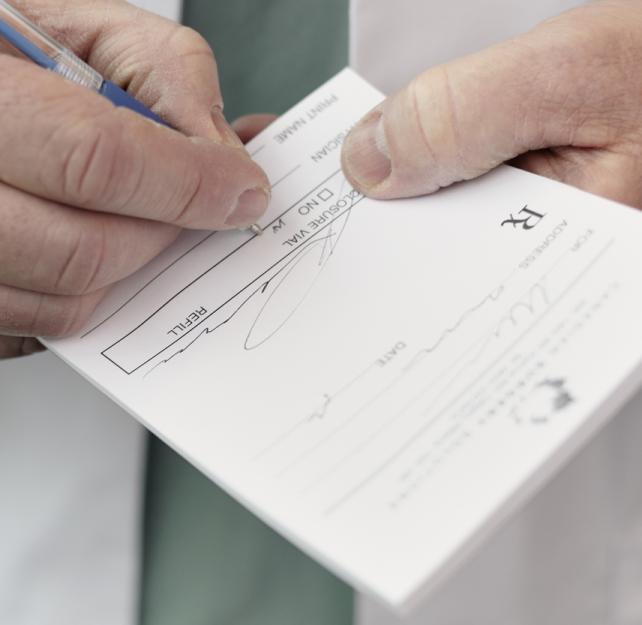
In addition to the strategies that people can use to help improve memory function after brain injury, there are some medical treatments that may be able to help as well.
How do we get to new places within ourselves? And how do we bring our survivors to the places that seem impossible? For the climber, it is not always about reaching the top. Sometimes, it is just about the climb.
Research shows that victims of domestic violence suffer brain injuries similar to those of football players. Experts are looking at ways to address this silent epidemic.
Jason Cowper and Tonya Howell share their stories of coming to terms with changes in their memory, and strategies they use to compensate for these changes.
When my husband suffered a catastrophic brain injury at age 29, I rarely appreciated being told that God had a plan for us. I certainly didn’t want to be coached to keep my eye on the prize or to search for those silver linings. I wanted to cry out in pain and to sit in it for a moment. I simply wanted it to be what it was: hard. And I wanted that to be OK with everyone else too.
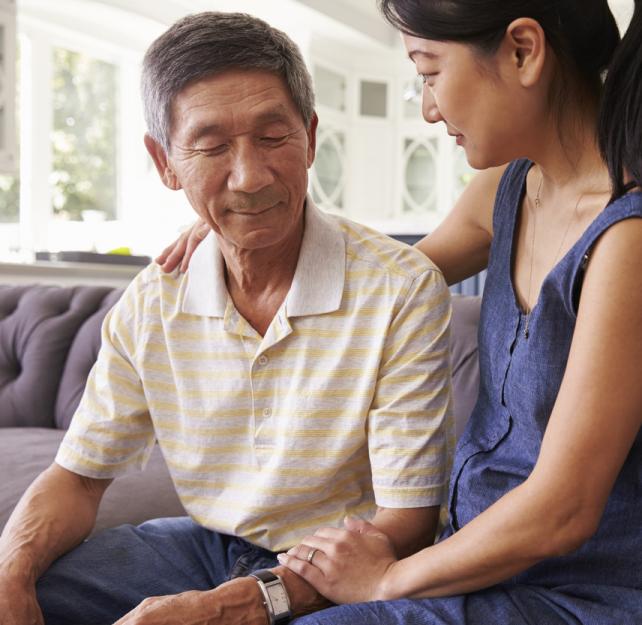
To be a caregiver at home for someone who is severely injured is to surrender. You surrender your time, put your ambitions on hold, and surrender many of the simple pleasures. You also surrender your peace of mind, your good night’s sleep, and routine. But there are ways to make life a little easier and more enjoyable...
Faced with a condition for which mainstream medicine has no satisfactory treatment, what should a reasonable and prudent person do? Accept the dismal verdict or cautiously explore alternatives?
Brain injury affects the roots of who we are — our ability to think, communicate, and connect with other people. Here's a good place to start learning.
My son’s brain injury has taught me over and over again that I often have little control over life’s circumstances. But that does not mean I throw caution to the wind. Here are a few things we've learned regarding legalities and Taylor's ongoing care and future.