Use the filters to browse the information we have available or to narrow your search results for a specific audience (e.g. caregivers, military, children), a preferred type of content (e.g. videos, blogs, articles), or by topics of interest (e.g. family concerns, legal issues, symptoms).
When a person sustains a brain injury, they and their family are thrust into a health care system that is unfamiliar and difficult to navigate. Too often, patients do not have access to the full continuum of treatment. This article addresses why that is so and ways to change it.
The losses due to a brain injury are “moving targets” which continue to change over a long period of time: thus the losses are “mobile.” The injured individual and their family can't fully grieve lost abilities because there is no way to know which abilities are lost forever and which will eventually return.
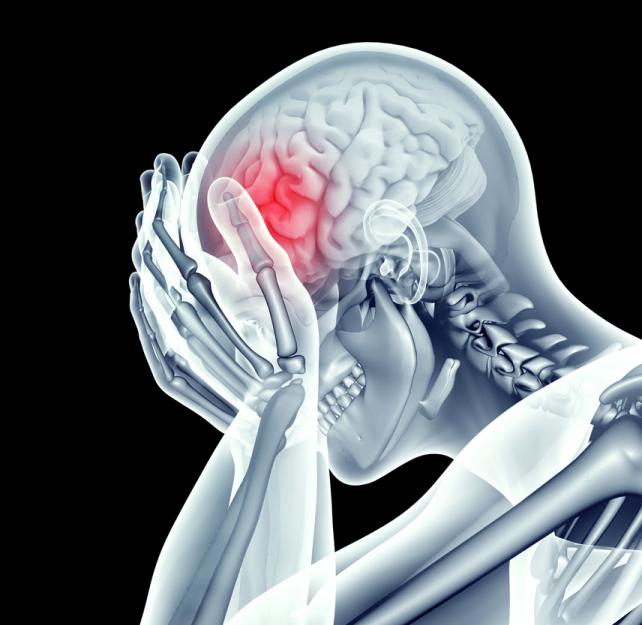
A jolt to your head also causes a jolt to your neck, headaches with neck pain are the most common types of pain after a TBI. About 50% of people with a TBI suffer from headaches.
Our minds are both a beautiful and cruel playground, brain injured or not. Be careful about what you let on that playground, and when your thoughts seem to lean severely in a negative direction, recognize that in painful times, we sometimes think and believe things that are untrue
Dr. Emilie Godwin talks about the difference it can make when a family realizes the changes they are going through after a brain injury are not unusual.
Dr. Jeffrey Kreutzer talks about why it's important to talk openly with people affected by brain injury about emotional and psychological recovery in addition to medical and physical recovery.
When it comes to brain injury, it's difficult to make predictions about a person's recovery. This uncertainty, unfortunately, creates a lot of anxiety for families.
There is a process that survivors go through while adjusting to their injury. Dr. Kreutzer explains what this is like from the survivor's point of view.