Use the filters to browse the information we have available or to narrow your search results for a specific audience (e.g. caregivers, military, children), a preferred type of content (e.g. videos, blogs, articles), or by topics of interest (e.g. family concerns, legal issues, symptoms).
Dr. Anthony Panettiere says that sleep problems after TBI and/or PTSD are common including difficulty falling asleep, staying asleep, waking up too early, nightmares, and sleep apnea.
"You can't sacrifice sleep for a protracted period of time and get away with it," says Dr. Anthony Panettiere. Extended lack of sleep can increase mood problems, risk of accidents, and sometimes cause medical issues like heart disease and dementia.
Neurologist and sleep medicine physician Anthony Panettiere talks about how catching up on sleep can be a good fix, but not as a regular way of balancing sleep and awake hours.
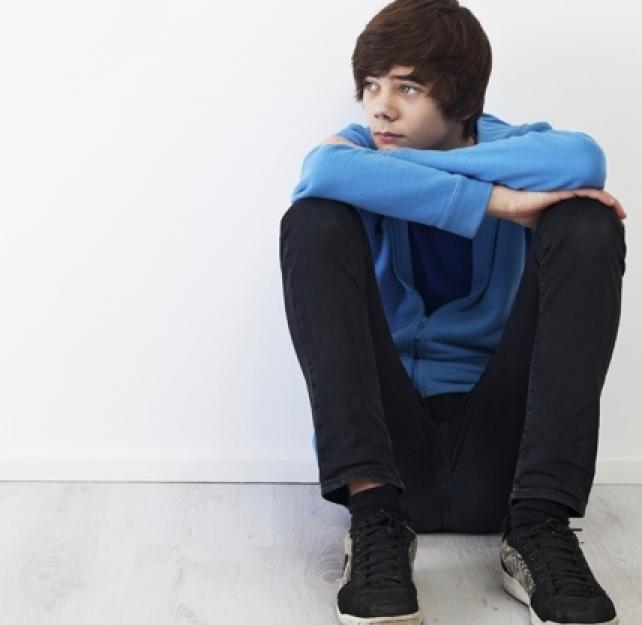
For an teenager with TBI, losing friends is devastating. Dr. Mariann Young talks about how she works with injured teens as well as their friends to help them deal with the changes that come with a brain injury.
For teens with TBI, the process going through the stages of normal development is disrupted or forever altered. Dr. Mariann Young talks about how to help teens and their parents navigate adolescence.
Clinical psychologist Mariann Young talks about the importance of being in a safe group like a support group or a Special Olympics team to help build confidence post-TBI.
Dr. Mariann Young talks about the importance of educating adolescents with TBI about sex when they are ready to hear it and understand that issues of sexuality and intimacy are not black and white.
Clinical psychologist Mariann Young talks about how parents need to let their injured adolescent still be an adolescent while setting limits and creating a structure to keep the child safe.
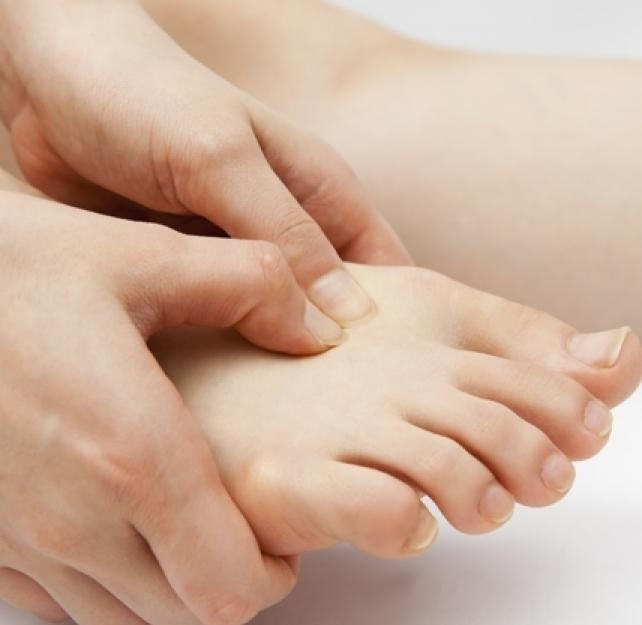
More than 50 percent of people suffer from chronic pain disorders in the years following a brain injury. Getting the right treatment can be complex, but doable.