Use the filters to browse the information we have available or to narrow your search results for a specific audience (e.g. caregivers, military, children), a preferred type of content (e.g. videos, blogs, articles), or by topics of interest (e.g. family concerns, legal issues, symptoms).
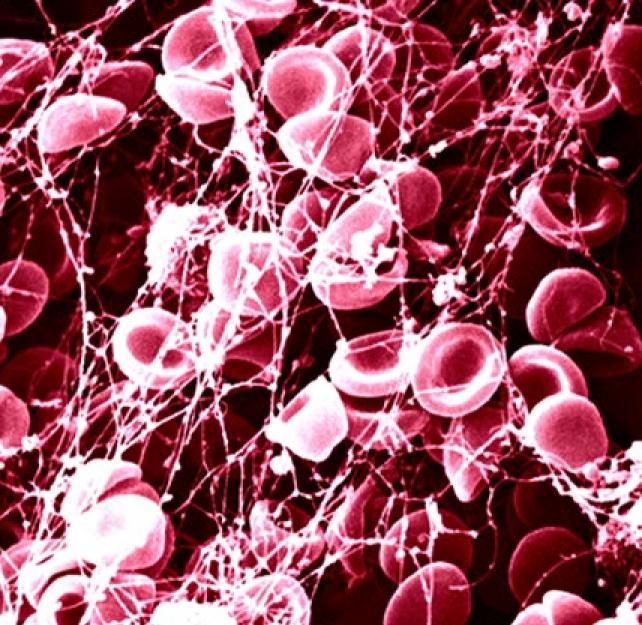
“Regular exercise bathes the brain in a protein called brain-derived neurotrophic factor, or BDNF. This specific protein has been shown to speed brain injury recovery.” That was all it took to fuel my hunger to learn more about BDNF...
A few weeks ago, I had the opportunity to share with a group of caregivers and survivors at a rehab. From the moment they entered the gym, I sensed their exceptional spirits. This was not surprising, as I have discovered the brain injury community to be comprised of the finest people you will ever encounter.
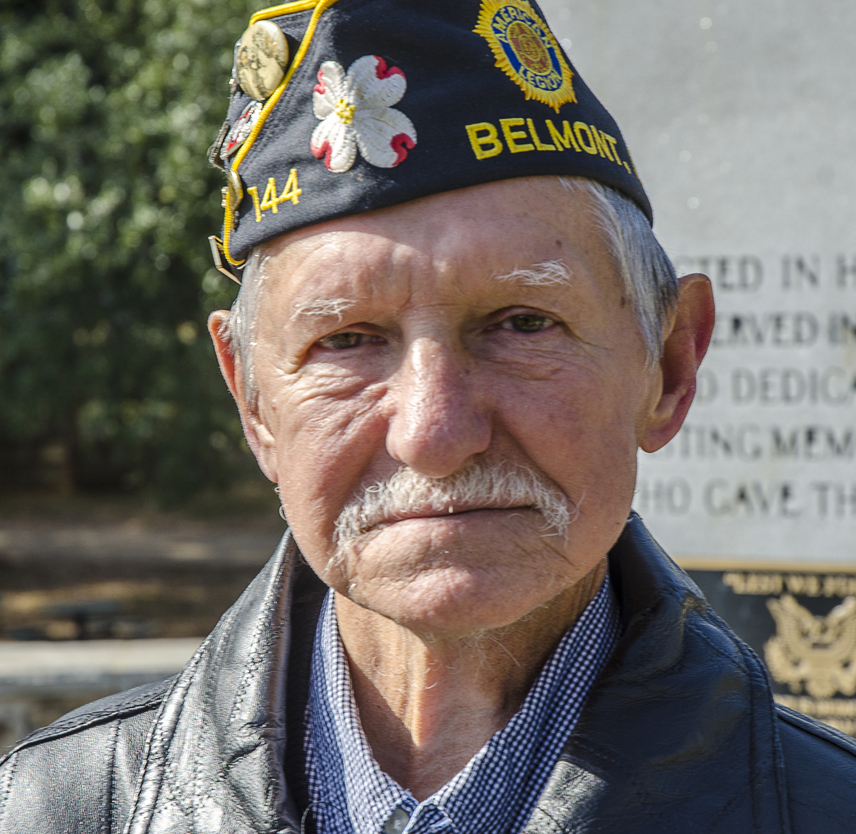
In this cohort study of more than 350 000 veterans, even mild TBI without LOC was associated with more than a 2-fold increase in the risk of dementia diagnosis.
Recently, some friends asked me to join them at a local bar for a monthly get together. I chose to decline because I try to avoid situations that make me feel brain-injured.
Shortly after my injury, I heard someone describe life after brain injury as “the new normal.” Frankly, I could not stand that phrase. There was nothing normal about my life during those difficult early years after my injury.
Over the past decade, as smartphones, tablets, and all their millions of apps have emerged, opportunities to use these tools have mushroomed. Here are a few examples of the way mobile technologies have helped my clients with brain injury.
It’s time for a deep and personal confession. As my path of recovery continues to move forward, I have been consumed by guilt. In what amounts to a bit of irony, I’m experiencing survivor guilt.
Free, personalized brain injury wallet identification card designed to help police, emergency personnel, and others more easily identify brain injury survivors, and insure that they are treated appropriately, and provided support as needed.
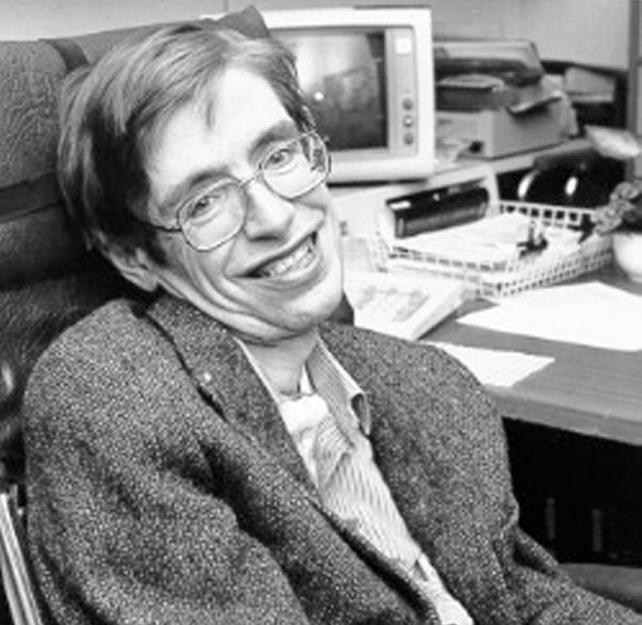
Stephen Hawking, a world-renowned scientist who recently passed away, had a brilliant mind that was trapped inside a paralyzed body, and I could not stop thinking about how the opposite is often the case with traumatic brain injury.
Many primary care physicians don't believe they are the right person to provide care for a person with a brain injury. Dr. David Arciniegas explains why this is not true.
People with brain injury may have other health problems and memory problems affect their ability to manage their health. Two experts share strategies for managing these scenarios.
In addition to the strategies that people can use to help improve memory function after brain injury, there are some medical treatments that may be able to help as well.
Research shows that victims of domestic violence suffer brain injuries similar to those of football players. Experts are looking at ways to address this silent epidemic.
Jason Cowper and Tonya Howell share their stories of coming to terms with changes in their memory, and strategies they use to compensate for these changes.
We've all got it, that inner voice that constantly narrates our lives. It is simply part of being human. But as many of us know, brain injury can complicate things. Gone can be the ability to know intuitively when and how to handle things. Without warning, our inner narrator takes on a new power.