Why Collision and Concussion Are Sports’ Twin Dangers

The Washington Post

The life of a top professional athlete involves hard training, plenty of stress, career-threatening injuries and no shortage of money. But now, some high-profile figures -- think Indianapolis Colts quarterback Andrew Luck and Wales rugby union captain Sam Warburton -- have decided at a relatively early age that the glory and the lucre no longer outweigh the pain. The issue of long-lasting injuries, particularly concussion and its ramifications, looms ever larger for anyone looking to take up a contact sport, either as an amateur or a pro. It’s a growing concern for high schools and parents, not to mention the sports leagues that are facing legal suits.

Posted on BrainLine November 4, 2019.

First responders struggle with PTSD caused by the emergencies, deaths, tragedies they face every day

The Washington Post

In the nation’s firehouses, hospitals, call centers and police stations, many first responders are struggling with PTSD wrought by both the everyday deaths and tragedies encountered on the job and a national epidemic of mass shootings, from Sandy Hook and Florida’s Marjory Stoneman Douglas High School to a Walmart in El Paso, a bar in Dayton, Ohio, and a garlic festival in Gilroy, Calif.

Posted on BrainLine October 28, 2019.

Dispositional optimism and cognitive functioning following traumatic brain injury

balloons with smiley faces

The association of dispositional optimism with health-related factors has been well established in several clinical populations, but little is known about the role of optimism in recovery after traumatic brain injury (TBI). Given the high prevalence of cognitive complaints after TBI, the present study examined the association between optimism and cognitive functioning after TBI.

Health Problems Precede Traumatic Brain Injury in Older Adults

older woman talking with a doctor

Traumatic brain injury (TBI) is a leading cause of death and disability. Older adults are more likely than younger individuals to sustain TBIs and less likely to survive them. TBI has been called the “silent epidemic,” and older adults are the “silent population” within this epidemic. This study evaluates whether indicators of preinjury health and functioning are associated with risk of incident traumatic brain injury (TBI) with loss of consciousness (LOC) and to evaluate health‐related factors associated with mortality in individuals with incident TBI.

Concussion in American Versus European Professional Soccer: A Decade-Long Comparative Analysis of Incidence, Return to Play, Performance, and Longevity

soccer ball on field

A study to comparatively examine the effects of sports-related concussions (SRC) on athletes in Major League Soccer (MLS) and the English Premier League (EPL) in terms of incidence, return to play (RTP), performance, and career longevity.

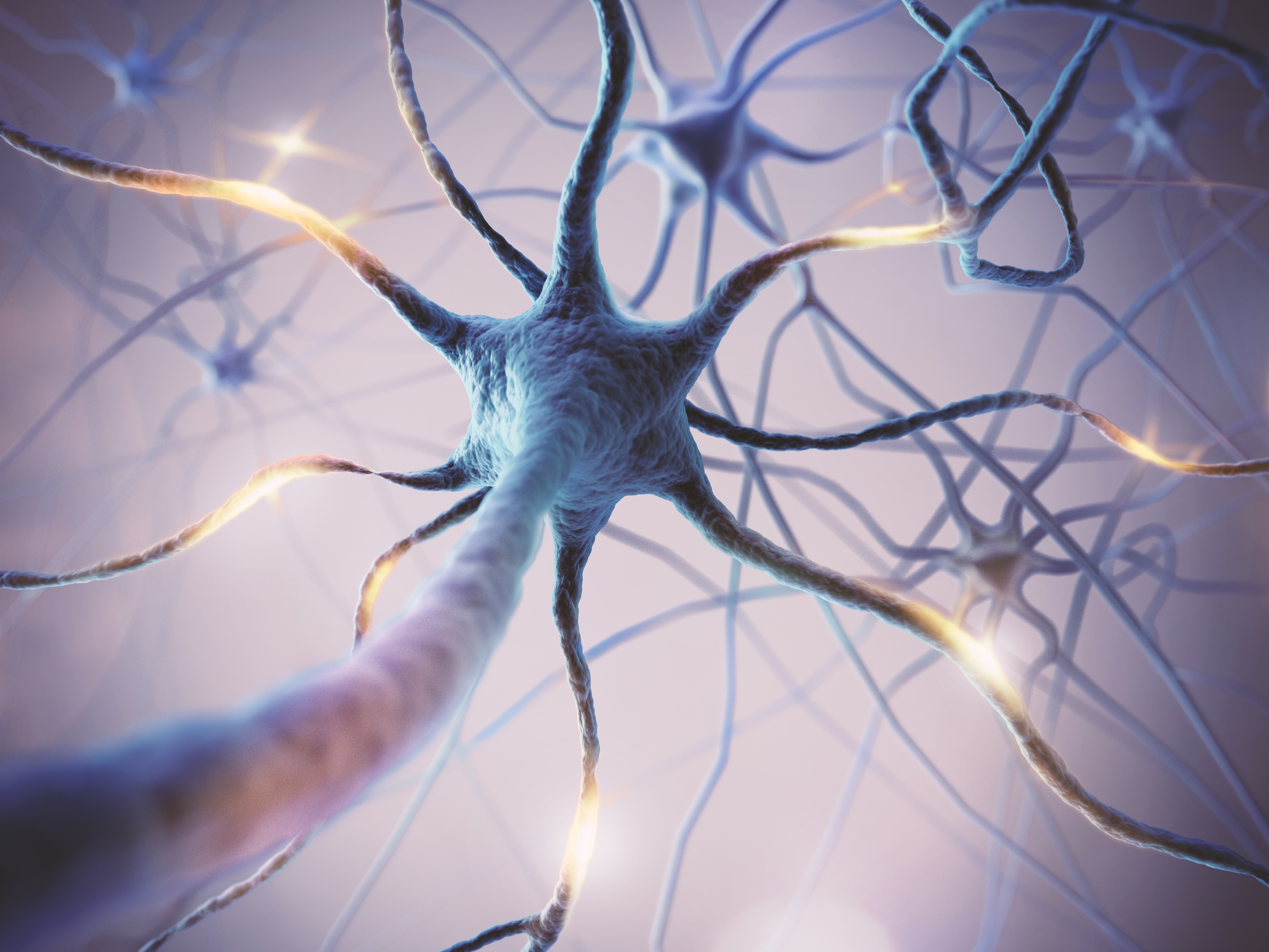
The chronic and evolving neurological consequences of traumatic brain injury

graphic representation of a neuron

Traumatic brain injury (TBI) can have lifelong and dynamic effects on health and wellbeing. Research on the longterm consequences emphasises that, for many patients, TBI should be conceptualised as a chronic health condition. Evidence suggests that functional outcomes after TBI can show improvement or deterioration up to two decades after injury, and rates of all-cause mortality remain elevated for many years. Furthermore, TBI represents a risk factor for a variety of neurological illnesses, including epilepsy, stroke, and neurodegenerative disease. With respect to neurodegeneration after TBI, post-mortem studies on the long-term neuropathology after injury have identified complex persisting and evolving abnormalities best described as polypathology, which includes chronic traumatic encephalopathy. Despite growing awareness of the lifelong consequences of TBI, substantial gaps in research exist. Improvements are therefore needed in understanding chronic pathologies and their implications for survivors of TBI, which could inform long-term health management in this sizeable patient population.

Risk of Repeat Concussion Among Patients Diagnosed at a Pediatric Care Network

kid looking at doctor who is holding up two fingers

Concussion is a common childhood injury that may lead to long-term physical, behavioral, and neurocognitive effects, affecting learning and school performance. There is increasing concern about the potential for repeat concussions among professional and high school athletes, with specific attention focused on understanding how sustaining a concussion alters future concussion risk. Addressing repeat concussion risk among youth has substantial implications for clinical practice in terms of managing exposure — particularly regarding youth sports participation — and long-term health and development.

Pages