Use the filters to browse the information we have available or to narrow your search results for a specific audience (e.g. caregivers, military, children), a preferred type of content (e.g. videos, blogs, articles), or by topics of interest (e.g. family concerns, legal issues, symptoms).
Experiencing three or more concussions is linked with worsened brain function in later life, according to major new research. The study – the largest of its kind - also found having just one moderate-to-severe concussion, or traumatic brain injury (TBI), can have a long-term impact on brain function, including memory.
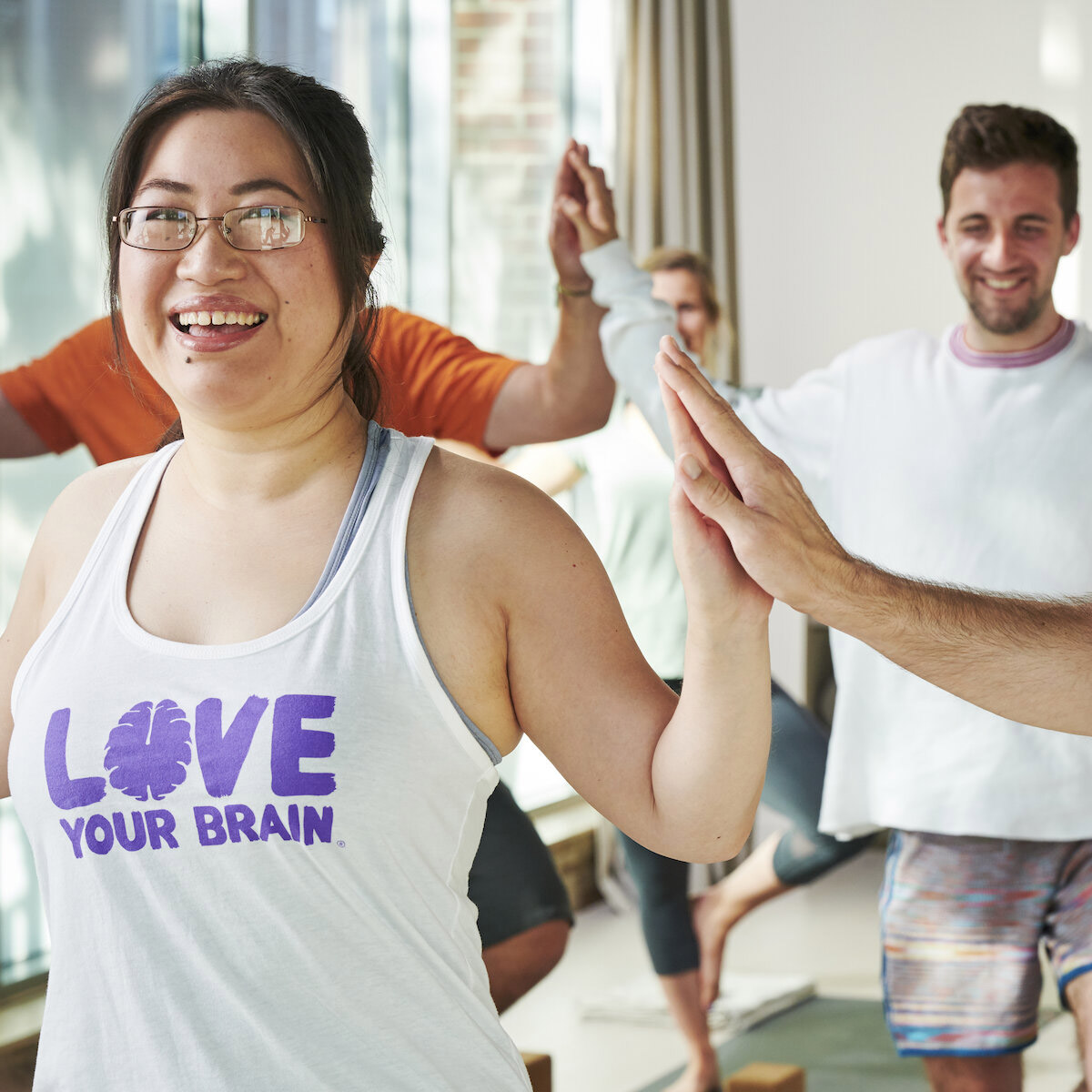
LoveYourBrain Retreats is a novel, free, five-day multimodal program designed to benefit people with traumatic brain injury (TBI) and their caregivers. This study showed the integration of mindfulness, gentle yoga, brain health nutrition, art therapy, and community is an effective rehabilitation model to improve quality of life and has significant potential for expanding access to complementary therapy after TBI.
State-level resources and supports have a small but significant impact on outcomes following serious TBI. Better Long-Term Services and Supports increase community participation and life satisfaction.
A new study published in Neurology dispels the notion that "mild" concussions have no lasting impact on mental skills like thinking, remembering, and learning. Poor cognitive outcomes are common 1 year after injury.
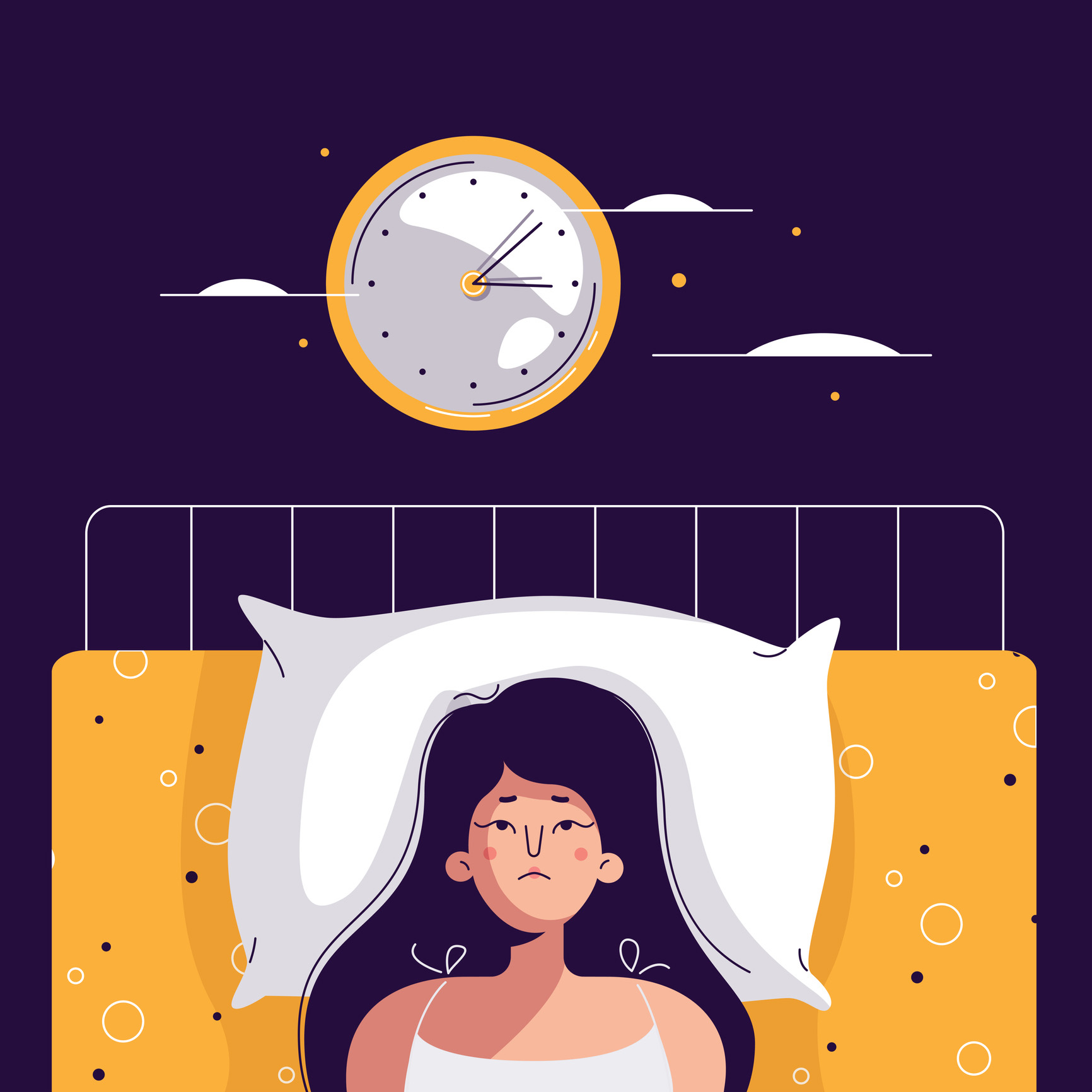
What is the natural history of insomnia in the 12 months after traumatic brain injury (TBI)? In the analysis of over 2,000 adults from a large cohort study, insomnia was common during the 12 months after TBI and should be assessed early in recovery.
Intimate partner violence (IPV) affects up to 1 in 3 women over their lifetime and has intensified during the COVID-19 pandemic. Although most injuries are to the head, face, and neck, the intersection of IPV and brain injury (BI) remains largely unrecognized. This article reports on unexplored COVID-19–related impacts on service providers and women survivors of IPV/BI.
Homelessness is a global public health concern, and traumatic brain injury (TBI) could represent an underappreciated factor in the health trajectories of homeless and marginally housed individuals. We aimed to evaluate the lifetime prevalence of TBI in this population, and to summarise findings on TBI incidence and the association between TBI and health-related or functioning-related outcomes.
The association of dispositional optimism with health-related factors has been well established in several clinical populations, but little is known about the role of optimism in recovery after traumatic brain injury (TBI). Given the high prevalence of cognitive complaints after TBI, the present study examined the association between optimism and cognitive functioning after TBI.
Traumatic brain injury (TBI) is a leading cause of death and disability. Older adults are more likely than younger individuals to sustain TBIs and less likely to survive them. TBI has been called the “silent epidemic,” and older adults are the “silent population” within this epidemic. This study evaluates whether indicators of preinjury health and functioning are associated with risk of incident traumatic brain injury (TBI) with loss of consciousness (LOC) and to evaluate health‐related factors associated with mortality in individuals with incident TBI.
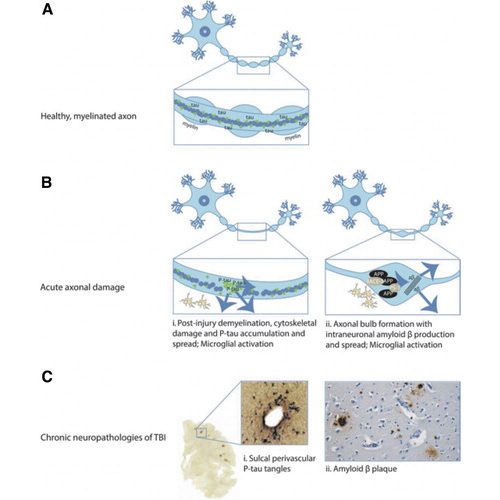
Traumatic brain injury (TBI) can have lifelong and dynamic effects on health and wellbeing. Research on the longterm consequences emphasises that, for many patients, TBI should be conceptualised as a chronic health condition. Evidence suggests that functional outcomes after TBI can show improvement or deterioration up to two decades after injury, and rates of all-cause mortality remain elevated for many years. Furthermore, TBI represents a risk factor for a variety of neurological illnesses, including epilepsy, stroke, and neurodegenerative disease. With respect to neurodegeneration after TBI, post-mortem studies on the long-term neuropathology after injury have identified complex persisting and evolving abnormalities best described as polypathology, which includes chronic traumatic encephalopathy. Despite growing awareness of the lifelong consequences of TBI, substantial gaps in research exist. Improvements are therefore needed in understanding chronic pathologies and their implications for survivors of TBI, which could inform long-term health management in this sizeable patient population.
Improved mood, cardiovascular fitness, and increased self-esteem are some of the main reasons people with a brain injury should partake in regular exercise.