Use the filters to browse the information we have available or to narrow your search results for a specific audience (e.g. caregivers, military, children), a preferred type of content (e.g. videos, blogs, articles), or by topics of interest (e.g. family concerns, legal issues, symptoms).
Over the last few years, the phrase "lived experience" has been gaining traction within the brain injury community. Early on after my injury, for many years in fact, I really didn't fully understand how much my injury would affect my daily life. As the years passed, I began to better understand what it meant to navigate life with an invisible disability.
Disorders of consciousness after severe brain injury exist on a continuum—from coma to unresponsive wakefulness syndrome (vegetative state) to minimally conscious state (MCS) and post‑traumatic confusional state.
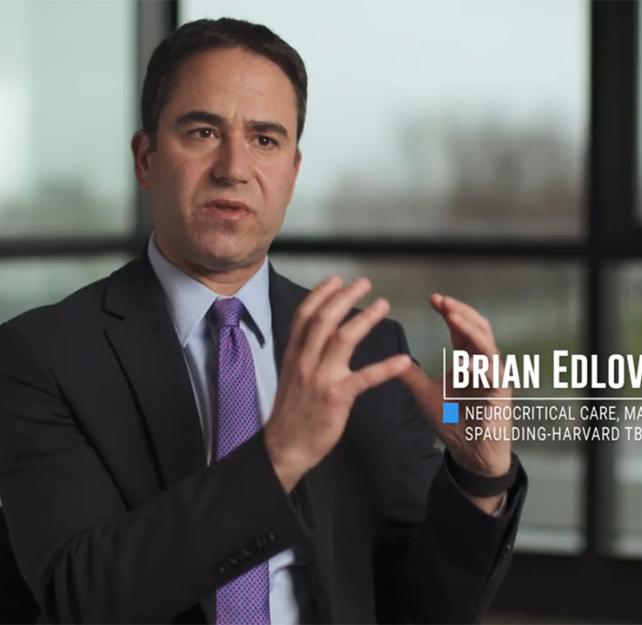
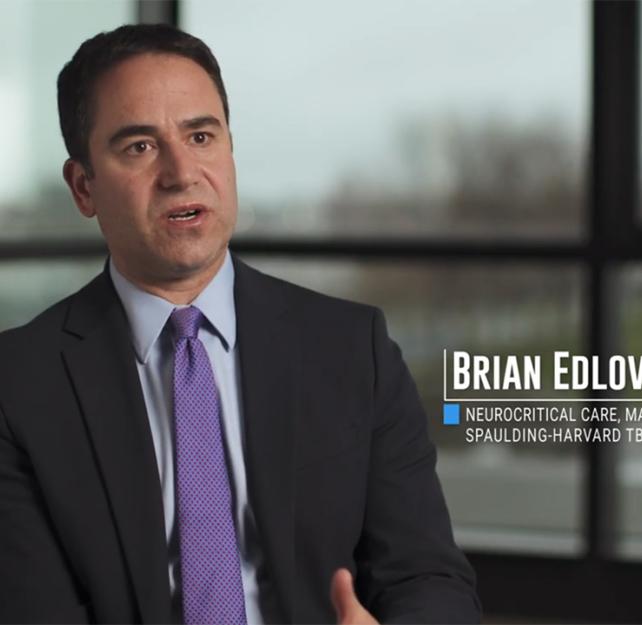
In this video, Brian Edlow, MD, explains how families and clinicians work together to make decisions about life‑sustaining treatment for people with disorders of consciousness.
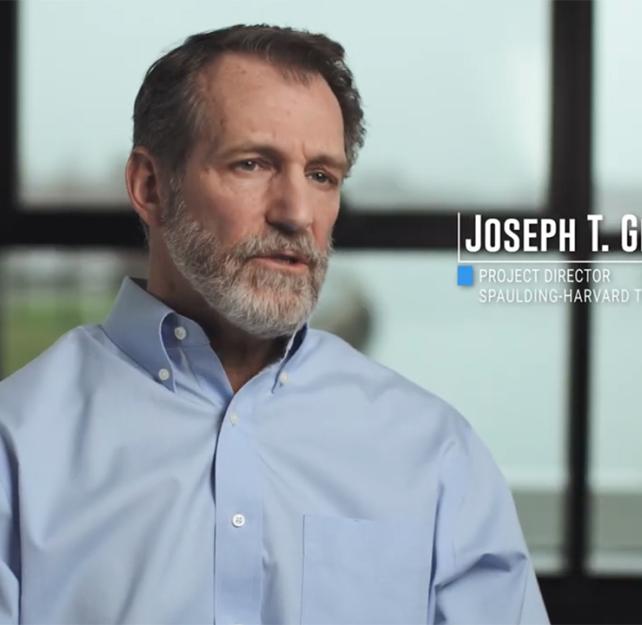
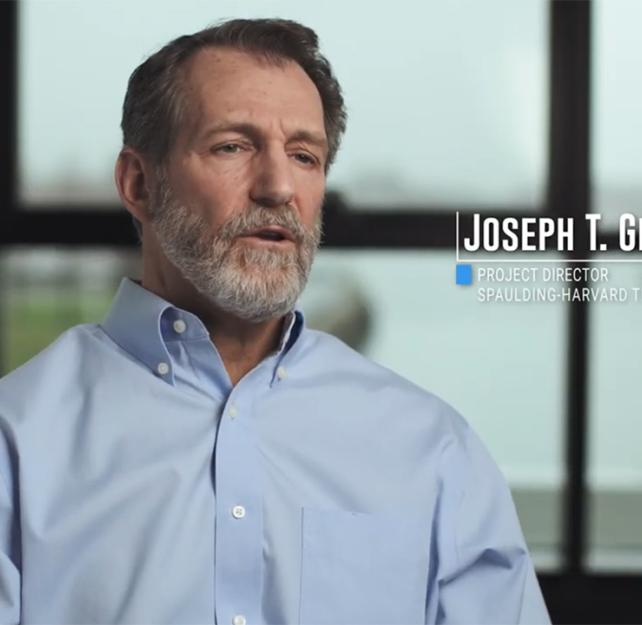
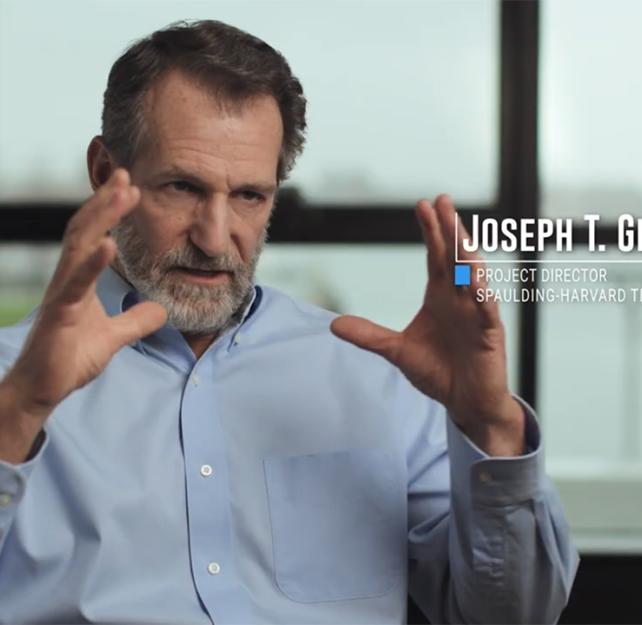
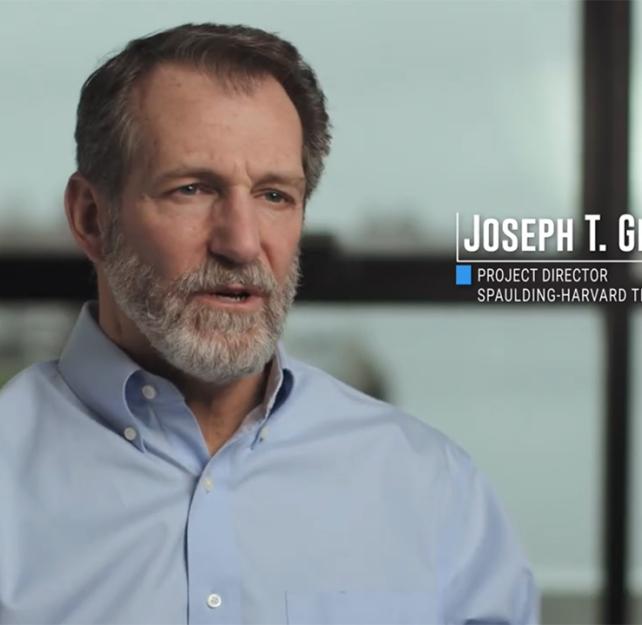
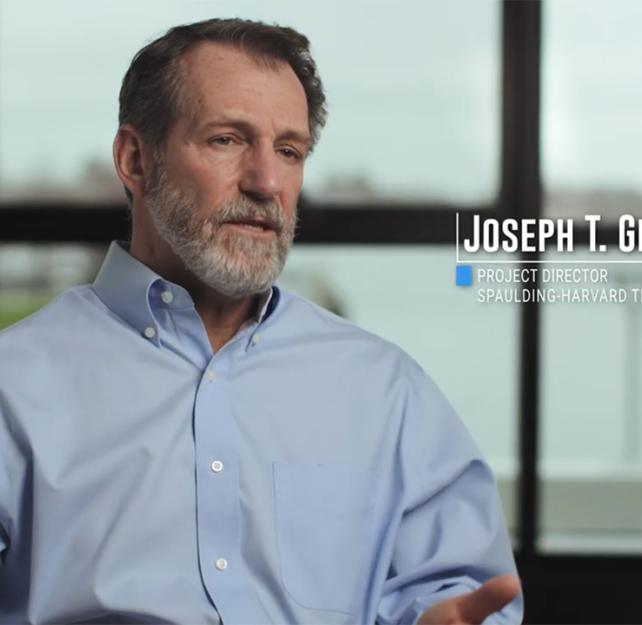
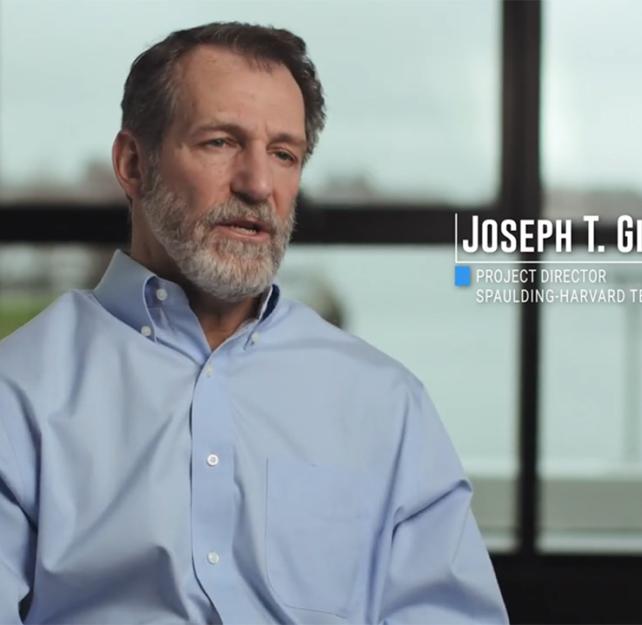
In this video, Joseph Giacino, PhD, challenges common misconceptions about recovery after severe brain injury and prolonged disorders of consciousness.
In this video, Brian Edlow, MD, discusses what current research can—and cannot—tell us about predicting recovery after severe traumatic brain injury (TBI).
In this video, Joseph Giacino, PhD, explains why integrated care across the ICU and rehabilitation settings is essential for improving outcomes for people with disorders of consciousness.
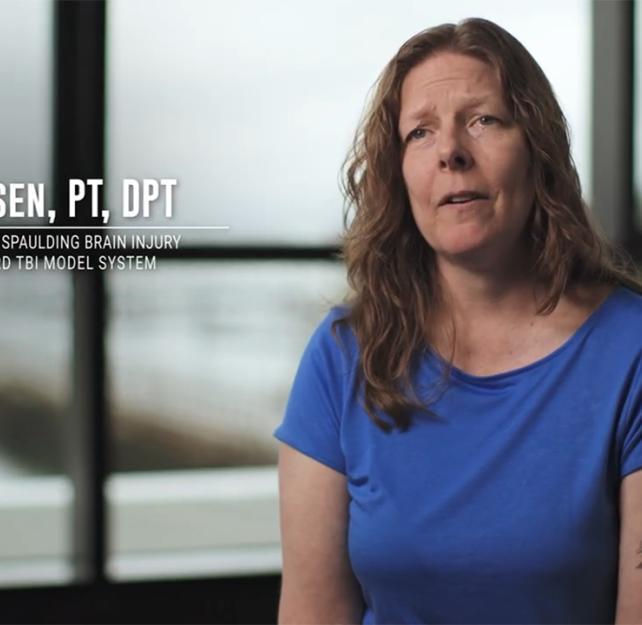
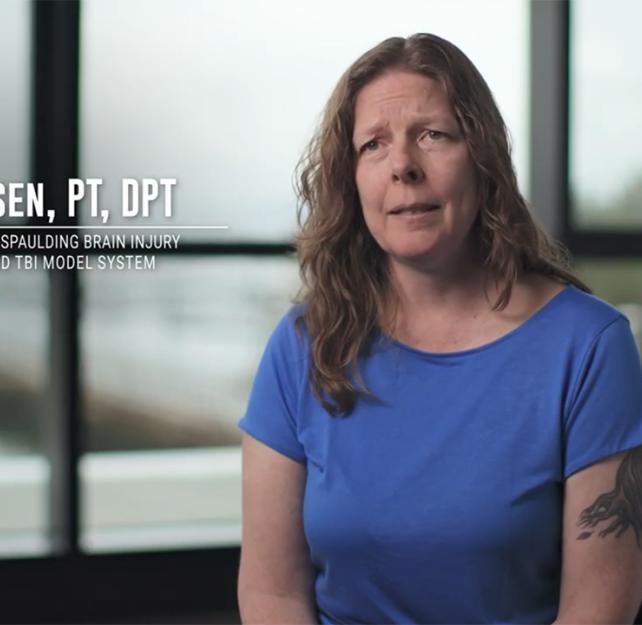
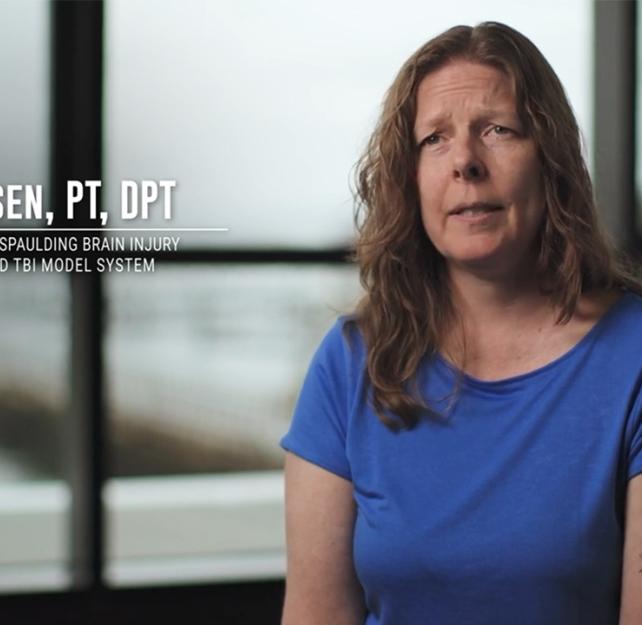
In this video, Beth Hansen, PT, DPT, explains how rehabilitation teams assess pain, stress, and tolerance during therapy for people with disorders of consciousness.
In this video, Beth Hansen, PT, DPT, explains how rehabilitation teams support communication as patients begin to emerge from a disorder of consciousness.
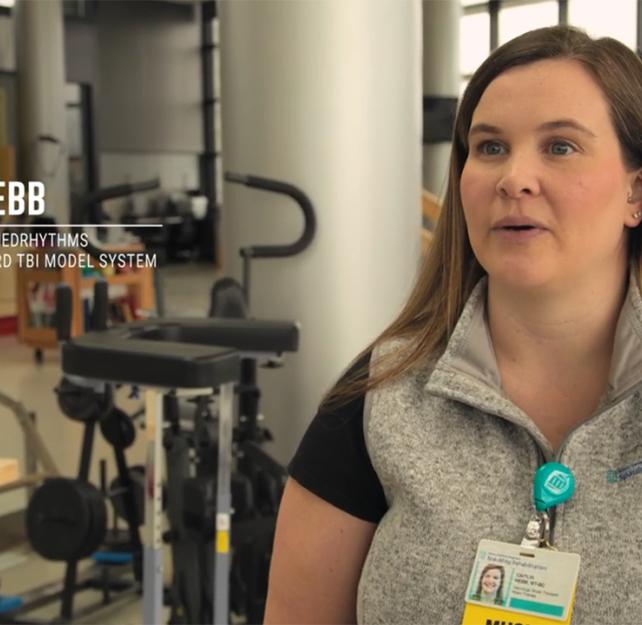
In this video, Caitlin Hebb, MT‑BC, explains how neurologic music therapy supports recovery for people with disorders of consciousness by stimulating arousal, awareness, speech, and movement.
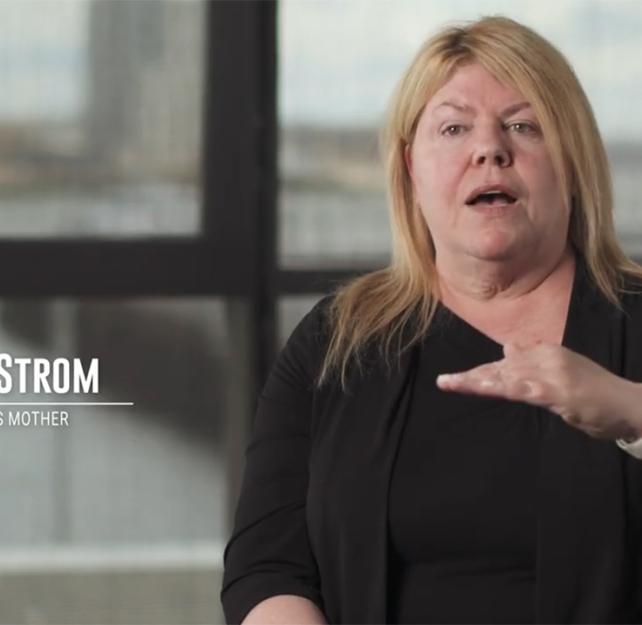
In this video, Gail Strom, mother of Hannah, shares her personal experience navigating the emotional ups and downs of a loved one’s recovery from a disorder of consciousness.
In this video, Joseph Giacino, PhD, explains how specialized inpatient rehabilitation helped uncover the cause of Hannah’s slow language recovery after a disorder of consciousness.
In this video, Joseph Giacino, PhD, explains why many people with disorders of consciousness struggle to access specialized inpatient rehabilitation—despite having significant potential for recovery.
In this video, Beth Hansen, PT, DPT, explains what families should look for when choosing an inpatient rehabilitation program for someone with a disorder of consciousness.
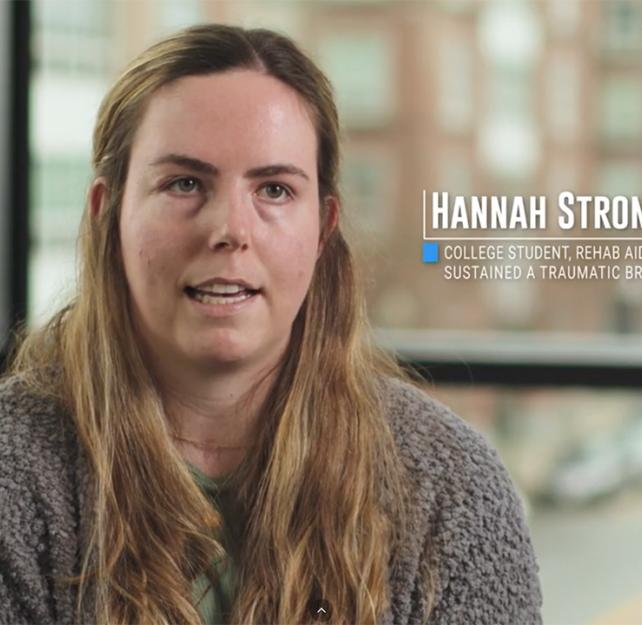
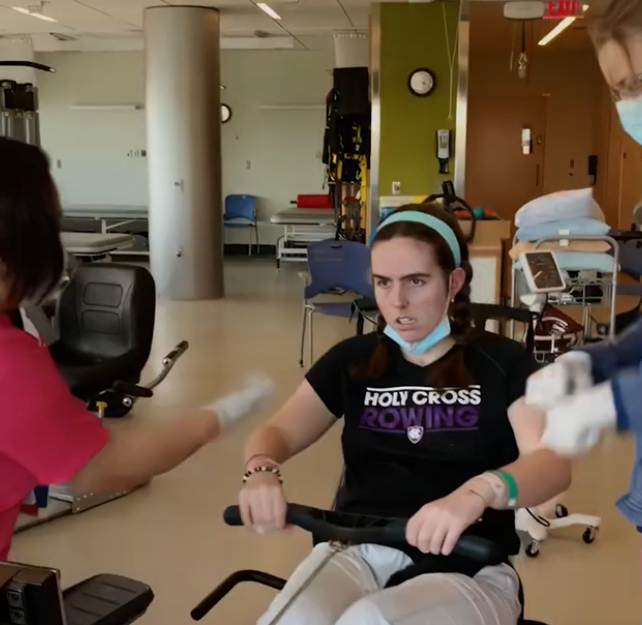
Recovering from Disorders of Consciousness follows the powerful true story of Hannah Strom, a young woman who survived a severe traumatic brain injury (TBI) and spent weeks in a disorder of consciousness. Through her journey — and the experiences of patients, families, and clinicians — this video explores how consciousness can slowly return, why early prognoses are often uncertain, and how specialized inpatient rehabilitation can change outcomes after severe brain injury.
Life after brain injury remains a bit surreal. One might think that after fifteen years, I would have mastered the subtle nuances of this second life, but not even close. Occasionally, I am reminded that I live on a different plane than the neuro normals of the world but I've found ways to adapt and celebrate.
What is neurofatigue? How does it affect people with brain injury (TBI)? Find out what it is, what it feels like, and what you can do to help mitigate symptoms and start to feel better.
March is Brain Injury Awareness Month, my 16th as a brain injury survivor. Looking back, until my life became defined by brain injury, I had never heard of Brain Injury Awareness Month. For several years after my injury, the goal was simple: I wanted to be the person I was prior to my injury. I wanted to be “the old me.” But what if I told you I could be better than my old self in ways I never saw coming?
Living alongside David Grant's TBI was a treatment-resistant case of PTSD. For over fifteen years, he lived with innumerable night terror events. The kitchen calendar counted the bad nights. A good month noted three or four bad nights. A tough month, like last November, came with nineteen night terror events. Last November was as bad as it gets. Life was unsustainable… until it wasn’t.
Last week, while scrolling through my news feed on social media, I had a rather abrupt realization: my life looks pretty normal these days. As I scrolled through my posts from the last few weeks, a picture emerged — a picture of someone enjoying life.
You might be asking yourself what changed. That’s the same question I asked myself. It’s a simple question with a complicated answer.
Brain injury anniversaries are complicated. Like an unseen gravitational force, my mind is drawn back to that day. But this year feels different. My anniversary is still many months away… but thoughts of it are already creeping in at unexpected times.