Use the filters to browse the information we have available or to narrow your search results for a specific audience (e.g. caregivers, military, children), a preferred type of content (e.g. videos, blogs, articles), or by topics of interest (e.g. family concerns, legal issues, symptoms).
In this video, Brian Edlow, MD, explains how families and clinicians work together to make decisions about life‑sustaining treatment for people with disorders of consciousness.
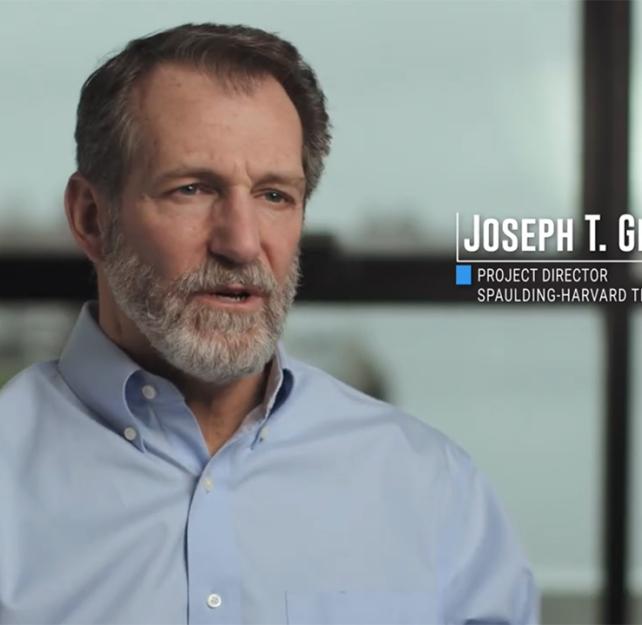
In this video, Joseph Giacino, PhD, challenges common misconceptions about recovery after severe brain injury and prolonged disorders of consciousness.
In this video, Brian Edlow, MD, discusses what current research can—and cannot—tell us about predicting recovery after severe traumatic brain injury (TBI).
In this video, Joseph Giacino, PhD, explains why integrated care across the ICU and rehabilitation settings is essential for improving outcomes for people with disorders of consciousness.
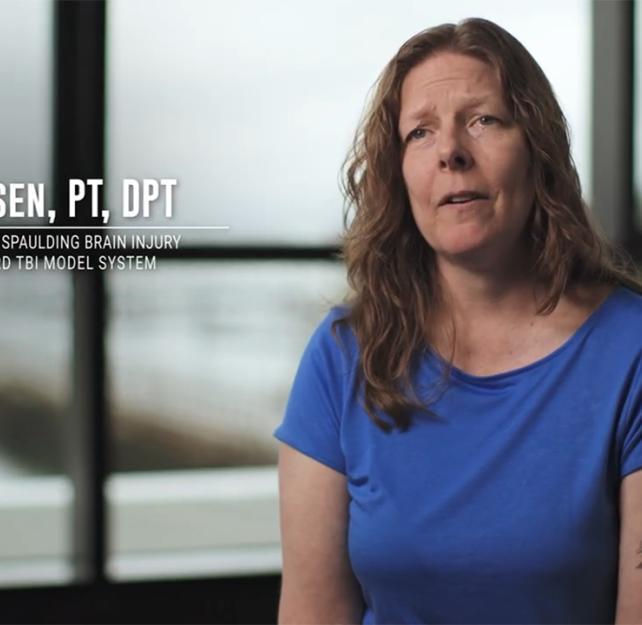
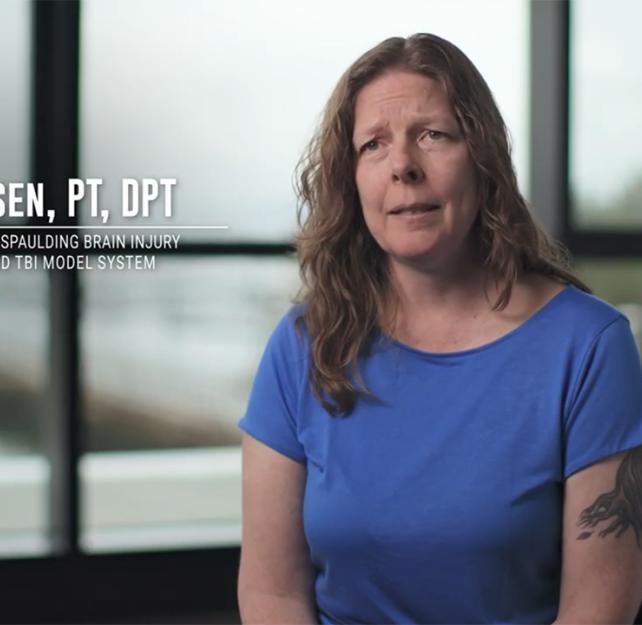
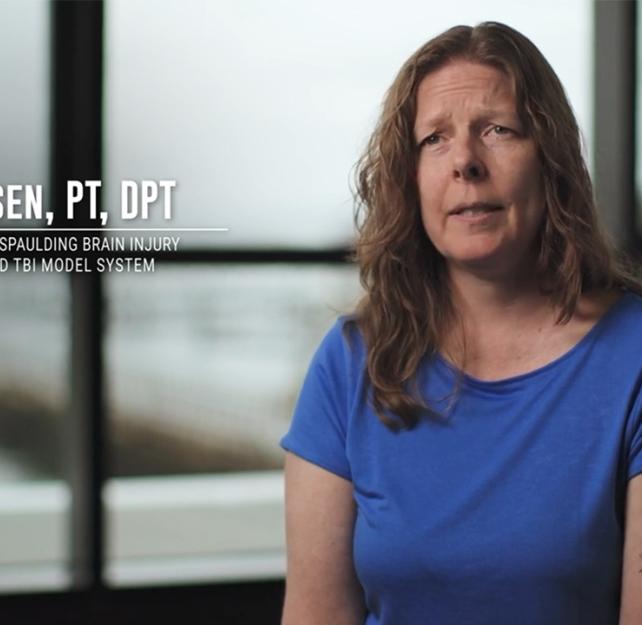
In this video, Beth Hansen, PT, DPT, explains how rehabilitation teams assess pain, stress, and tolerance during therapy for people with disorders of consciousness.
In this video, Beth Hansen, PT, DPT, explains how rehabilitation teams support communication as patients begin to emerge from a disorder of consciousness.
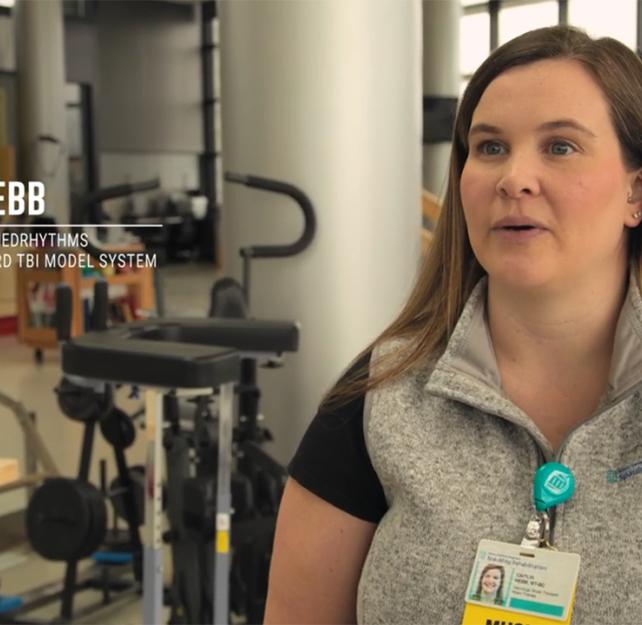
In this video, Caitlin Hebb, MT‑BC, explains how neurologic music therapy supports recovery for people with disorders of consciousness by stimulating arousal, awareness, speech, and movement.
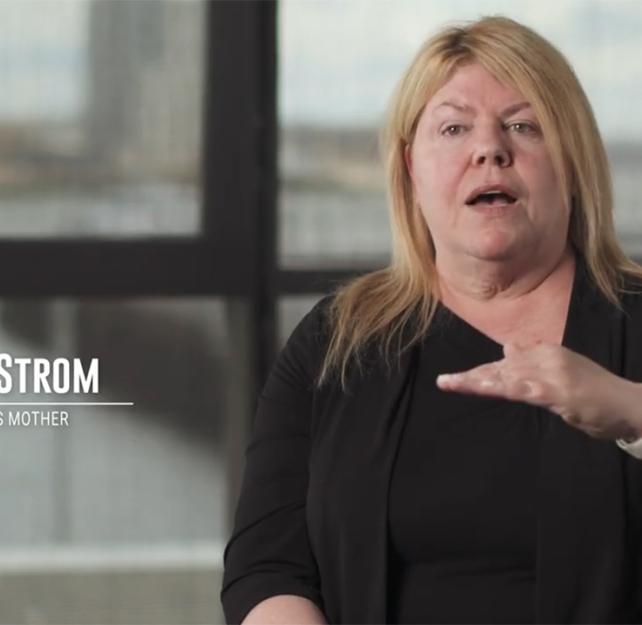
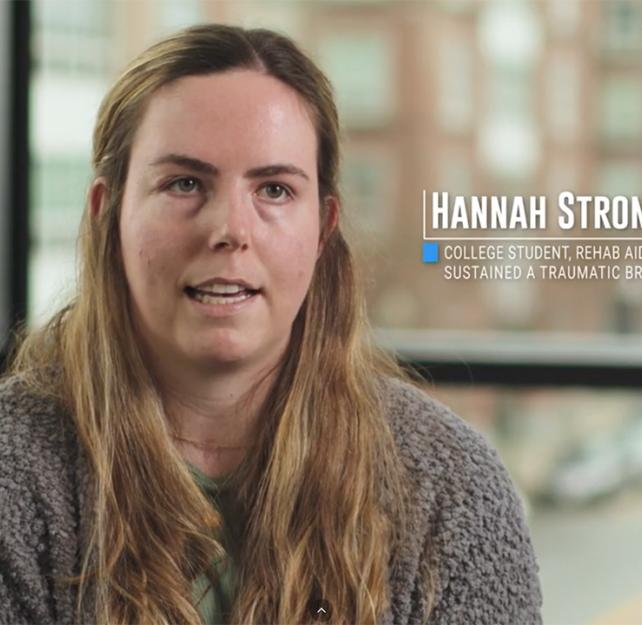
In this video, Gail Strom, mother of Hannah, shares her personal experience navigating the emotional ups and downs of a loved one’s recovery from a disorder of consciousness.
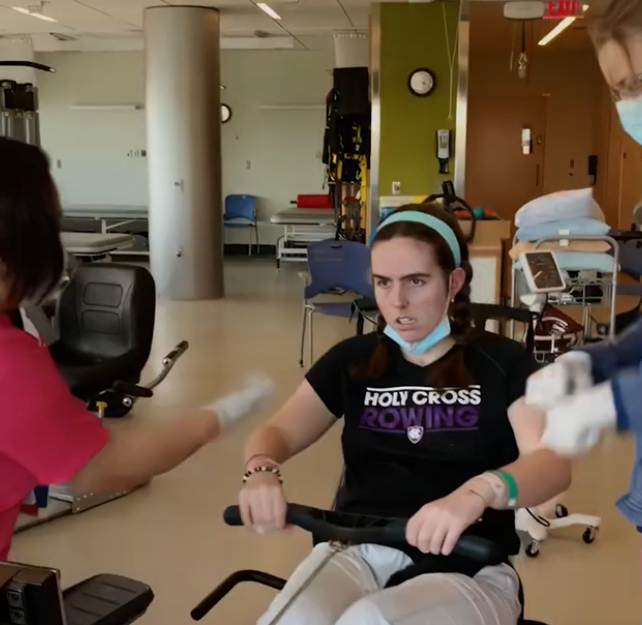
In this video, Joseph Giacino, PhD, explains how specialized inpatient rehabilitation helped uncover the cause of Hannah’s slow language recovery after a disorder of consciousness.
In this video, Joseph Giacino, PhD, explains why many people with disorders of consciousness struggle to access specialized inpatient rehabilitation—despite having significant potential for recovery.
In this video, Beth Hansen, PT, DPT, explains what families should look for when choosing an inpatient rehabilitation program for someone with a disorder of consciousness.
Recovering from Disorders of Consciousness follows the powerful true story of Hannah Strom, a young woman who survived a severe traumatic brain injury (TBI) and spent weeks in a disorder of consciousness. Through her journey — and the experiences of patients, families, and clinicians — this video explores how consciousness can slowly return, why early prognoses are often uncertain, and how specialized inpatient rehabilitation can change outcomes after severe brain injury.
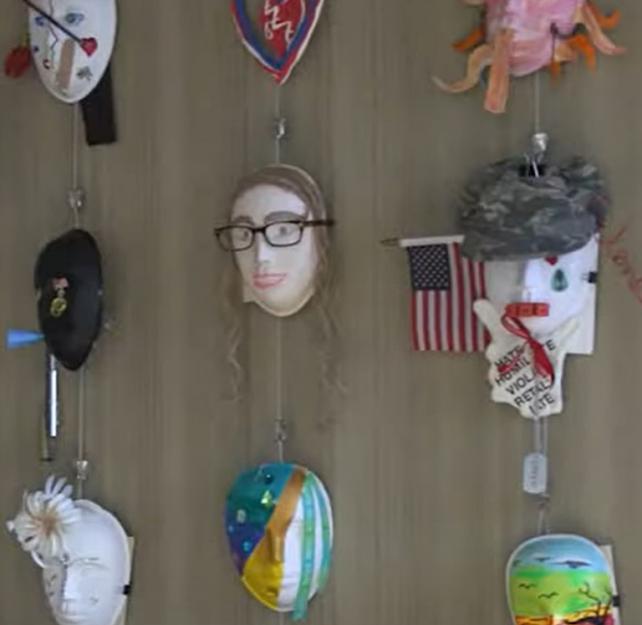
Showing the fronts and backs of masks made by veterans with PTSD and TBI, Art Therapist Stephanie Clark talks about how through the process of making, a veteran can process and better understand their traumas.
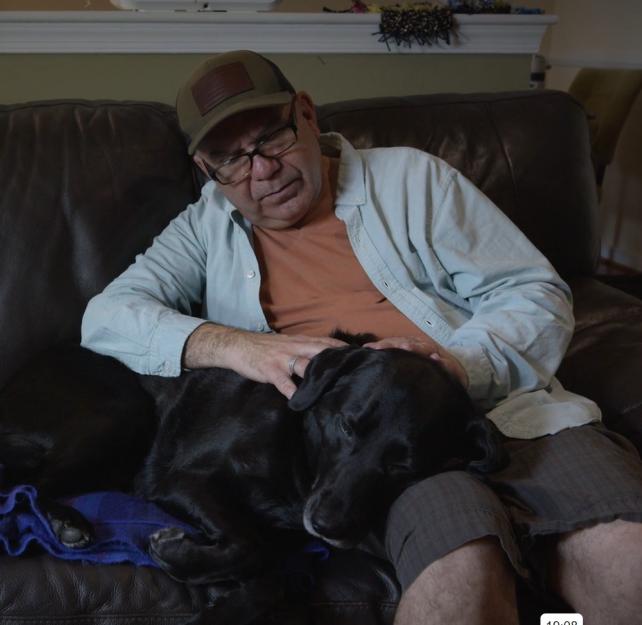
Army veteran Victor Hurtado has had a very successful career as a musician, producer, and talent coach, but suffered from emotional challenges living with PTSD. It wasn’t until he met Holly that he began to find hope for greater happiness in his life.
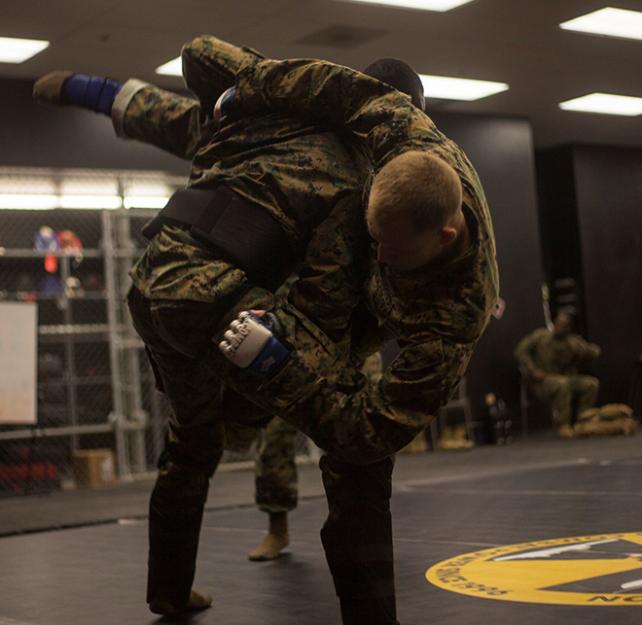
A Field Operator in the Marines, Ashton Kroner downplayed her symptoms after sustaining traumatic brain injuries, which may have exacerbated them in the long term.
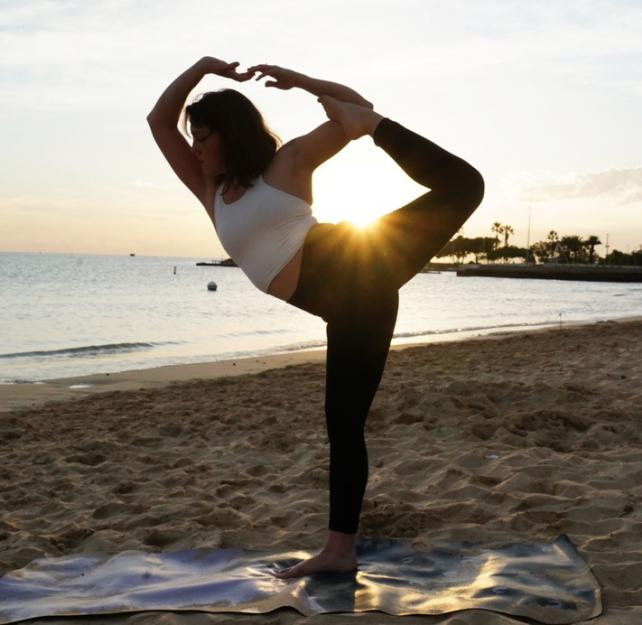
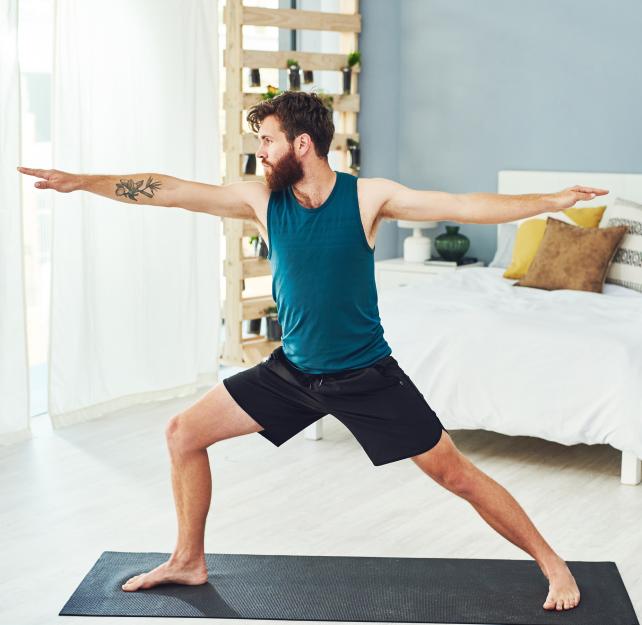
This training is designed for anyone interested in learning about how the brain operates, what happens when it’s injured, and how yoga and meditation can be used for healing.
Natalie Vines—who sustained several TBIs in combat and who has PTSD—found great strength from attending a two-week immersive PTSD program through the Wounded Warrior Project.
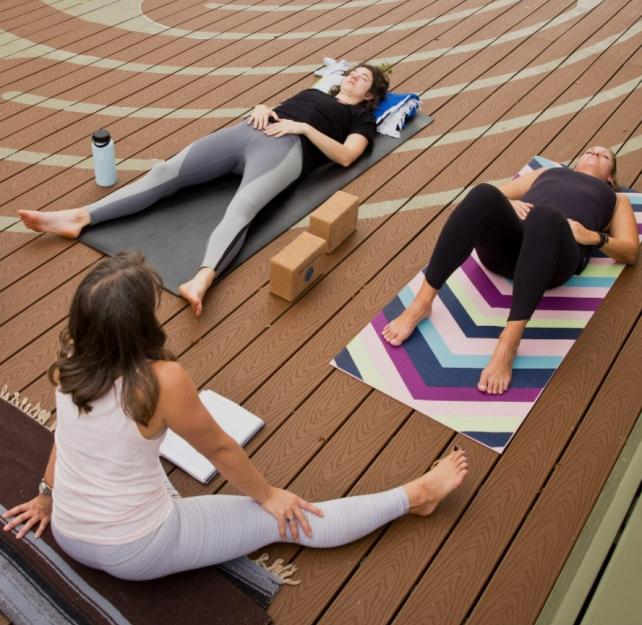
Somatics is a movement therapy that refers to the internal sensations of the body, how you're moving your body, what you feel inside your body. When teaching yoga to veterans through the Emory Healthcare Veterans Program, Marty Yura focuses on interoceptive awareness — the ability to identify, access, understand, and respond appropriately to the patterns of internal signals, which can provide a distinct advantage to engage in life challenges and on-going adjustments. He explains: "When you are focusing on somatics, you are not working against gravity which offers you more space, more room, and more awareness to home in on what you are feeling."
Yoga is a physical practice, but equally a mental practice. The possibilities that can arise from any yoga practice are infinite. Yoga can help you learn ways to calm yourself down. It can release discomforts that you may have been resigned yourself to always having to endure. It can instigate a willingness and openness to try new things, or to access parts of yourself you thought were forever locked.
I keep hearing that I need cognitive behavioral therapy—talk therapy— to treat my symptoms of PTSD like hyper-arousal, depression, avoiding life, and being irritable all the time with my friends and family. Frankly, I don’t want to talk to someone for weeks and months. My wife keeps pressuring me, but the thought of therapy makes me feel weaker than I already am. Why do I feel this way? I’m not sure what to do. Dr. Klassen answers your questions about mental health treatment.