Use the filters to browse the information we have available or to narrow your search results for a specific audience (e.g. caregivers, military, children), a preferred type of content (e.g. videos, blogs, articles), or by topics of interest (e.g. family concerns, legal issues, symptoms).
Due to its relatively brief course of treatment, written exposure therapy may be a more efficient method in reducing PTSD symptoms among U.S. military members, according to a randomized clinical trial published in JAMA Network Open.
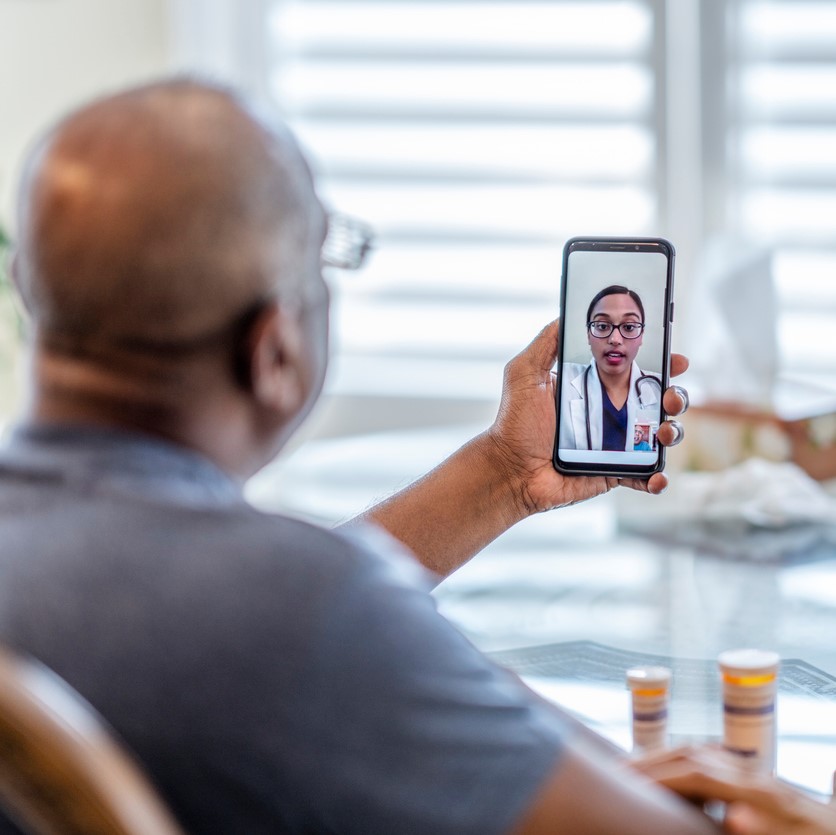
The five-year study, published JAMA Psychiatry, found that telepsychiatry in rural, federally qualified health centers was a resounding success for patients who had screened positive for bipolar disorder and/or post-traumatic stress disorder (PTSD).
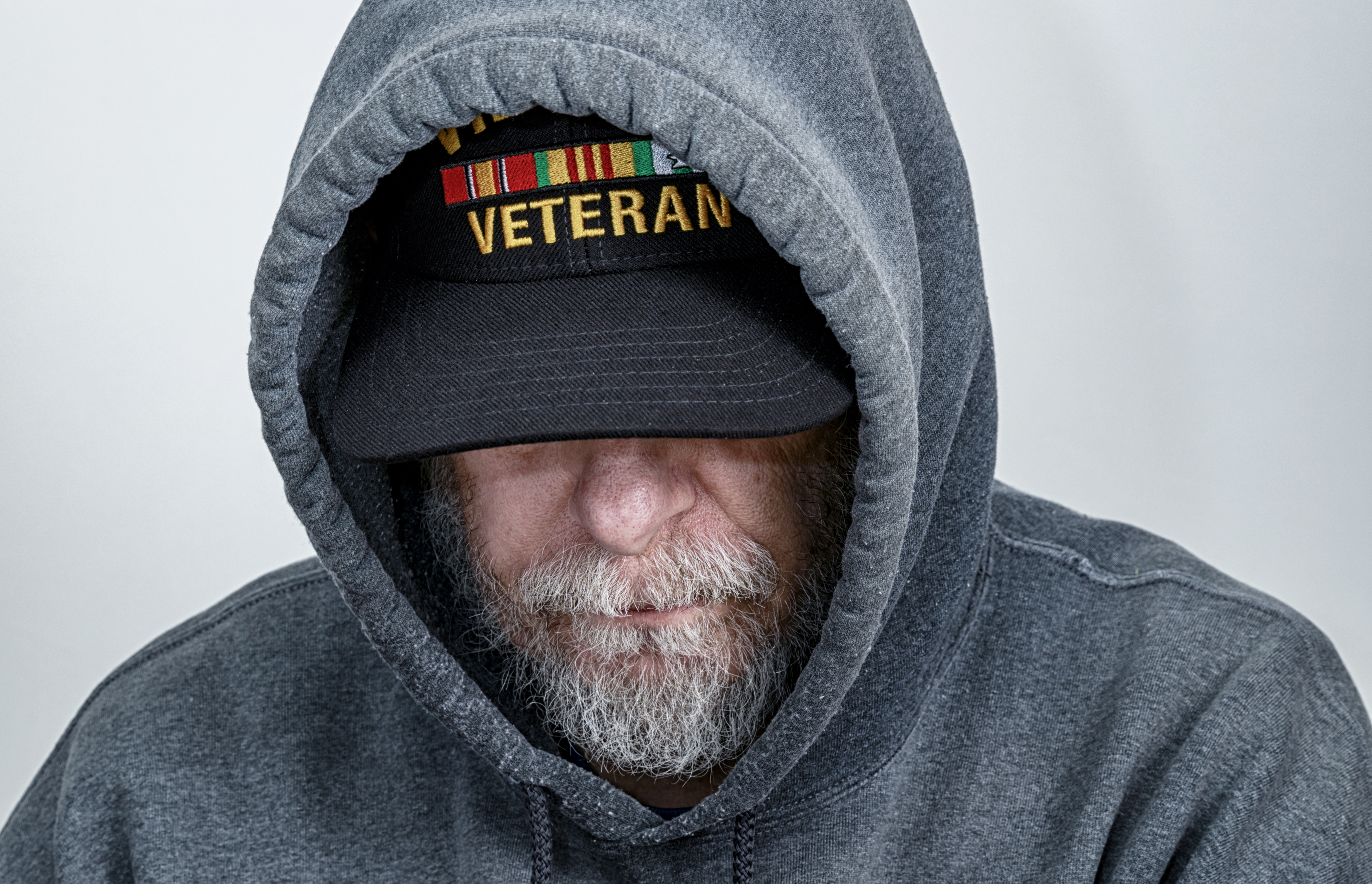
Military veterans may be at elevated risk for COVID-19–associated psychiatric issues given high rates of preexisting psychiatric conditions, such as posttraumatic stress disorder (PTSD) and suicidal ideation (SI). In this survey study, we analyzed data from a national sample of US military veterans to examine (1) the prevalence of COVID-19–associated PTG among veterans with and without COVID-19–associated PTSD symptoms and (2) the incremental association between PTG and SI during the pandemic.
Homelessness is a global public health concern, and traumatic brain injury (TBI) could represent an underappreciated factor in the health trajectories of homeless and marginally housed individuals. We aimed to evaluate the lifetime prevalence of TBI in this population, and to summarise findings on TBI incidence and the association between TBI and health-related or functioning-related outcomes.
Post-traumatic stress disorder (PTSD) is a major problem among military veterans and civilians alike, yet its pathophysiology remains poorly understood. We performed a genome-wide association study and bioinformatic analyses, which included 146,660 European Americans and 19,983 African Americans in the US Million Veteran Program, to identify genetic risk factors relevant to intrusive reexperiencing of trauma, which is the most characteristic symptom cluster of PTSD. In European Americans, eight distinct significant regions were identified. Three regions had values of P < 5 × 10⁻¹⁰: CAMKV; chromosome 17 closest to KANSL1, but within a large high linkage disequilibrium region that also includes CRHR1; and TCF4. Associations were enriched with respect to the transcriptomic profiles of striatal medium spiny neurons. No significant associations were observed in the African American cohort of the sample. Results in European Americans were replicated in the UK Biobank data. These results provide new insights into the biology of PTSD in a well-powered genome-wide association study.
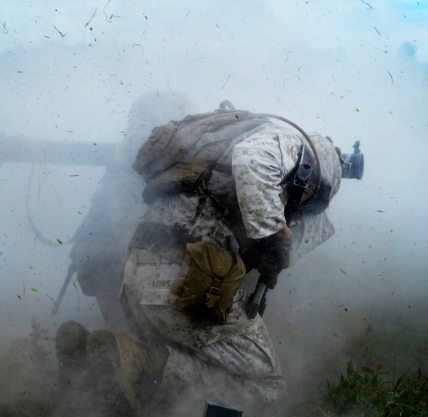
Researchers show how even mild exposure to a single blast shock wave is able to induce small but potentially very meaningful pathogenic effects that accumulate with time.
In this cohort study of more than 350 000 veterans, even mild TBI without LOC was associated with more than a 2-fold increase in the risk of dementia diagnosis.
Mild blast traumatic brain injury (bTBI) accounts for the majority of brain injury service members and veterans but the mechanisms of primary blast brain injury continue to be disputed. Addressed in this review are blast wave transmission through the skull, direct cranial transmission, skull flexure dynamics, thoracic surge, acceleration, and cavitation.
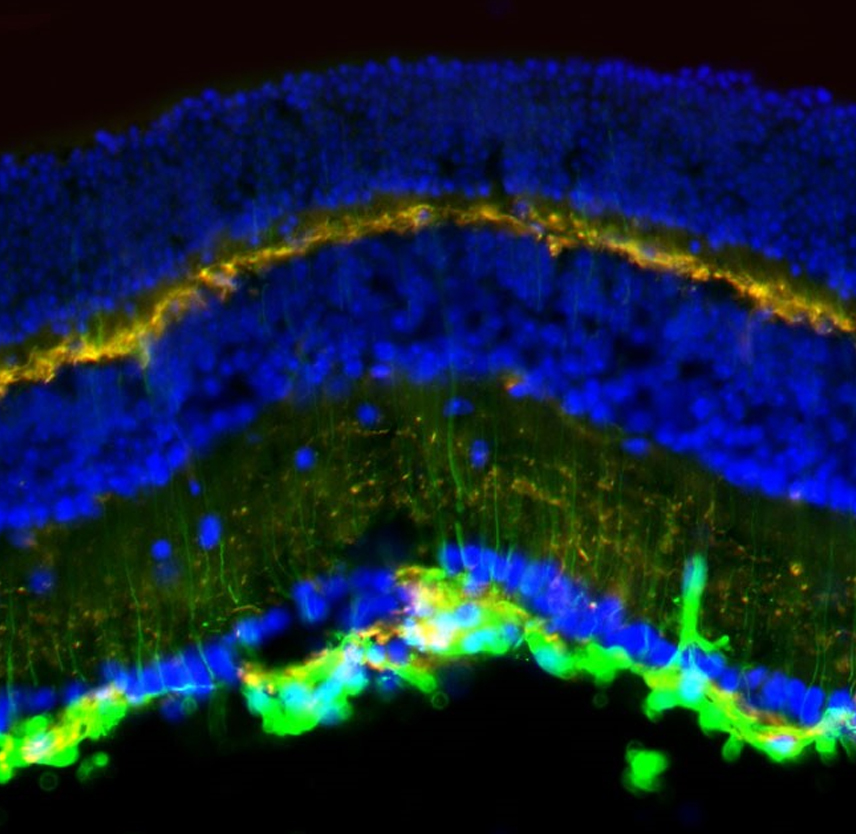
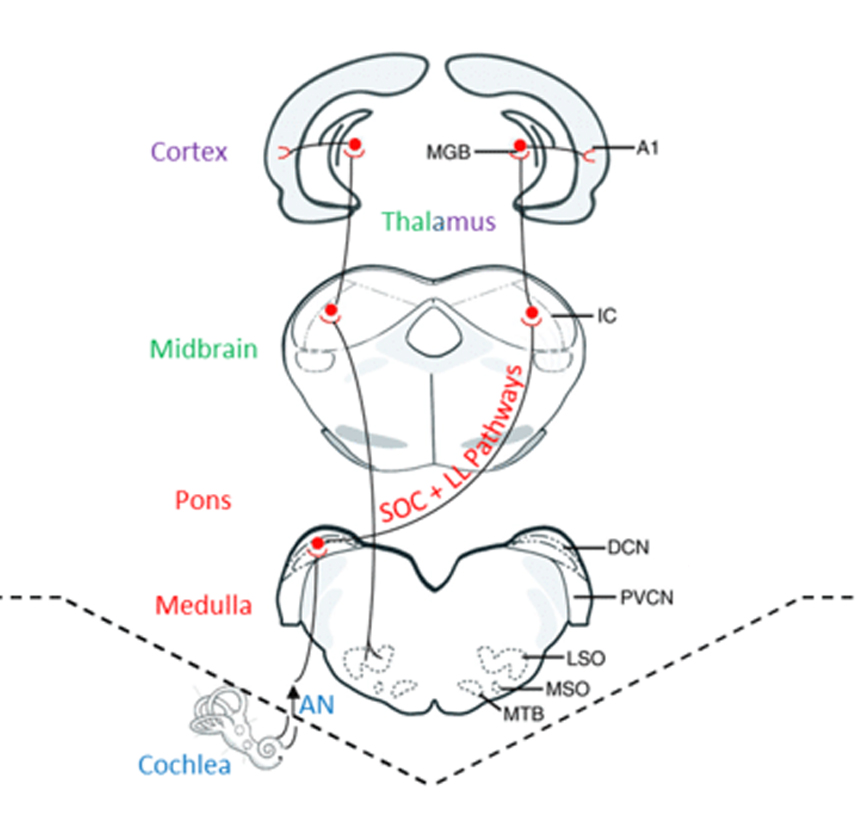
Research findings suggest mild blast trauma suffered by military personnel affects portions of the auditory system that have not been extensively studied after injuries occur, and this impairment might be diagnosed using well-established testing methods.
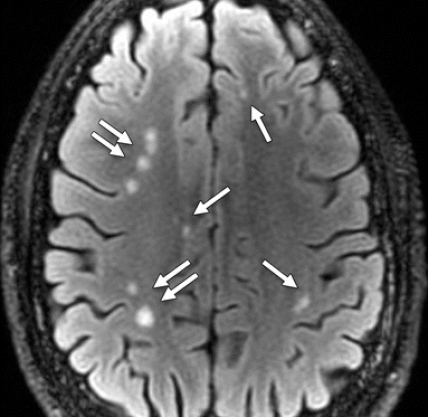
Many military personnel who experience blast-related traumatic brain injury (MTBI) have lasting brain damage as seen by MRI, according to a study published in Radiology.
A 2015 report from the Office of Government Accountability says the 32 peer-reviewed studies on the effectiveness of the HBOT for traumatic brain injury and post-traumatic stress came up with mixed results.