Use the filters to browse the information we have available or to narrow your search results for a specific audience (e.g. caregivers, military, children), a preferred type of content (e.g. videos, blogs, articles), or by topics of interest (e.g. family concerns, legal issues, symptoms).
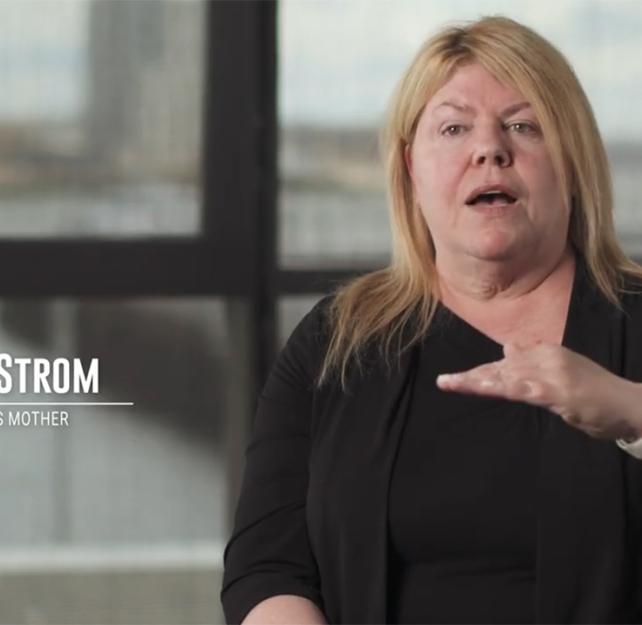
In this video, Gail Strom, mother of Hannah, shares her personal experience navigating the emotional ups and downs of a loved one’s recovery from a disorder of consciousness.
Identifying racial trauma and getting specific help to heal, especially taking into account the historical and generational context, is crucial as society takes much needed strides toward racial justice.
Businesses, restaurants, and other establishments including, ironically, the VA, should become more educated about service dogs and the Americans with Disabilities Act.
In our country—and around the world—we are witnessing a rise in suicide, drug dependency, and poor access to physical and mental health services. Programs like Wounded Warrior Project feel it is their responsibility to translate their best practices offered to veterans and service members for treatment and rehabilitation for these conditions to the entire country and world of civilians.
Kevin Ash, a veteran, felt strongly about helping others. His brother Connor Martin knows Kevin would be proud to continuing helping others even after his death by raising awareness of TBI, CTE, and brain donation.
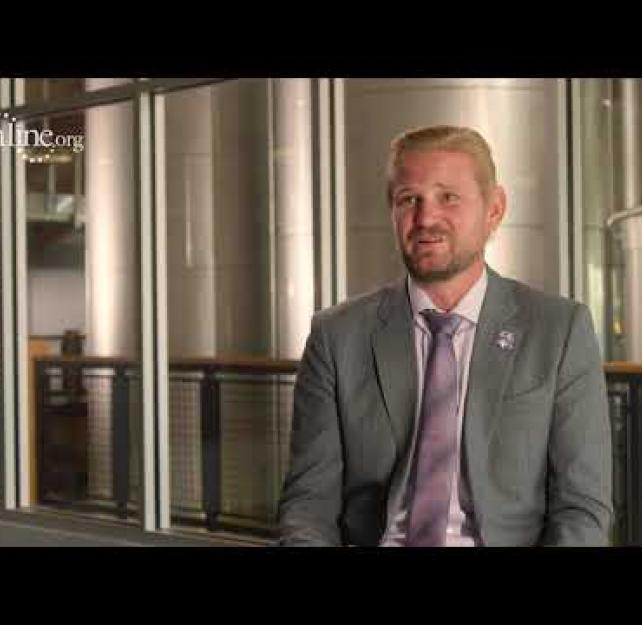
Veteran Jonathan Warren talks about his experience with the Inifinite Hero Foundation and the growing collaboration in the non-profit and medical fields.
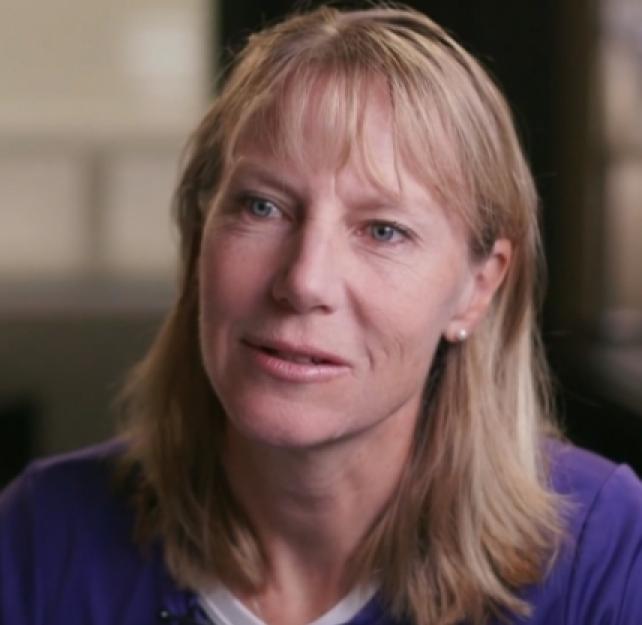
As someone who had a phenomenal career in professional soccer and that had a career-ending head injury, Briana Scurry knows she can help other female — and male — athletes.
Dr. Heechin Chae talks about how a brain injury is like an earthquake in a city, changing, damaging, or destroying the roads and bridges in the city of the brain.
People with TBI who may need life-long care need someone to network and advocate for them. This is not always an easy job, and sometimes family members are not cut out for it.
Diagosing a mild TBI often has to rely on subjective evaluations. A standard, objective screening tool like a blood biomarker would help with diagnosis and with tracking recovery.