Use the filters to browse the information we have available or to narrow your search results for a specific audience (e.g. caregivers, military, children), a preferred type of content (e.g. videos, blogs, articles), or by topics of interest (e.g. family concerns, legal issues, symptoms).
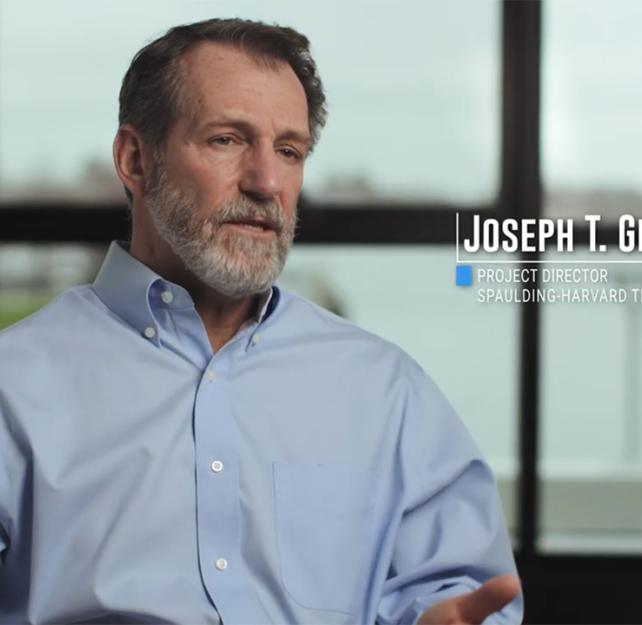
In this video, Joseph Giacino, PhD, explains how specialized inpatient rehabilitation helped uncover the cause of Hannah’s slow language recovery after a disorder of consciousness.
What is neurofatigue? How does it affect people with brain injury (TBI)? Find out what it is, what it feels like, and what you can do to help mitigate symptoms and start to feel better.
USAF Staff Sergeant Adam Watson joined the military just before 9/11 to find a sense of direction as a young adult. He was trained as a linguist and worked in intelligence. He found purpose and fulfillment in his mission to target terrorists but at a high cost. His time in service took a toll on him and, eventually, his family.
Hear how Home Base, a part of the Wounded Warrior Project's Warrior Care Network, helped Adam treat his depression and post-traumatic stress disorder (PTSD) with Prolonged Exposure Therapy (PE) and other complementary therapies in their Intensive Outpatient Program (IOP). For information about treatments for PTSD please visit The Treatment Hub: https://www.brainline.org/treatment/ Don’t forget to like and subscribe! Information about Prolonged Exposure Therapy (PE): https://www.brainline.org/treatment/pe Home Base in Boston, MA, USA: https://homebase.org/ Wounded Warrior Project's Warrior Care Network: https://www.woundedwarriorproject.org/programs/warrior-care-network Website: https://www.BrainLine.org Donate: https://tinyurl.com/BrainLineDonation Facebook: https://www.facebook.com/brainline Twitter: https://twitter.com/brainline LinkedIn: https://www.linkedin.com/company/brainline.org/
U.S. Marine Corps Reserves Veteran Nick Morrison's Humvee was hit by improvised explosive devices twice while he was deployed in Iraq. When he got home, the symptoms of post-traumatic stress disorder (PTSD) became debilitating. Nick shares how his survivor's guilt and moral injury caused his PTSD and how WWP’s Road Home Program helped him heal.
Her husband was different when he came home from his deployment. Jenna married the love of her life, Isaac, in the United States Navy. He returned home from Afghanistan a changed man. Jenna started feeling stressed out herself.
A Field Operator in the Marines, Ashton Kroner downplayed her symptoms after sustaining traumatic brain injuries, which may have exacerbated them in the long term.
Tonya Oxendine, United States Army Command Sergeant Major, Retired, joined the military for safety and security but found much of the same trauma she faced at home.
William "Bill" Jones joined the United States Army in response to the attacks on 9/11. After several deployments anger, anxiety, and symptoms of post-traumatic stress disorder (PTSD) were taking over and he retired from active duty.
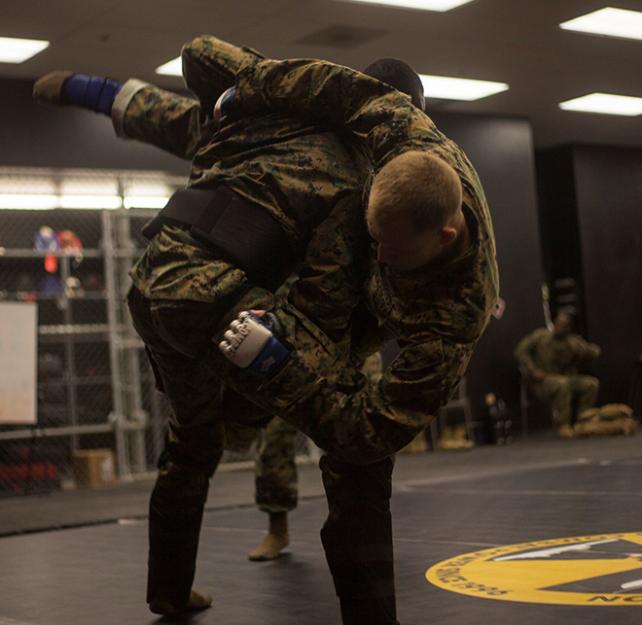
One of the most powerful aspects of the two-week immersive Road Home program is group therapy for veterans and service members. Along with the help of clinicians like Dr. Klassen these sessions, vets and service members in these sessions can share their experiences, questions, and perspectives in a safe space. Powerful transformations and healing can occur when one veteran, for example, can shed light on the experience of another, helping that individual better understand a trauma and change the narrative.
Connor Martin's brother, veteran and athlete Kevin Ash, received a traumatic brain injury (TBI) that put him in a coma. Once he came out of it, though, he didn't seem able to communicate with Connor. It took some investigating to find out why.
Veteran Jonathan Warren got five CT scans and five MRIs over the course of his military career and each time they found nothing to explain his changed behavior. Then he got an EEG and everything changed.
Dr. James Kelly knows that many of those in the millitary receive "invisible wounds" while in service and those can go unnoticed. The Marcus Institute evaluates to see if a person for those wounds and then provides comprehensive care for the physical, emotional, and cognitive changes that can accompany trauma to the head using a combination of traditional and complementary treatments.
Apps can change the life of a person with brain injury. People with TBI and their caregivers don't always realize how much the injury can impact their lives. For someone who is used to be able to do so many things the loss of those abilities is frustrating. Apps can help.
A veteran with TBI started using apps to help her in school while she was getting her master's degree. Soon she found those apps were being incorporated into her every day life, not just when she was in the classroom.
Apps are great tools for people with brain injury, but caregivers can help make them even more effective. If caregivers learn how the apps work they can provide support and troubleshooting, minimizing frustration and maximizing usefulness for someone with TBI.
Troubleshooting can be necessary when using apps after a TBI. Before giving up on the app and, if you can, check to see if it's a common issue for others. It maybe a simple fix.
There are many apps that can be helpful after a TBI. They should help with skills you need to support, but here are some options that might be what you're looking for.
Using apps after brain injury isn't about quantity, but rather quality. More apps doesn't equal more improvement. In fact, it can be too overwheming to be helpful at all. Instead, examine what skills you want to focus on and then find 5-6 apps that will help with those skills.
Self-regulation is an important skill and apps like PaceMyDay can be a great tool to learn your own limits and comfort levels. After a TBI this skill is even more important since those comfort levels have likely changed. How long you want to use an app depends on what you want or need.