Use the filters to browse the information we have available or to narrow your search results for a specific audience (e.g. caregivers, military, children), a preferred type of content (e.g. videos, blogs, articles), or by topics of interest (e.g. family concerns, legal issues, symptoms).
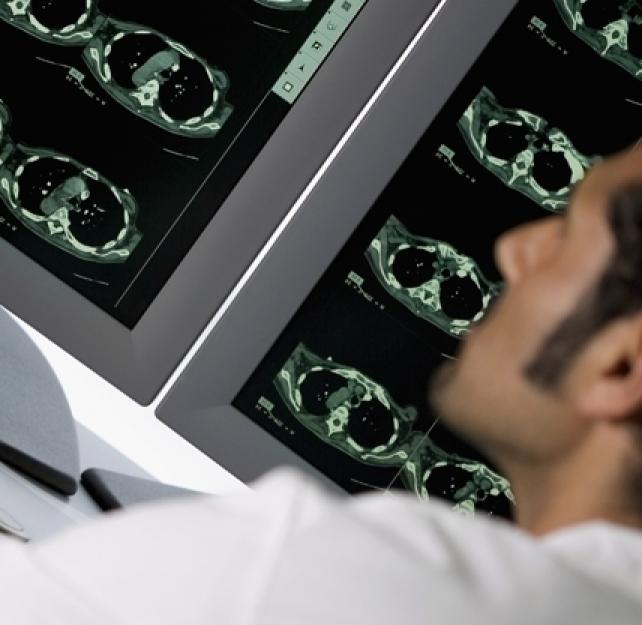
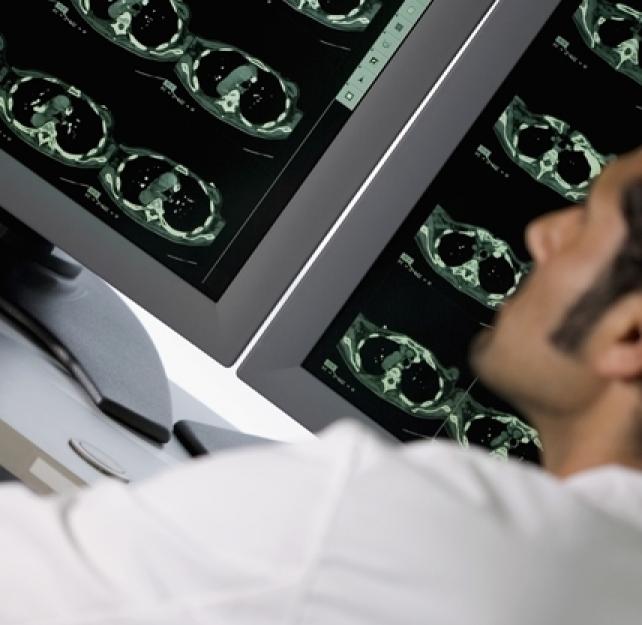
Neuroimaging the brain with a MEG can show, in real time, how damage to the brain can interrupt, slow, or stop communication from one part of the brain to other parts.
Many experts collaborated on the plan for the National Intrepid Center of Excellence with the goal of creating an objective measure to better characterize brain injury, and then treat it.
Ironically, people with TBI and their families are relieved when neuroimaging shows a problem. Those images can give answers that can lead to more individually tailored treatment.
Dr. Shane McNamee talks about helping each veteran transform from a patient with complex injuries back to an individual with many roles — Marine, father, husband, son, athlete, artist ...
Service members, veterans, their families, and professionals can find programs to help with brain injury and psychological health at Military OneSource and the Rand Corporation.
Researchers talked to more than 600 people in the military who might know anything about TBI and psychological health to learn more about available programs.
The main recommendations from RAND report on TBI and psych health included centralizing information, addressing gaps, and studying ways in which programs can find people with early symptoms.
The RAND Corporation is continuing its research, looking at what programs for TBI and psychological health in soldiers and veterans are working best and how to share that knowledge.
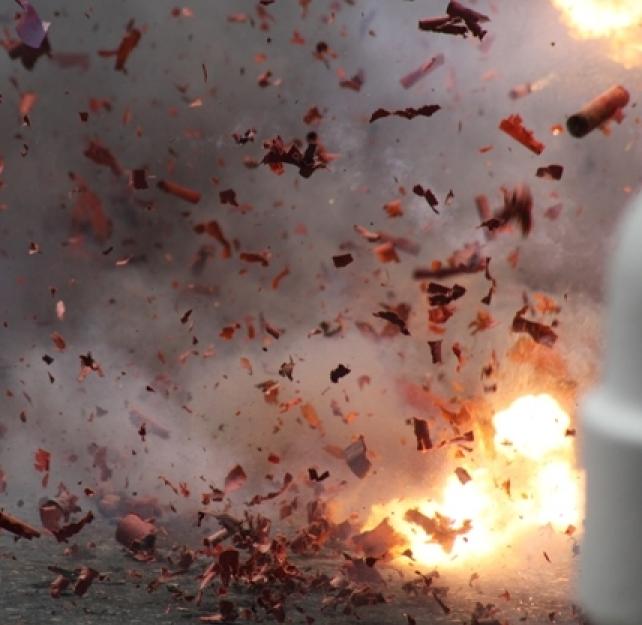
Blast injuries are a complex form of injury — from the effects of pressure waves on the body's tissue to the psychological trauma that can come with physical injury.
A full neuropsychological evaluation of a child with a mild brain injury can often tell more about the nature of the damage and its functional effects than imaging screens like CAT scans or MRIs.
What is unidentified traumatic brain injury? Learn how it can happen and what can be done about it from people with brain injury and experts in the field.
Concussion Recovery Centers, located near service members' units, are quiet, comfortable environments conducive for rest and recovery after a brain injury.
Service members need to share their injury history, symptoms, and any diagnosis or treatment done in theater to help their stateside doctors better tailor care.
"There have been people who didn't leave me even when I told them to, who gave me chances, who listened even during my darkest times post-injury. I couldn't have made it without them." Navy veteran Derek McGinnis shares his experience.
Vets and service members need help after injury not only to build on the strengths they once had but also to realize how to grow and change from there. Navy veteran Derek McGinnis shares his experience.
"Being in the hospital after a TBI — tubes and machines attached everywhere — is scary and frustrating. Only the Marines were able to calm me down." Navy veteran Derek McGinnis shares his experience.