Use the filters to browse the information we have available or to narrow your search results for a specific audience (e.g. caregivers, military, children), a preferred type of content (e.g. videos, blogs, articles), or by topics of interest (e.g. family concerns, legal issues, symptoms).
A brain injury can affect just about everything — including the way you walk, talk, and think. That's why there are a number of treatments available that attempt to restore the parts of life that have been affected by a brain injury.
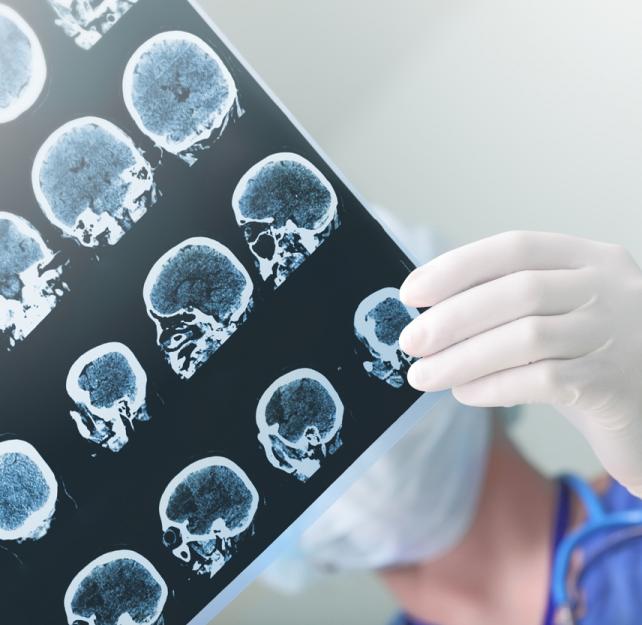
Hospital care after someone has a traumatic brain injury can run the gamut from a quick neurological checkup and perhaps an MRI imaging test to months of fulltime monitoring and care.
Up to 40% of people with brain injury experience related vision disorders. Some vision-related issues can be permanent; others resolve quickly. Here's what you need to know.
For people recovering from a traumatic brain injury, sleep is especially important, but people with brain injury often have trouble getting the quantity and quality of sleep they need.
Memory is the brain taking in, keeping, recalling, and using information. A brain injury can affect any of these facets of memory. And it can also make it hard to learn and remember things.
Many people who sustain a brain injury experience problems with their ability to think, plan, concentrate, and remember. Some cognitive symptoms may appear right away, while others can arise long after the injury.
Depression can sometimes be a double-whammy. While depressed, you don’t have the energy or confidence to do what you need to do to try to feel better. Here are a few strategies that people with post-TBI depression have suggested.
A brain injury can bring with it all sorts of challenges. A person’s balance may be off; he may have lost part of his field of vision; or his memory might be so compromised that within moments of seeing or hearing something, it’s gone. But like a magnifying glass for someone who has trouble reading the small print, there are many assistive technologies available for people with TBI.
Anxiety can come in many colors and textures following a brain injury. It can bubble up in crowded, noisy places. It can surface when there is too much quiet — when worries seem to snowball and there is no place to hide.
Armed with basic information and helpful resources, anyone can become an effective advocate for themselves. Some people may choose to hire an advocate, while others may ask family and friends to help out.
People with brain injury can have problems with accessibility. They can run into countless obstacles — from websites that don’t take into account someone with vision problems or memory problems to buildings without wheelchair access. Here's what you need to know.
In whatever sport a child chooses, to feel more comfortable and confident with their participation as it relates to concussion risk, parents must do their homework and ask questions of the league and coaches about how they handle head safety.
When challenging things happen, emotional health lets you bounce back and move on. Most of us take emotional and mental health for granted and only focus on it when problems occur. But like physical health, it requires attention to build and maintain.
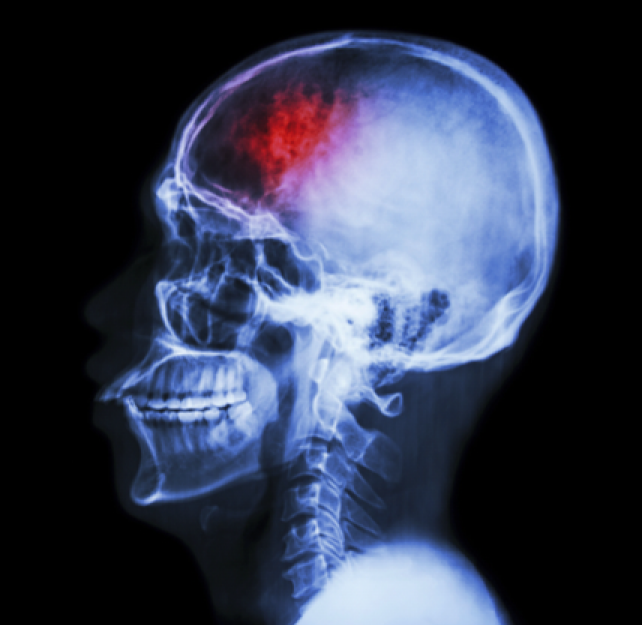
Our brains are terribly fragile and vulnerable to all sorts of injury. Although brain tissue can be damaged by a variety of things like infections, tumors, or strokes, any injury to the brain from an external force results in a TBI.
Veterans who sustained a traumatic brain injury (TBI) may be suffering from a range of symptoms. Learn how to cope using these strategies and resources.