Use the filters to browse the information we have available or to narrow your search results for a specific audience (e.g. caregivers, military, children), a preferred type of content (e.g. videos, blogs, articles), or by topics of interest (e.g. family concerns, legal issues, symptoms).
Post-traumatic stress disorder (PTSD) is a major problem among military veterans and civilians alike, yet its pathophysiology remains poorly understood. We performed a genome-wide association study and bioinformatic analyses, which included 146,660 European Americans and 19,983 African Americans in the US Million Veteran Program, to identify genetic risk factors relevant to intrusive reexperiencing of trauma, which is the most characteristic symptom cluster of PTSD. In European Americans, eight distinct significant regions were identified. Three regions had values of P < 5 × 10⁻¹⁰: CAMKV; chromosome 17 closest to KANSL1, but within a large high linkage disequilibrium region that also includes CRHR1; and TCF4. Associations were enriched with respect to the transcriptomic profiles of striatal medium spiny neurons. No significant associations were observed in the African American cohort of the sample. Results in European Americans were replicated in the UK Biobank data. These results provide new insights into the biology of PTSD in a well-powered genome-wide association study.
Finding acceptance after a brain injury isn't easy. "For a long while, I bucked against our reality. I found myself caught between what I had once known and an uncertain future. The in-between caused marked turmoil. As much as I didn’t want to accept Taylor’s brain injury as part of our lives, it is. As much as I wish it didn’t affect Taylor and our family … it does."
Dr. Jeffrey Kreutzer talks about why it's important to talk openly with people affected by brain injury about emotional and psychological recovery in addition to medical and physical recovery.
Some signs and symptoms of concussion are evident soon after the traumatic event, while others you may only become aware of others days or weeks later.
How do you love the man who can’t express emotions the way he did when you first fell in love with him? How long do you continue to gaze into eyes that don’t see your heart? How many times do you say, “I love you” to someone who doesn’t respond?
A study comparing depression rates in men and women one year after moderate or severe TBI shows no significant gender differences in depression symptom levels. But researchers did find different patterns of other symptoms.
My relationship with clinical depression goes back almost three decades. For reasons that even those intimately familiar with brain injury would be at a loss to explain, my depression virtually disappeared after my injury.
With an injured brain, the holiday season can burden us with more fatigue, more stress and perhaps some sad emotions. We will be able to enjoy ourselves much more if we prepare ourselves for the holiday season. Here are some tips that work for me since my brain injury.
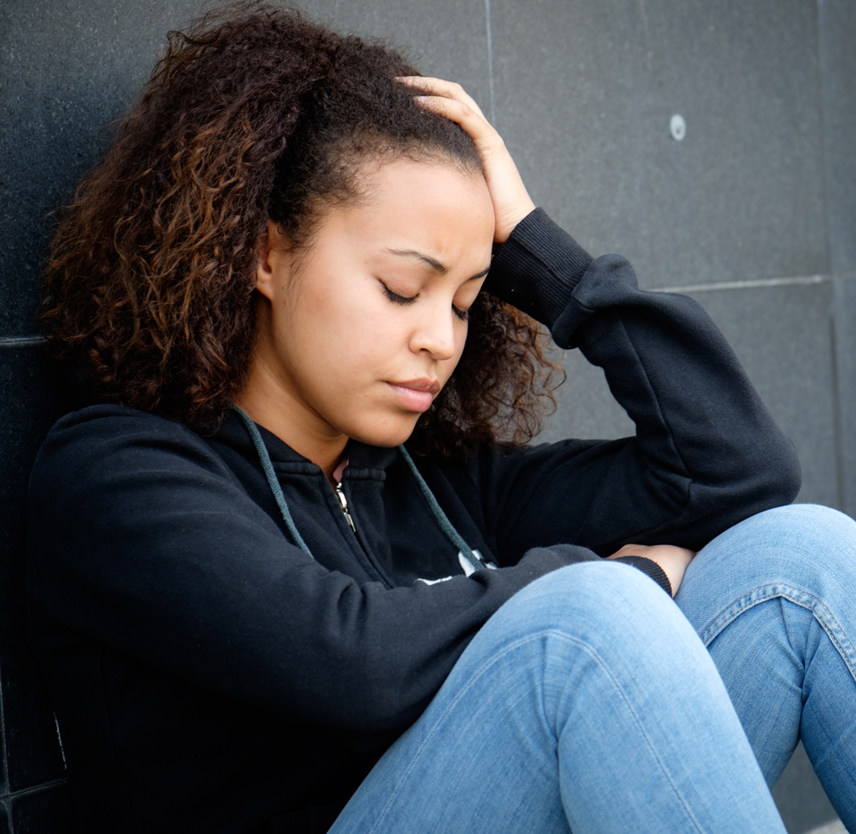
Mood and behavior changes may appear after a concussion or mild TBI. You or your loved one may not understand why this is happening or know what to do. Trying these tips may improve these feelings.
Teens need to be able to talk about their plans and concerns with adults, but it can sometimes be difficult for adults to get out of the driver’s seat and let the teen take charge.
Of all the things I was warned about following TC’s brain injury diagnosis, no one suggested the idea of mistrust or suspicion. I didn’t anticipate waking up one day, twelve exhausting and painstaking months into his recovery, to find myself on trial, accused of harboring ulterior motives and secret plans...
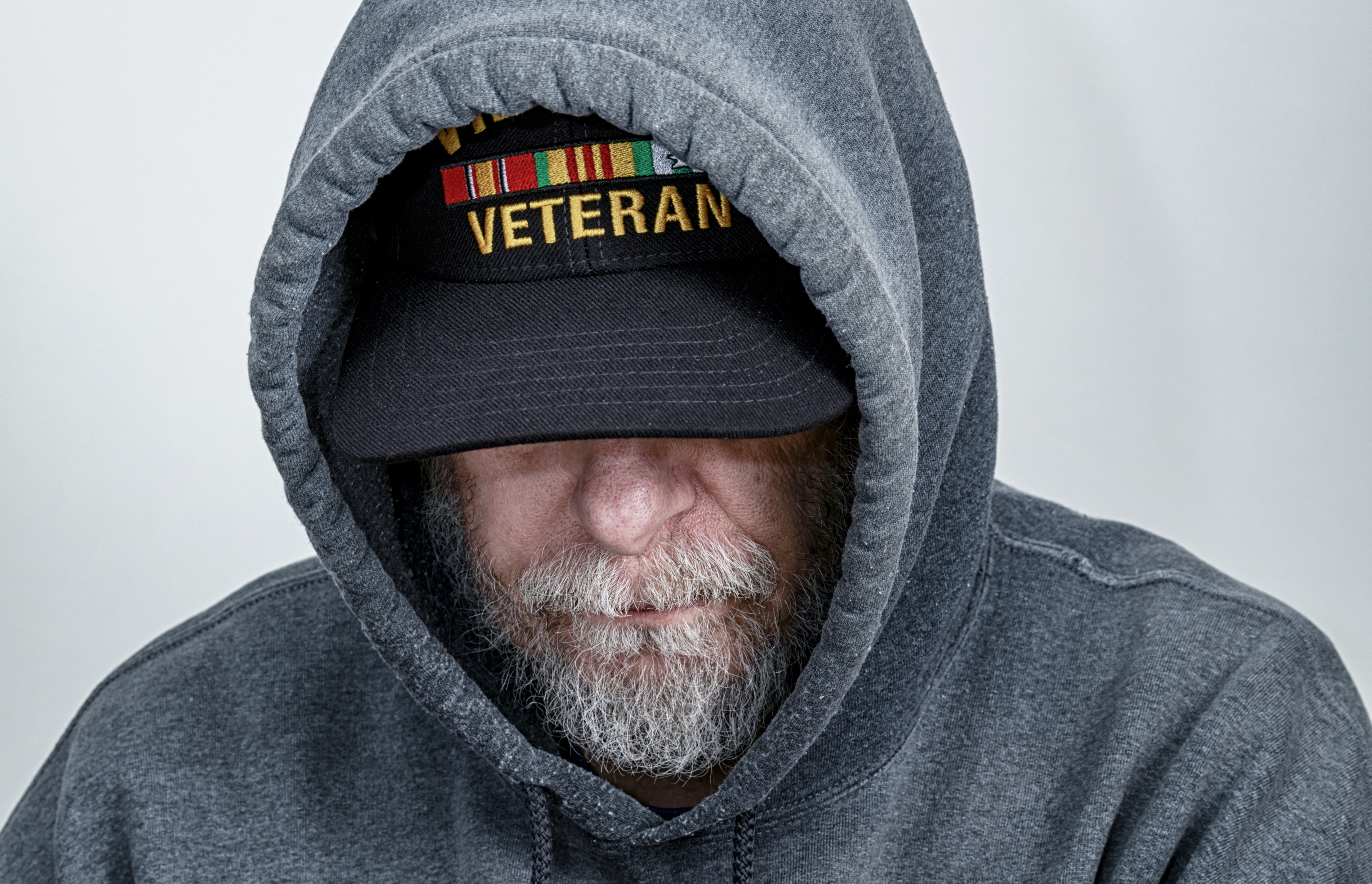
Several hundred thousand service members have sustained TBI since 9/11. For most of these vets, the long-term challenge is dealing with profound changes in social skills and the ongoing demands of daily life.