Use the filters to browse the information we have available or to narrow your search results for a specific audience (e.g. caregivers, military, children), a preferred type of content (e.g. videos, blogs, articles), or by topics of interest (e.g. family concerns, legal issues, symptoms).
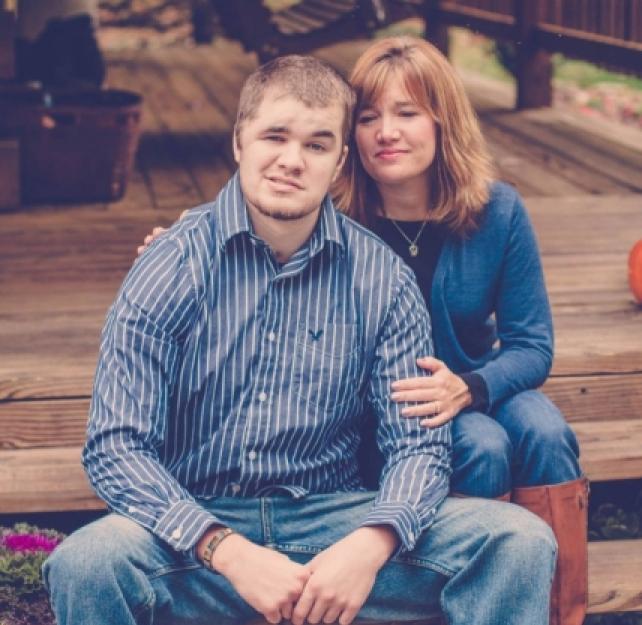
Elise Rosenhaupt discovers that her life before her son Martin’s devastating traumatic brain injury has prepared her for helping him through his rehabilitation and recovery.
When to stay? When to go? When to get professional help? These are some of the hardest questions we will face in our post-TBI lives. These are gut-wrenching decisions to make. I know that not only from my own experience, but from the network of caregivers I communicate with everyday.
Like those of us who have been at this business of life after brain injury for a long time, I am aware of the stages that we go through. I know that I am experiencing "recurring grief." During these times it can be very hard to “find the good and praise it..."
I’ve been fortunate to have a few personal encounters with people who are rocking the boat of brain injury awareness, and from them, I’ve gathered some valuable pearls of wisdom. Here they are...
Everyone in the family is affected by a brain injury. Your role within the family has changed and the role of your family member with TBI may also have changed. Here are some tips and strategies to assist families during this time of transition.
I never wish to glamorize the process of returning to work, nor unfairly claim credit for it. TC was at the helm for most of this journey. With that said, there are a few pieces of wisdom I’ve gathered from the experience...
In the past ten years, I found myself laughing when I thought of Hugh’s pre-injury days—those glorious days when I thought I was so busy and hectic. Once the dreaded accident phone call came and I rushed to the emergency room, I discovered what busy was all about.
Brain injury has been a type of boot camp for our family, a crash course in thickening our skins and tackling struggle head-on. And although none of us signed up for it willingly, I think we can all agree it’s been strenuous and valuable preparation for whatever challenges lie ahead.
As weeks and then months went by, the monitors were gradually removed and it became more important for family and friends to communicate with nursing staff regarding Josh's neurostorms.
Immediately following a brain injury, outsiders often reiterate to survivors how grateful they are for that person’s survival and how accepting they plan to b. But when put to the test in everyday life, we quickly discover it’s tough to respond with unwavering compassion.
After a severe TBI at age 4, Michael Wight is now in fourth grade at Switlik Elementary, where they call him "the mayor." He attends class with other fourth graders and also gets help from a special education teacher, speech therapist, and physical therapist.
As a survivor, I distinctly define the before and after. Everything was profoundly different in the before, and now we exist in the after. I can almost see the marker in my mind. This is what the after looked like a few nights ago...
Caregivers play a vital role in helping veterans recover from TBI and post-traumatic stress. In this article, four military caregivers describe the first major challenge they faced as they began taking on the role of caregiver.
Four years later, as some of the dismal fog lifts, I can see that out of fear of letting anyone down, there have been many times that I’d proudly adorned the “I’m fine” mask. The truth is, there is no way to be the same Mom, wife, daughter, sister, aunt, friend or anything after every fiber of your being has suffered radical rewiring.
I know this is a hard truth, one that many doctors and insurance companies will scoff at, one that many people might think is unrealistic, but caring for the caregiver in tandem with the person who has a brain injury is vitally important. TBI caregivers need to be educated about brain injury and what it entails.
Make time for yourself, so you can make time for other people and other things. Put yourself last, and you will begin to fail miserably at the roles and responsibilities you aim to fulfill.
Here’s a question well worth exploring for caregivers: Am I reacting to daily events as if in crisis mode or am I responding? After the chaos of the first days and weeks of TBI, there’s much to be done; and a lot can be at stake if things are not properly handled as time goes by.
It can take years to accept a loved one’s afterlife, and it may take a decade. I’m not talking about life after death; I’m talking about life after a family member’s brain injury.