Use the filters to browse the information we have available or to narrow your search results for a specific audience (e.g. caregivers, military, children), a preferred type of content (e.g. videos, blogs, articles), or by topics of interest (e.g. family concerns, legal issues, symptoms).
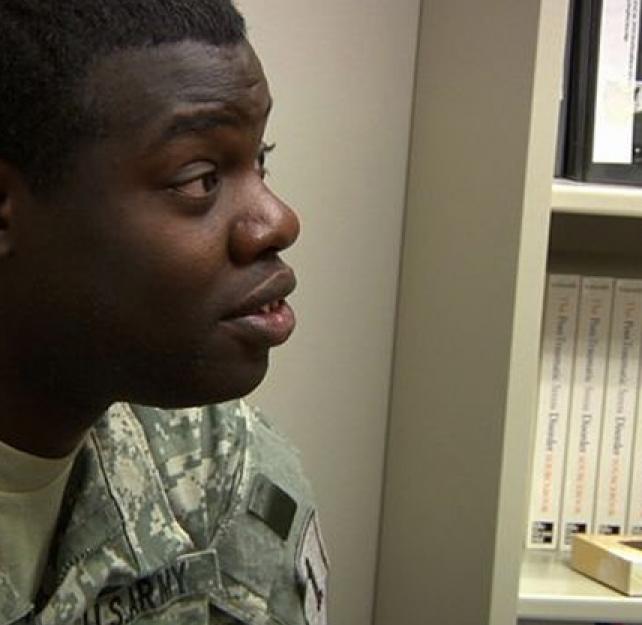
Along Recovery is an intimate portrait of TBI, the signature wound of Afghanistan and Iraq. This film documents the TBI recovery process from the perspective of four soldiers recently evacuated from combat operations.
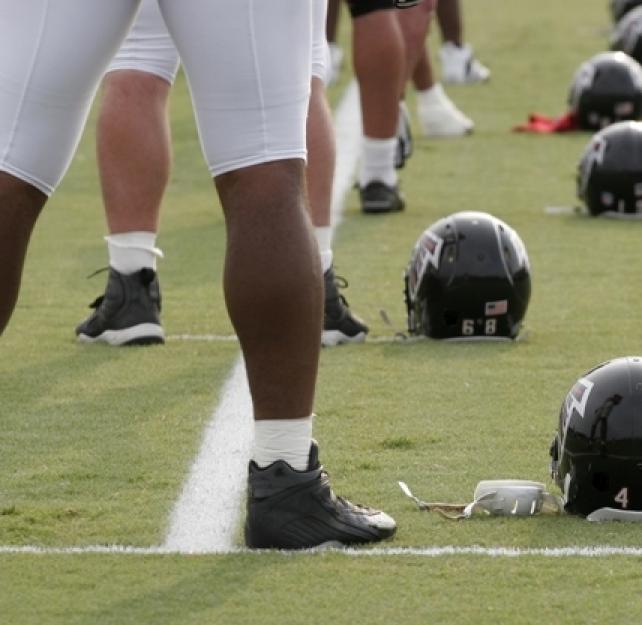
An athlete should never be returned to play after a concussion until all symptoms have been resolved and he or she has been cleared by a licensed provider.
Research for preventing and treating TBI includes the benefits of omega-3 fatty acids and the use of slosh mitigation — limiting the brain's ability to move around in the skull.
Taking the head out of football — and ice hockey and other contact sports — is easier said than done, but some rule changes would certainly decrease the number of sports-related brain injuries.
This national program will match recruited veterans' genomic information with their electronic medical records to help better individualize treament for TBI and other conditions.
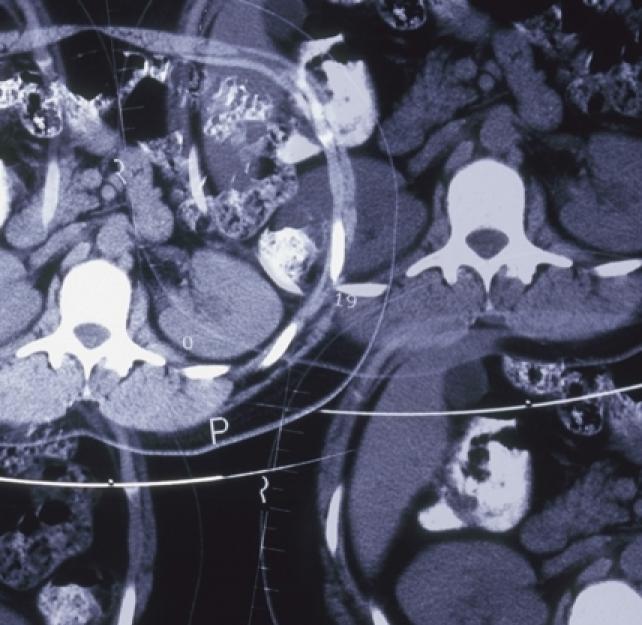
Diffusion Tensor Imaging shows the pathway water molecules follow in the brain. DTI can help experts better visualize the areas of injury in the brain.
Struggling with a brain injury can be frustrating and isolating. But you are not alone. Former Sgt. Adam Anicich and Staff Sgt. Reanita Gray (Ret) encourage others to find resources.
COL Hack arrived for his first assignment in theater in the Middle East the day before 9.11. His work multiplied, but his commitment to helping wounded soldiers remained his main interest.
Despite grievous wounds, including brain injury, survival rates are at an all-time high because of improved body protection and medical care from theater to hospital.
Understanding the biomechanics of the neck from injury is crucial for diagnosing and treating TBI. Learn why getting hit from the side is more damaging than getting hit straight on.
Increased awareness of the short- and long-term issues of TBI has helped improve programs for comprehensive TBI screenings and evaluations. But many treatments are still in the research phase.
When looking at the full-picture treatment for people with TBI, clinicians need to ask leading questions about issues including alcohol and caffeine use, intimacy or sexual issues, and suicide risk.
The standard medical guidelines published in 1995 have already significantly improved outcome, but more knowledge and change in doctors and the public is necessary to continue to improve outcome in people with TBI.
Much good basic science research has and continues to get done, but mostly in silos. Standardizing what is known in clinical practice would be the smart way to optimize care for people with TBI.