Use the filters to browse the information we have available or to narrow your search results for a specific audience (e.g. caregivers, military, children), a preferred type of content (e.g. videos, blogs, articles), or by topics of interest (e.g. family concerns, legal issues, symptoms).
Dr. Jeffrey Kreutzer talks about why it's important to talk openly with people affected by brain injury about emotional and psychological recovery in addition to medical and physical recovery.
“You’re supposed to rest after concussion.” This advice has been given countless times to patients recovering from concussion. How did we get here, what is the evidence that brought us here, and what does the evolving evidence actually tell us?
Many primary care physicians don't believe they are the right person to provide care for a person with a brain injury. Dr. David Arciniegas explains why this is not true.
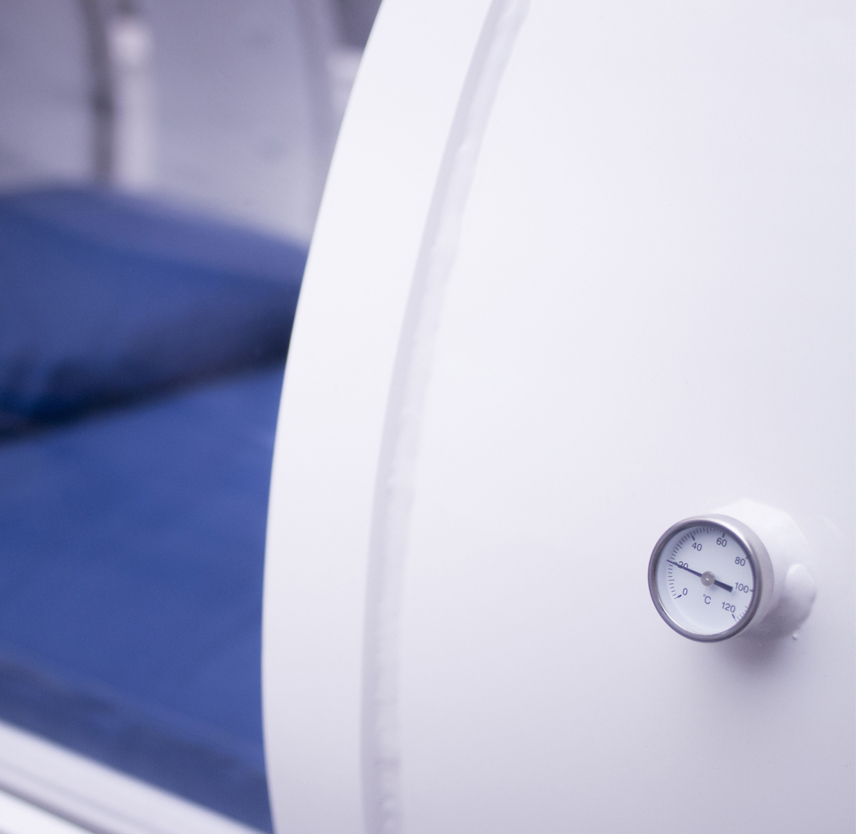
This review summarizes 40 years of clinical and pre-clinical research on the treatment of acute severe brain injury with hyperbaric oxygen therapy (HBO2).
Faced with a condition for which mainstream medicine has no satisfactory treatment, what should a reasonable and prudent person do? Accept the dismal verdict or cautiously explore alternatives?
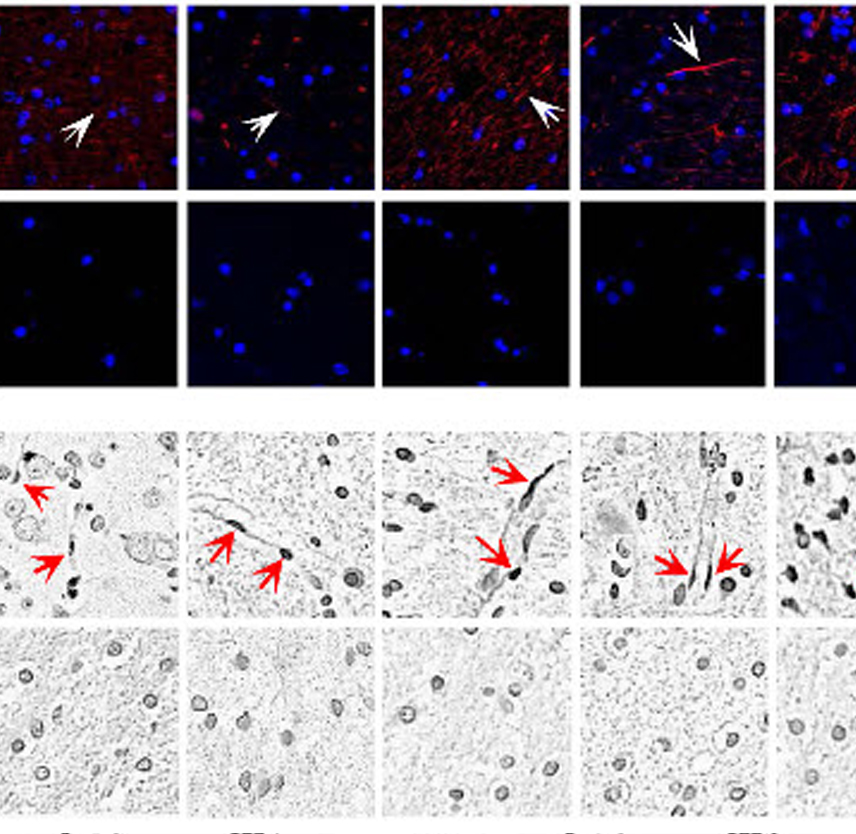
A Harvard Medical School study published in Nature Communications shows a molecular relationship between TBI and CTE but also a possible treatment mechanism — just not one that can be used to treat humans quite yet.
None of these challenges is blatant to the naked eye, but spend a bit of time with me, and you’ll learn soon enough that I’m not as normal as I look. Such is the nature of being invisibly disabled.
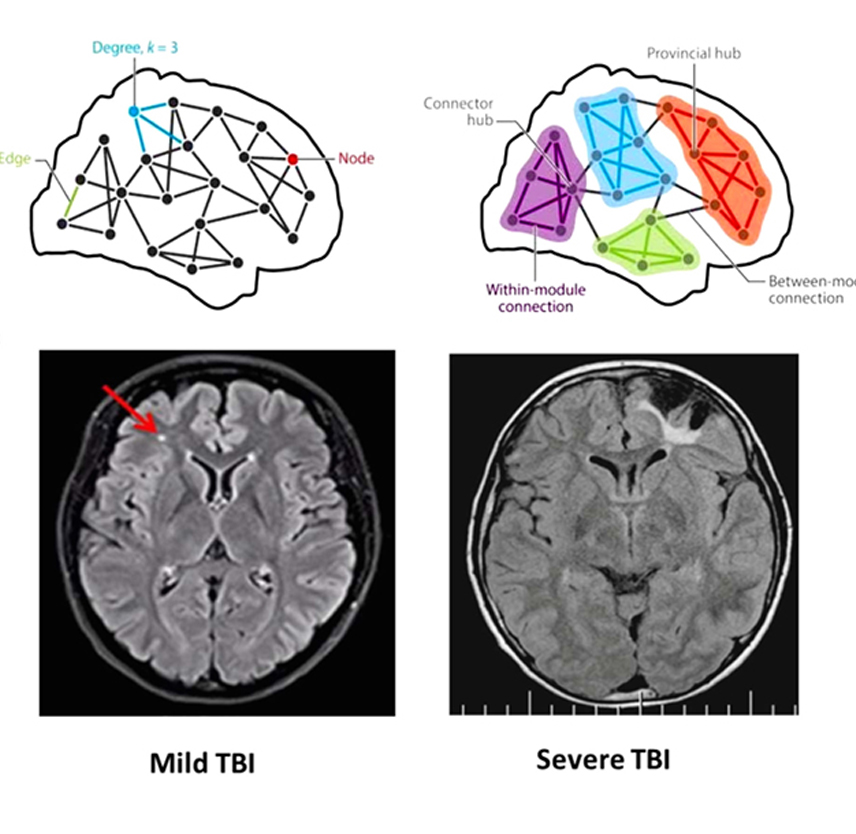
Understanding the puzzling and complex nature of concussion and how to treat it will take a whole new way of approaching the problem, according to new research led by Portland State University.
Study evaluates the use of phospho-tau levels, total-tau levels, and the phospho tau–total tau ratio as diagnostic and prognostic biomarkers in patients with traumatic brain injury.