Use the filters to browse the information we have available or to narrow your search results for a specific audience (e.g. caregivers, military, children), a preferred type of content (e.g. videos, blogs, articles), or by topics of interest (e.g. family concerns, legal issues, symptoms).
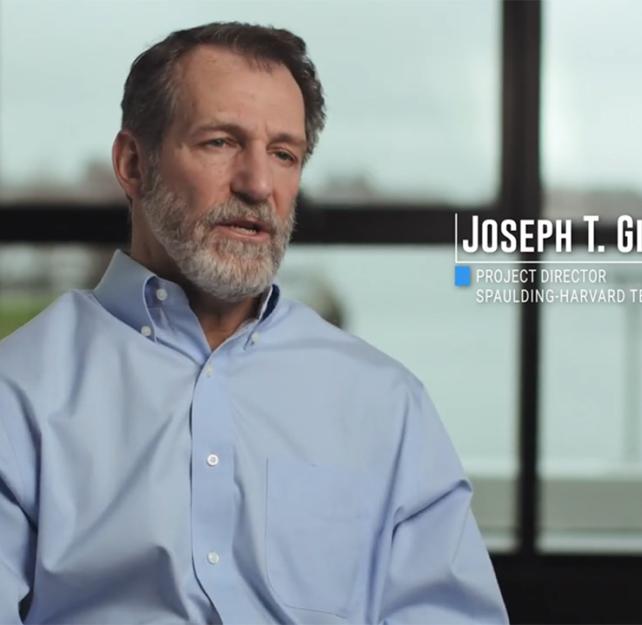
In this video, Joseph Giacino, PhD, explains why many people with disorders of consciousness struggle to access specialized inpatient rehabilitation—despite having significant potential for recovery.
Learn how one SLP uses melons, swim caps, and brain-shaped chocolates to teach kids how to prevent a TBI and all the communication problems that can come with one.
To be human is to grieve, and everyone grieves differently and in their own time. But there is a type of grief that many people experience that is less common, less talked about, but none the less real and painful. It’s called ambiguous grief or ambiguous loss.
The term “disorder of consciousness” (DoC) describes a group of conditions that involve difficulty with awareness that includes coma, unresponsive wakefulness syndrome/vegetative state, and minimal conscious state.
From all aspects of the pandemic, societal as well as scientific, we are still only months into learning the full scope of life after COVID-19. But I have a feeling that some people may be dealing with cognitive challenges for the rest of their lives.
Researchers show how even mild exposure to a single blast shock wave is able to induce small but potentially very meaningful pathogenic effects that accumulate with time.