Use the filters to browse the information we have available or to narrow your search results for a specific audience (e.g. caregivers, military, children), a preferred type of content (e.g. videos, blogs, articles), or by topics of interest (e.g. family concerns, legal issues, symptoms).
Our Miiltary Kids recognizes children for being brave despite their parent’s deployment and all the challenges — large and small — that can come with a parent’s recovery from combat injuries.
To be human is to grieve, and everyone grieves differently and in their own time. But there is a type of grief that many people experience that is less common, less talked about, but none the less real and painful. It’s called ambiguous grief or ambiguous loss.
State-level resources and supports have a small but significant impact on outcomes following serious TBI. Better Long-Term Services and Supports increase community participation and life satisfaction.
A new study published in Neurology dispels the notion that "mild" concussions have no lasting impact on mental skills like thinking, remembering, and learning. Poor cognitive outcomes are common 1 year after injury.
Amazingly, this is my 100th article for Brainline, and I want to share some of the things I’ve learned along the way — things I wish someone had told me early on. Some are painful truths that took me time to accept, others unexpected joys and blessings that have come with the journey.
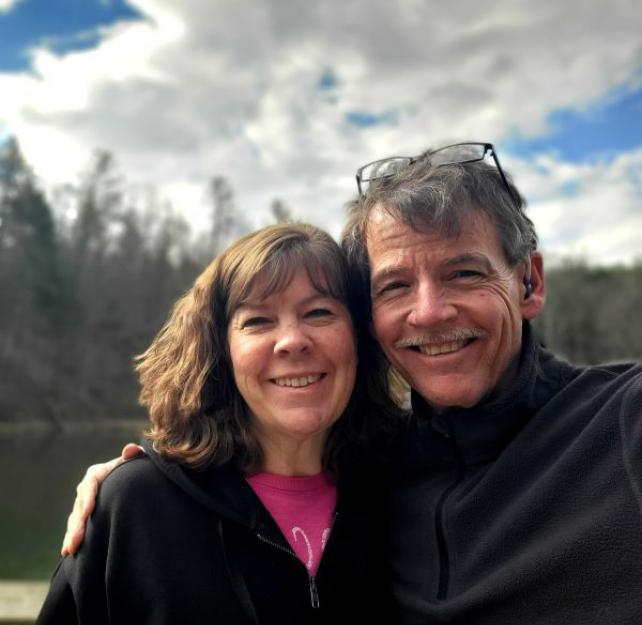
It’s not a stretch to say that without my sife, Sarah, I never would have made it. While I can be overly dramatic — as she can attest — I need to get serious for a moment. No kidding around: the early years after my brain injury sucked. In fact, they were the worst years of my life.
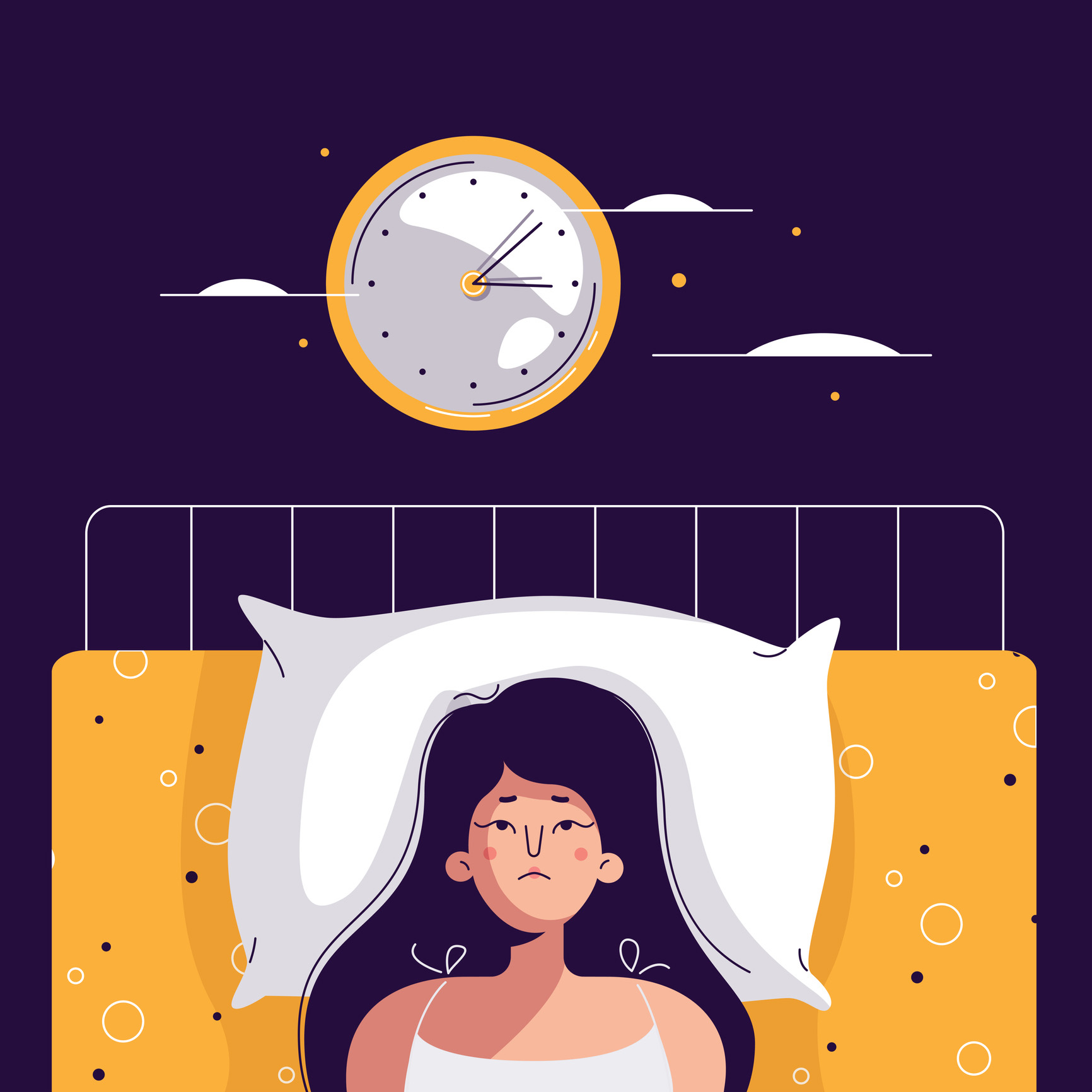
What is the natural history of insomnia in the 12 months after traumatic brain injury (TBI)? In the analysis of over 2,000 adults from a large cohort study, insomnia was common during the 12 months after TBI and should be assessed early in recovery.
Intimate partner violence (IPV) affects up to 1 in 3 women over their lifetime and has intensified during the COVID-19 pandemic. Although most injuries are to the head, face, and neck, the intersection of IPV and brain injury (BI) remains largely unrecognized. This article reports on unexplored COVID-19–related impacts on service providers and women survivors of IPV/BI.
This training is designed for anyone interested in learning about how the brain operates, what happens when it’s injured, and how yoga and meditation can be used for healing.
Businesses, restaurants, and other establishments including, ironically, the VA, should become more educated about service dogs and the Americans with Disabilities Act.
Being organized and having a routine makes each day smoother for Natalie Vines who has TBI and PTSD and for her caregiver husband and fellow vet, Brian Vines who also has PTSD.
Many non-profits have helped Brian Vines, a military veteran with PTSD and fulltime caregiver for his veteran wife with TBI and PTSD, over the last decade.
Natalie Vines—who sustained several TBIs in combat and who has PTSD—found great strength from attending a two-week immersive PTSD program through the Wounded Warrior Project.
People often say that Brian and Natalie's story of injury, caregiving, and retirement from the military is a tragedy. But for them, it's more of a love story.
During their time apart on deployments, Brian and Natalie Vines stayed connected via skype, social media, and hand-written letters, which helped their love endure and burgeon.