Use the filters to browse the information we have available or to narrow your search results for a specific audience (e.g. caregivers, military, children), a preferred type of content (e.g. videos, blogs, articles), or by topics of interest (e.g. family concerns, legal issues, symptoms).
In the past, Russ and I would celebrate across oceans and time zones, sometimes a half hour off. Yes, really. Afghanistan is nine-and-a-half hours ahead of the east coast, 10-and-a-half from Texas. It was wild trying to sync up schedules but I would never turn down a 3AM-my-time video chat. I am grateful we don’t have to contend with that any longer. But Russ being home hasn’t made the transition from 2021 to 2022 any easier.
Due to its relatively brief course of treatment, written exposure therapy may be a more efficient method in reducing PTSD symptoms among U.S. military members, according to a randomized clinical trial published in JAMA Network Open.
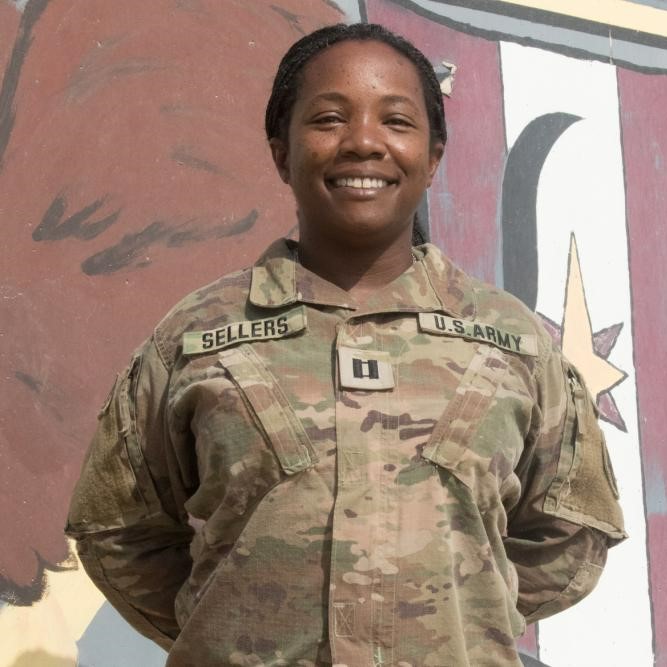
Capt. Dawn D. Sellers knows she can’t save the world, but prays she can at least reach a couple of Soldiers during her time here. The psychiatric mental health nurse practitioner has been deployed here since May working at the 3rd Medical Command’s Gaining Resilience in Theater, or GRIT, Clinic here practicing battlefield acupuncture and providing supportive therapy and psychoeducation—therapeutic intervention that provides Soldiers with tools to help them heal.
Relationships after a life-altering injury or diagnosis is, well, weird. Some people will stand by you no matter what. Hold on to them and let them know, often, how grateful you are that they are in your life. Others, even family—no, especially family—are not so loyal.
For accountants, it’s tax time; for teachers, it’s September. And for therapists, the busiest time of year is the holidays. Every therapist knows that the winter holiday season is rife with pain, angst and grief.
Caring for a recovering service member can be hard. It can take on an added level of difficulty and stress when, as is often the case, that person is a friend, family member or loved one. Without time to recharge, burnout is a very real risk.
Businesses, restaurants, and other establishments including, ironically, the VA, should become more educated about service dogs and the Americans with Disabilities Act.
Being organized and having a routine makes each day smoother for Natalie Vines who has TBI and PTSD and for her caregiver husband and fellow vet, Brian Vines who also has PTSD.
Many non-profits have helped Brian Vines, a military veteran with PTSD and fulltime caregiver for his veteran wife with TBI and PTSD, over the last decade.
Natalie Vines—who sustained several TBIs in combat and who has PTSD—found great strength from attending a two-week immersive PTSD program through the Wounded Warrior Project.
People often say that Brian and Natalie's story of injury, caregiving, and retirement from the military is a tragedy. But for them, it's more of a love story.