Use the filters to browse the information we have available or to narrow your search results for a specific audience (e.g. caregivers, military, children), a preferred type of content (e.g. videos, blogs, articles), or by topics of interest (e.g. family concerns, legal issues, symptoms).
Hope—love—tenacity—go for it—get mad, let yourself be sad—but don’t let the madness or sadness swallow you. These were repeated themes, said in a thousand ways for a thousand reasons. These are the messages we need to hear again and again.
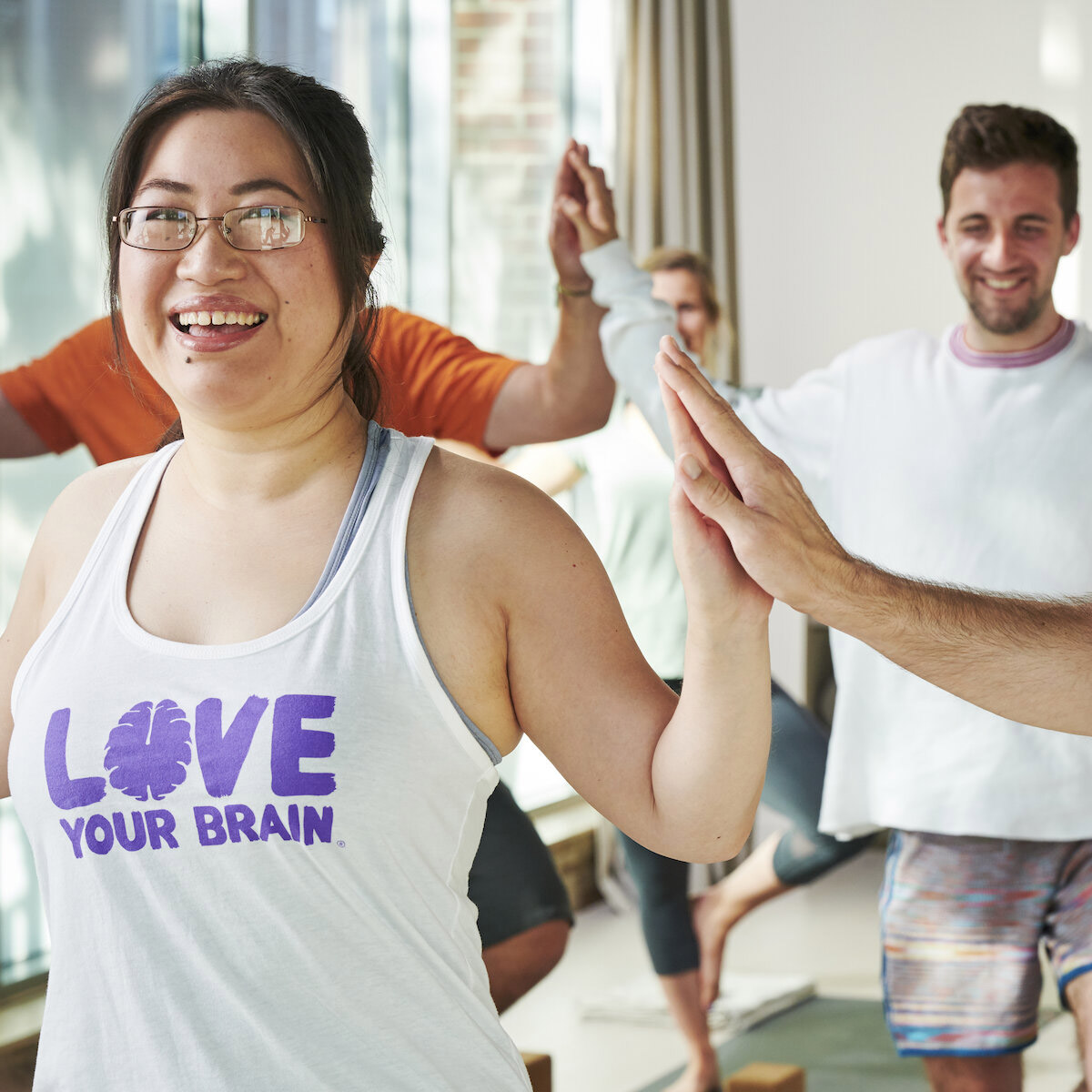
LoveYourBrain Retreats is a novel, free, five-day multimodal program designed to benefit people with traumatic brain injury (TBI) and their caregivers. This study showed the integration of mindfulness, gentle yoga, brain health nutrition, art therapy, and community is an effective rehabilitation model to improve quality of life and has significant potential for expanding access to complementary therapy after TBI.
Almost 12 years ago my life changed forever as I joined the brain injury club, a club that no one ever expects — or wants — to be part of. And early on, the phrase “recovery is lifelong” completely and totally annoyed me. I had always been and remain a classic Type A personality. So, it comes as no surprise that I wanted no part of the “recovery is lifelong” model of living out the rest of my life. My plan was to get over my brain injury and move on.
For years, I measured my recovery by external gains. I looked for tasks that I could do better and longer. This was easily quantifiable data. I recently took some time to take stock of my growth over this past year. And what I saw surprised me. In fact, it was a completely unexpected revelation.
Depression can sometimes be a double-whammy. While depressed, you don’t have the energy or confidence to do what you need to do to try to feel better. Here are a few strategies that people with post-TBI depression have suggested.
None of these challenges is blatant to the naked eye, but spend a bit of time with me, and you’ll learn soon enough that I’m not as normal as I look. Such is the nature of being invisibly disabled.
Selecting a rehab facility is a crucial decision. It should not be rushed. There are hundreds of rehabilitation programs. They vary considerably in the philosophy, quality, and variety of the services they offer.
"The truth is I was so lonely I was worried I was going crazy. At night, I would close my eyes and silently speak to the husband who no longer existed," writes caregiver Abby Maslin.
It’s not a stretch to say that without my sife, Sarah, I never would have made it. While I can be overly dramatic — as she can attest — I need to get serious for a moment. No kidding around: the early years after my brain injury sucked. In fact, they were the worst years of my life.