Use the filters to browse the information we have available or to narrow your search results for a specific audience (e.g. caregivers, military, children), a preferred type of content (e.g. videos, blogs, articles), or by topics of interest (e.g. family concerns, legal issues, symptoms).
Sometimes it feels like I am a single parent. That breaks my heart to say because my husband really is a fantastic parent as long as he’s not triggered or having a chronic pain flare-up.
Using data from ongoing research studies on the efficacy of treatments and interventions for PTSD, chronic pain, depression, TBI, and substance abuse is crucial when helping current and future patients. Most importantly, data shows that PTSD is highly treatable.
Emory Healthcare Veterans Program’s two-week PTDS Treatment intensive for post-9.11 vets is a convenient and effective means for people to get needed treatment for PTSD, TBI, depression, chronic pain, and substance abuse from home. The results are the same whether accessing care via telehealth or on site.
Acupuncture can be highly effective in treating a wide range symptoms associated with traumatic brain injuries, such as depression, anxiety, insomnia, and headaches.
Researchers published, what they say is the first case of a living person identified with the degenerative brain disease, chronic traumatic encephalopathy, or CTE.
For accountants, it’s tax time; for teachers, it’s September. And for therapists, the busiest time of year is the holidays. Every therapist knows that the winter holiday season is rife with pain, angst and grief.
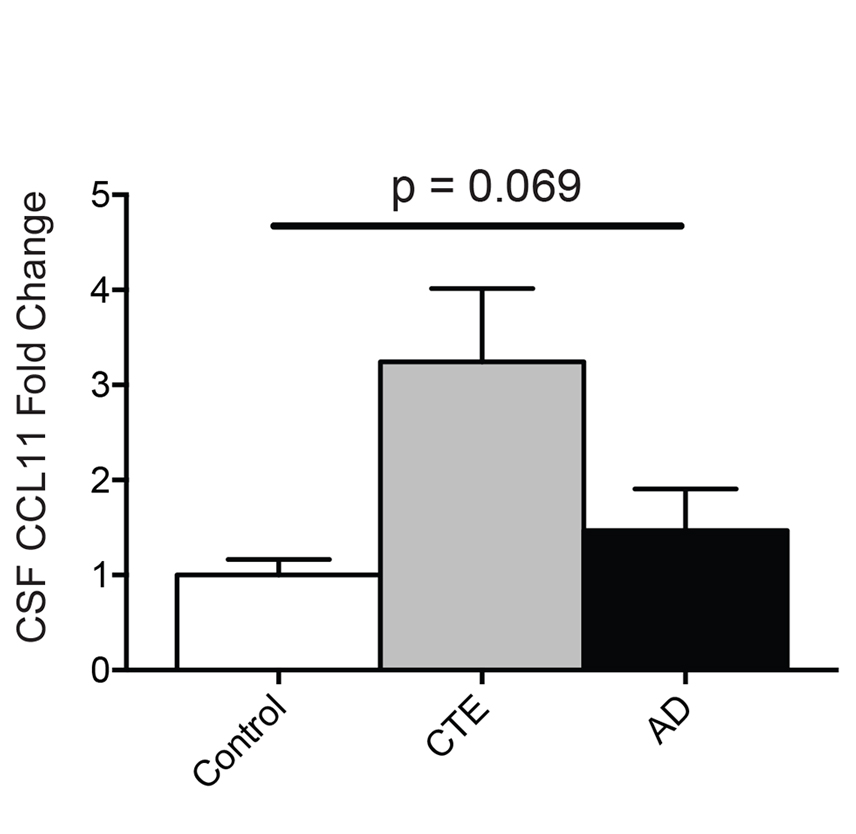
A new biomarker (CCL11) for chronic traumatic encephalopathy (CTE) has been discovered that may allow the disease to be diagnosed during life for the first time.
A study designed to measure exosomal and plasma levels of candidate blood biomarkers in veterans with history of mild traumatic brain injury (mTBI) and test their relationship with chronic symptoms.
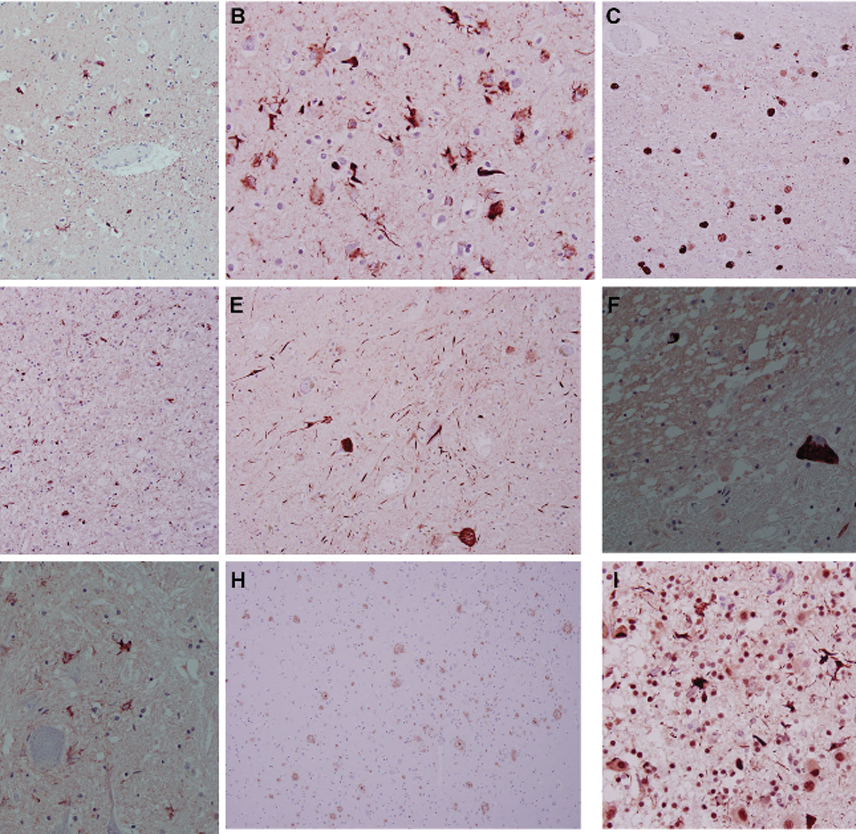
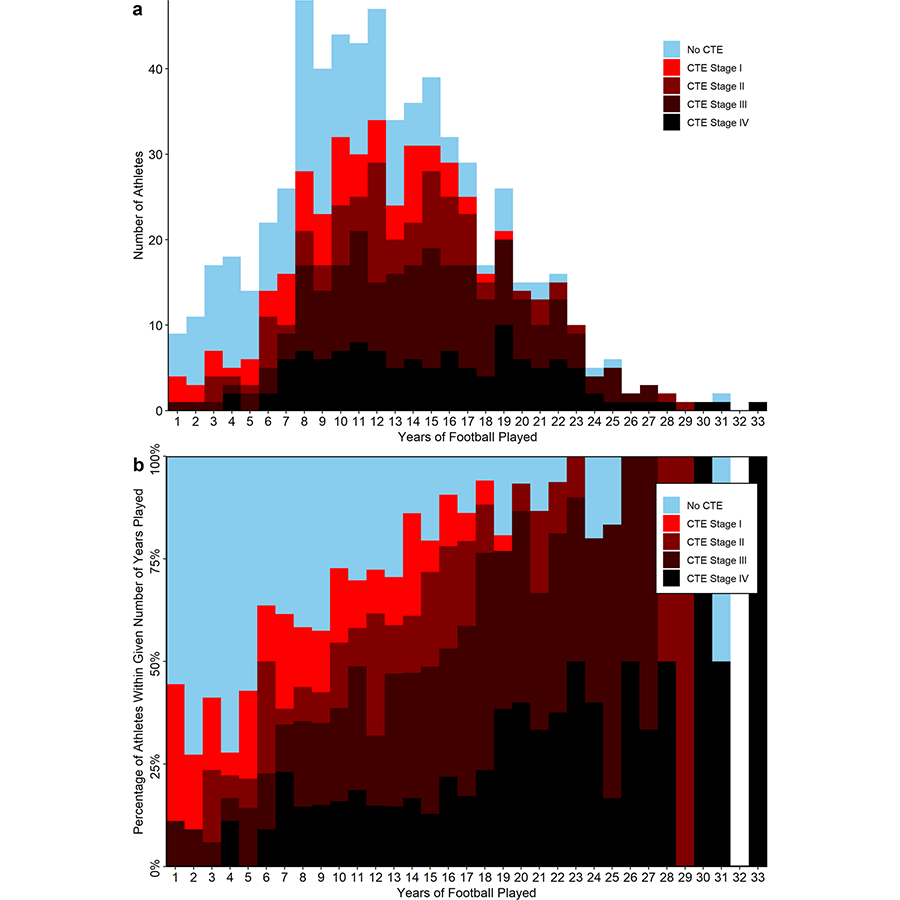
Chronic traumatic encephalopathy (CTE) is a neurodegenerative tauopathy associated with repetitive head impacts. These findings implicate cumulative head impact intensity in CTE pathogenesis.
A traumatic brain injury or repeated brain traumas can sometimes lead to chronic traumatic encephalopathy, Parkinson’s, multiple sclerosis, astrogliosis, or other neurogenerative conditions. Since researchers are still learning about the progression of these diseases, which can stem from repeated TBIs, providers are currently trying to plan and address how to change their model of care to best help veterans and their families in the long term.
I can’t believe that I’m coming up on seven years out. As time continues to pass, my perspectives change, and my insight deepens. Sometimes I forget that those close to me still hurt. In the reflection of their inner pain, I see my injury for what it really is.
This month has been a whirlwind of pain, triggers, and generally not great behavior from both Russ and myself. Our eldest daughter, Elizabeth Shade-Ware, died unexpectedly in her sleep. Suffice it to say, I am a wreck...
When my husband suffered a catastrophic brain injury at age 29, I rarely appreciated being told that God had a plan for us. I certainly didn’t want to be coached to keep my eye on the prize or to search for those silver linings. I wanted to cry out in pain and to sit in it for a moment. I simply wanted it to be what it was: hard. And I wanted that to be OK with everyone else too.
If there is a root to my pain, it is in this … I miss my son. I miss who Taylor was, and who we were as a mother and son. I am grieving someone who lives with me, who I see everyday. I felt as if I was losing more of Taylor, day by day.
There is great hope and are effective cures to treat people who experience symptoms from trauma or PTSD. Often people have the misperception that PTSD is a chronic, life-time condition. Not so; with treatment, most people can be cured or helped to manage their symptoms so as to return to a productive life.
You don’t see it. There’s no blood, no pain. Even though players may not be immediately affected, we’re learning that those thousands of hits provoke neurogenerative disease. Dr. Ann McKee explains.
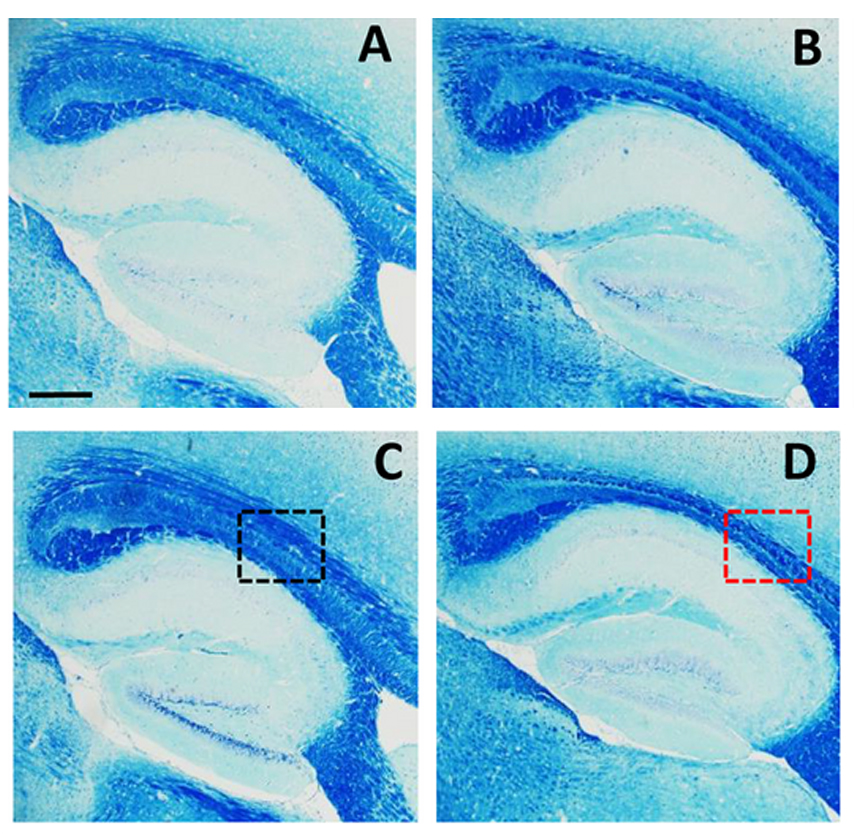
Study establishes the first comprehensive profile of the chronic behavioral and neuropathological consequences of single and repetitive mild traumatic brain injury over the lifespan of an animal.