Use the filters to browse the information we have available or to narrow your search results for a specific audience (e.g. caregivers, military, children), a preferred type of content (e.g. videos, blogs, articles), or by topics of interest (e.g. family concerns, legal issues, symptoms).
Disasters affect people who experience and respond to the event. Natural and technological disasters impact survivors, bereaved family members, witnesses to the event, and friends of those involved.
"Sometimes, the only answers to our problems lie within us.... The first step is knowing they are there, inside us, waiting to be found," says caregiver Rosemary Rawlins.
Over the last couple of years, I’ve discovered mindfulness and have learned the value of living life “in the moment.” It’s a learned skill that has enabled me to find peace in my life. In what amounts to almost an irony, I no longer have much of my past to recall. The future never really comes. By circumstance, rather than any virtue, I am now forced to live in the moment.
Rosemary talks with Electra Liatos, a certified massage therapist, whose "fingers of love" have done just as much healing for Hugh and Rosemary as any other medicine.
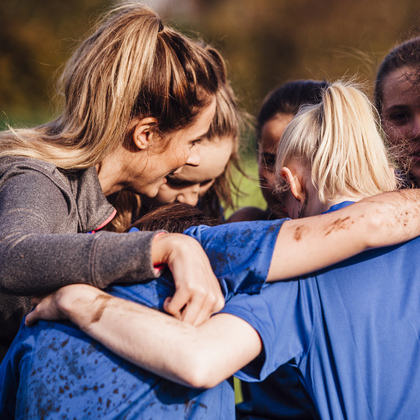
Female athletes are more susceptible to sport-related concussions (SRCs) and experience worse outcomes compared with male athletes. Although numerous studies on SRC have compared the outcomes of concussions in male and female athletes after injury, research pertaining to why female athletes have worse outcomes is limited.
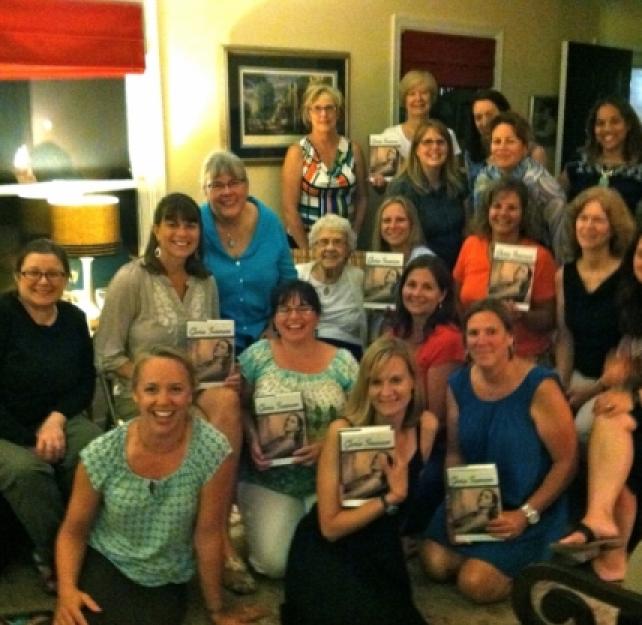
Joining a group — any group you connect with — can help stave off depression for a person with TBI and his or her family caregivers, says BrainLine blogger Rosemary Rawlins.
"Life and living is the very definition of surviving. It is what the living do. Definitions are meant to change. Able to change. For the brain injured, begging to change. What does it mean to you to have survived?"
Relationships after a life-altering injury or diagnosis is, well, weird. Some people will stand by you no matter what. Hold on to them and let them know, often, how grateful you are that they are in your life. Others, even family—no, especially family—are not so loyal.
We imagine the what-ifs as a worst case scenario, our worst nightmare happening to us, our life falling apart. But here’s another way of looking at it.
"It’s my personal belief that the quality of fulltime care someone with TBI receives during the first two years post injury has the potential to greatly impact outcome."
As weeks and then months went by, the monitors were gradually removed and it became more important for family and friends to communicate with nursing staff regarding Josh's neurostorms.
It’s been six and a half years since I began this brain injury journey. Or, to compute, 2,372 days, 56,928 hours, 3,415,680 minutes. As I think back, I take pride in each of those days (the bad ones included), remembering too vividly a time in which I was convinced we couldn’t make it at all.
Social isolation and loneliness are increasingly becoming societal problems, as they contribute to polarization and affect our physical health. Mental health professionals, community advocates and health-care providers have been raising the alarm about this impending crisis.