Use the filters to browse the information we have available or to narrow your search results for a specific audience (e.g. caregivers, military, children), a preferred type of content (e.g. videos, blogs, articles), or by topics of interest (e.g. family concerns, legal issues, symptoms).
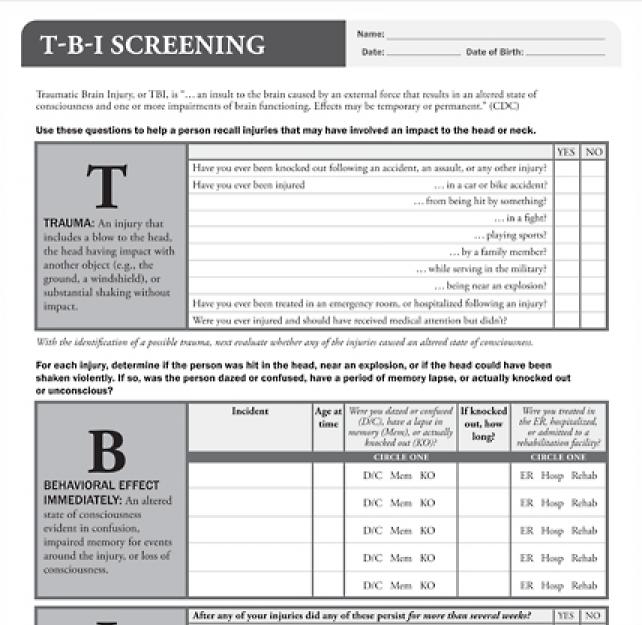
This tool can provide you with questions to ask when screening for a TBI, but remember that the interview should flow like a natural dialogue between you and the patient.
Connor Martin believes that donating his brother Kevin Ash's brain made a difference in how his family coped with Kevin's altered behavior and death after receiving traumatic brain injuries (TBIs).
Because traumatic experiences are frequently unresolvable or difficult to make sense of, the stories we tell about them lack a resolution as well. I’m reminded, for example, of a story relayed to Michael Herr, a war correspondent who spent a year in Vietnam and later wrote a book titled Dispatches about his experiences there. (He also co-wrote Full Metal Jacket with Stanley Kubrick.)
A two-week program for veterans and services members who have PTSD and other mental health issues, Rush Medical Center's Road Home is intense, fast, and efficient. Through evidence-based studies and experience, providers have found that this two-week intensive is far more effective than traditional therapy to help with symptom remission and increases in resilience.
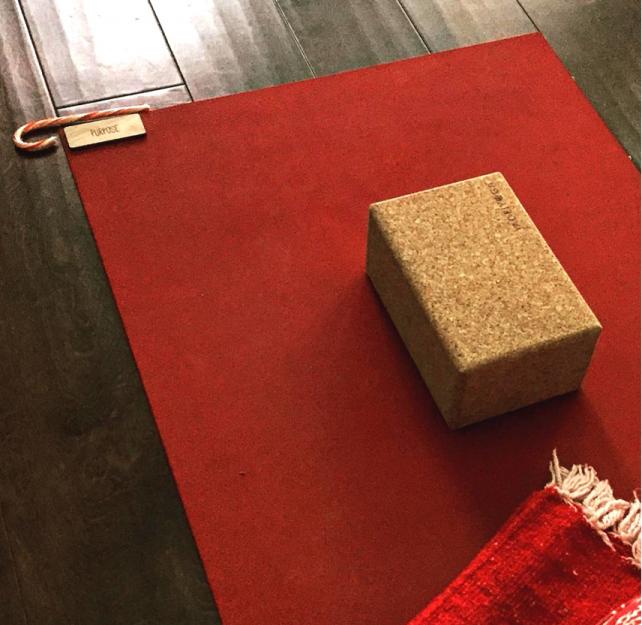
What do you need? You, meaning you reading this blog. Because I promise that there is a way that a yoga practice can give you part of what you need—if not all of it. And I rarely make promises. Ask me. Test me. Try me.
These words are part of my caregiving truth. Even though they are messy and imperfect, they are full of love. For you. For me. For the caregivers dealing with moments they can’t bring themselves to share, or those who want to cry, but find their tears have run dry.