Use the filters to browse the information we have available or to narrow your search results for a specific audience (e.g. caregivers, military, children), a preferred type of content (e.g. videos, blogs, articles), or by topics of interest (e.g. family concerns, legal issues, symptoms).
"I just wanted to turn off the 600 TV sets that were going on all the time in my head." Hear Maj. Jeff Hall's story that went from thoughts of suicide to finding his way back to his family and life.
Using animal models in the lab to study the mechanisms of blast-related brain injury, researchers like Dr. Lee Goldstein are feeling optimistic that their findings will lead to viable treatments.
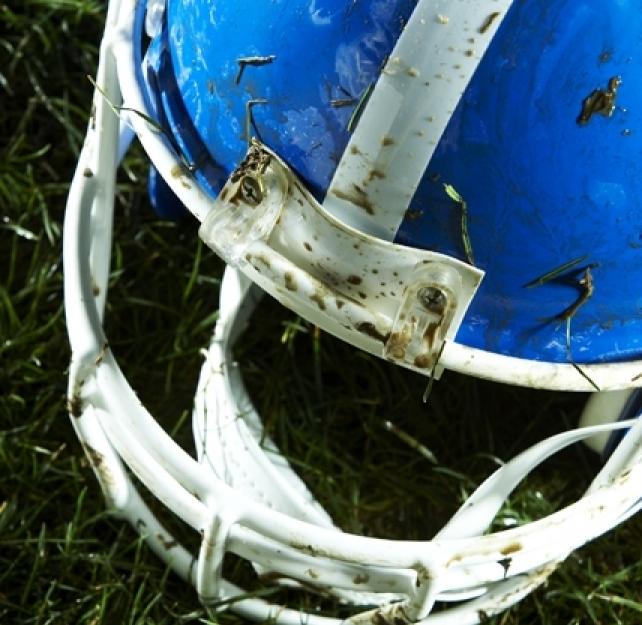
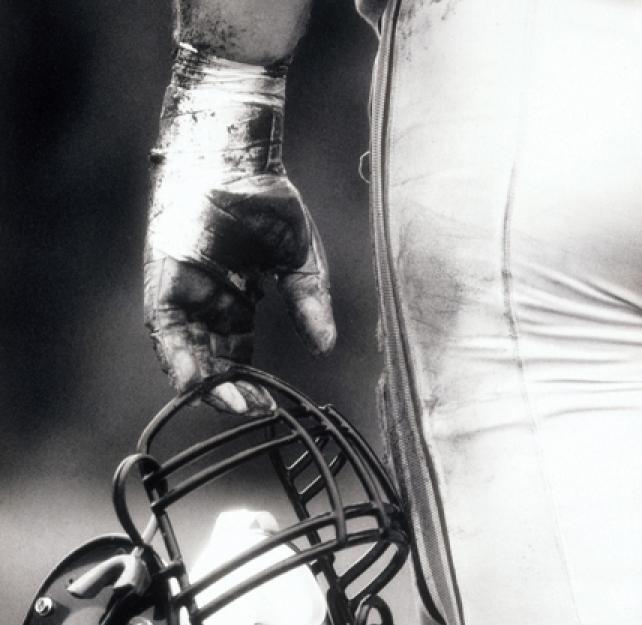
Researchers like Dr. Lee Goldstein are studying the effects of repetitive brain injury whether sustained over a season on the football field or in milliseconds from one combat blast.
The NFL and the military are currenty testing how better to detect and understand concussions through various mechanisms like sensors in helmets, mouthpieces, and earpieces.
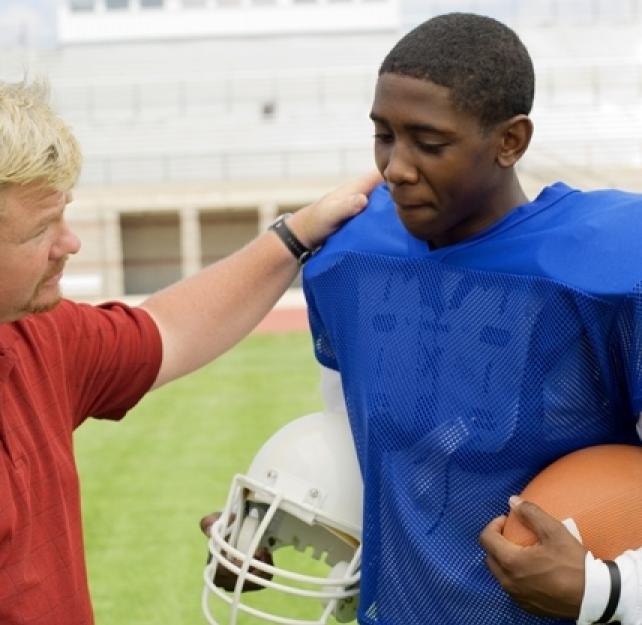
After 9.11 with the service members returning home with TBI and PTSD plus concussed athletes at all levels making the news, awareness of TBI started to bubble more rapidly.
NFL Head, Neck, and Spine Committee Co-Chair Dr. Richard Ellenbogen talks about the lack of a definitive tool to diagnose brain injury, but what techniques we do have to keep athletes safe.
It is powerful — and important for recovery — for people with TBI to hear and share their stories and coping mechanisms with each other after brain injury. Retired Navy Commander Bernadette Semple shares her experiences.
Among other key strategies, Retired Navy Commander Bernadette Semple learned that making a detailed schedule each day and sticking to it is crucial for success after brain injury.
Retired Navy Commander Bernadette Semple had always been an intelligent and highly motivated person. She applied those qualities to the rehabilitation of her brain and her back.
The NICoE has $10 million worth of neuroimaging equipment for evaluating TBI and psychological health issues, most importantly, the MRI, the PET scan, and the MEG.
Neuroimaging the brain with a MEG can show, in real time, how damage to the brain can interrupt, slow, or stop communication from one part of the brain to other parts.
Many experts collaborated on the plan for the National Intrepid Center of Excellence with the goal of creating an objective measure to better characterize brain injury, and then treat it.
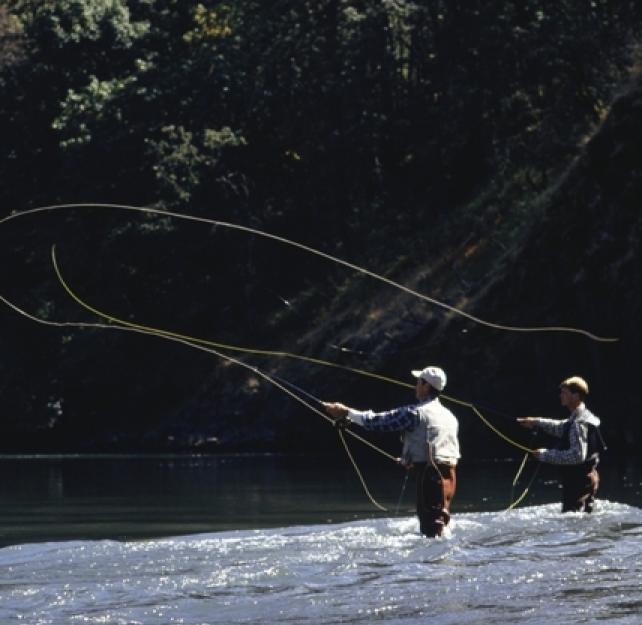
Healthcare providers can help vets with TBI and combat stress find other ways than pharmaceuticals to help in recovery — from riding horses to kayaking with other vets.
Dr. Shane McNamee talks about helping each veteran transform from a patient with complex injuries back to an individual with many roles — Marine, father, husband, son, athlete, artist ...