Use the filters to browse the information we have available or to narrow your search results for a specific audience (e.g. caregivers, military, children), a preferred type of content (e.g. videos, blogs, articles), or by topics of interest (e.g. family concerns, legal issues, symptoms).
Surgical and non-surgical interventions for TBI, especially those that are more severe, hinge on accurate diagnosis. More research is needed to fine-tune how TBIs are diagnosed, in ERs and in theater.
For mild TBIs, making a clear diagnosis can be difficult. There are CT scans and physical and neuropsych evaluations. But in the future there may be simple, revealing blood tests.
Getting to an ER is crucial after a TBI, especially for an injury that is on the more severe side. The quicker doctors can do a CAT scan of the brain, the quicker they can act on their diagnosis.
Diffuse axonal injury affects nerve fibers, which can lead to a disruption in nerve communication — affecting a person's physical and cognitive abilities.
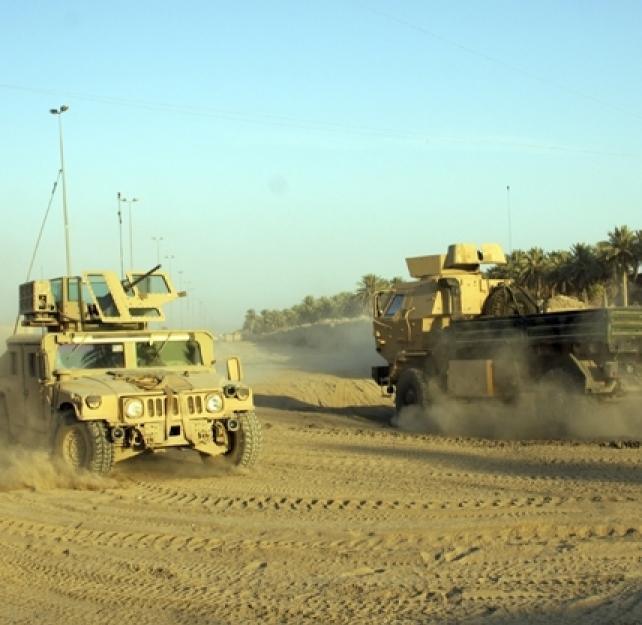
Ten years of combat in Iraq and Afghanistan have created an epidemic of PTSD and TBI in service members, sailors, and airmen. Treatments run the gamut from yoga to drugs. Learn more.