Use the filters to browse the information we have available or to narrow your search results for a specific audience (e.g. caregivers, military, children), a preferred type of content (e.g. videos, blogs, articles), or by topics of interest (e.g. family concerns, legal issues, symptoms).
Children have a unique experience of PTSD and TBI -- they're young, they may not fully understand what is going on, and they are usually are not provided the information they need. Dr. Stephen Cozza discusses the different ways a parent's brain injury and/or PTSD may affect children.
Every now and again, someone will ask me how I’m sleeping these days. My reply has remained unchanged for several years. “I’ve not slept a full night since 2010.” — David Grant
From the frontal lobe (which houses our emotions) to the amygdala (which oversees our fight or flight response), Michael Roy, MD, Col. (Ret.) explains how parts of the brain are affected when injured by brain injury or a traumatic experience.
Neurologist and sleep medicine physician Anthony Panettiere talks about the need to get your thoughts and feelings out of the way in order to reach the imagery stage that leads to sound sleep.
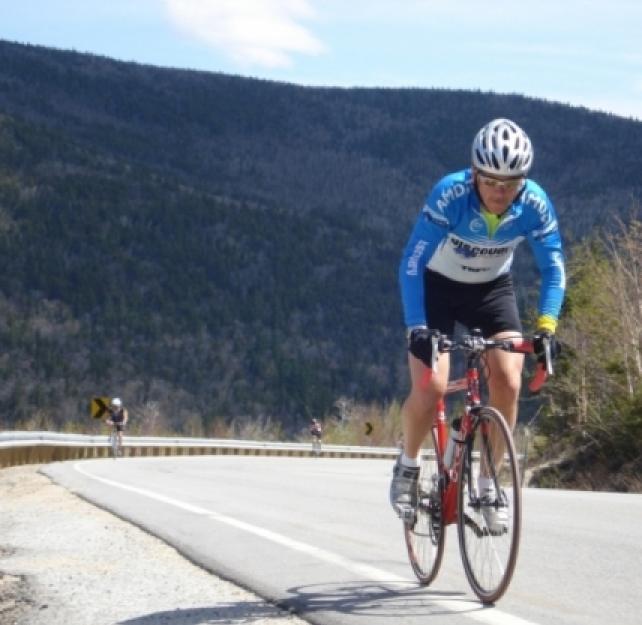
"The real eye-opener was how long it has taken me to realize that the light at the end of the tunnel is not a train," says David Grant about recovering from his TBI.
It’s easy to confuse post-traumatic stress (PTS) and post-traumatic stress disorder (PTSD). In addition to sharing similar names, there’s considerable overlap in symptoms between the two conditions.