Use the filters to browse the information we have available or to narrow your search results for a specific audience (e.g. caregivers, military, children), a preferred type of content (e.g. videos, blogs, articles), or by topics of interest (e.g. family concerns, legal issues, symptoms).
It took a few minutes to go over my medical history as we sat in his exam room. He took a few notes, listened to our story, took a few more notes, and asked a question or two. He then looked us square in the eyes and uttered four words. “I can fix you.”
If you are anything like me, when you or your loved one are first given a diagnosis, you research. There is so much information available online, it can be overwhelming or frustrating to know which is accurate, but I find research helpful in being able to report or advocate to doctors for both myself and my loved ones.
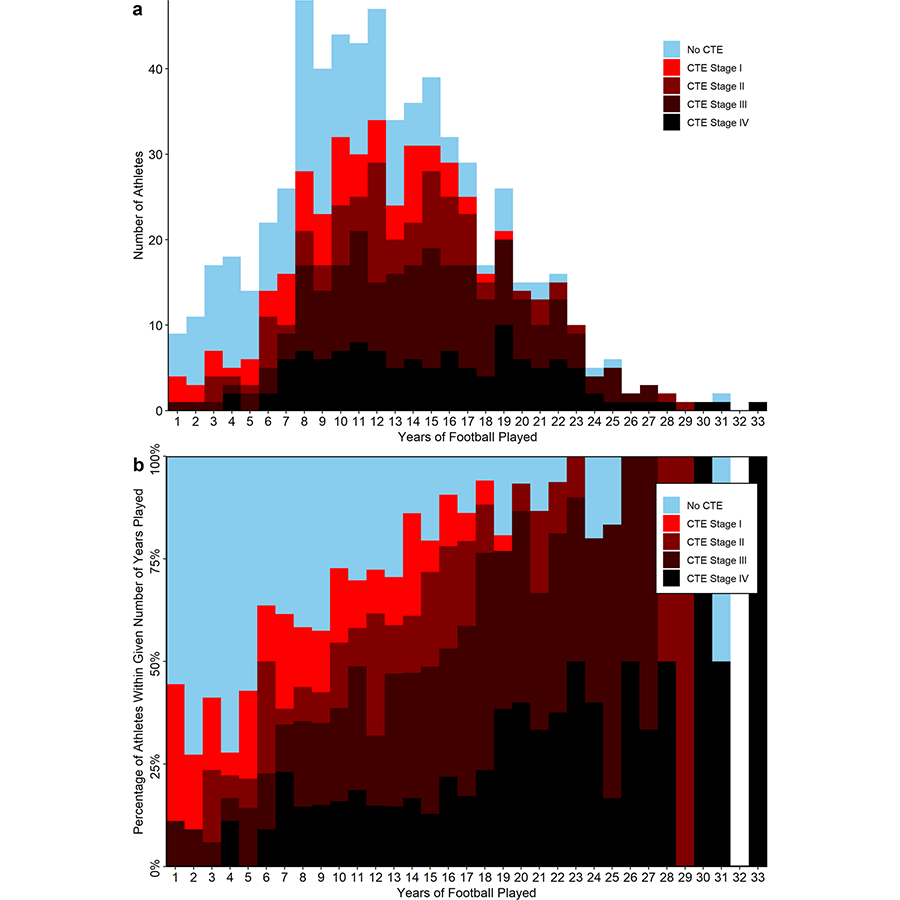
In this case series of 152 contact sport athletes younger than 30 years at the time of death, chronic traumatic encephalopathy (CTE) was found in 63 (41.4%), with nearly all having mild CTE (stages I and II).
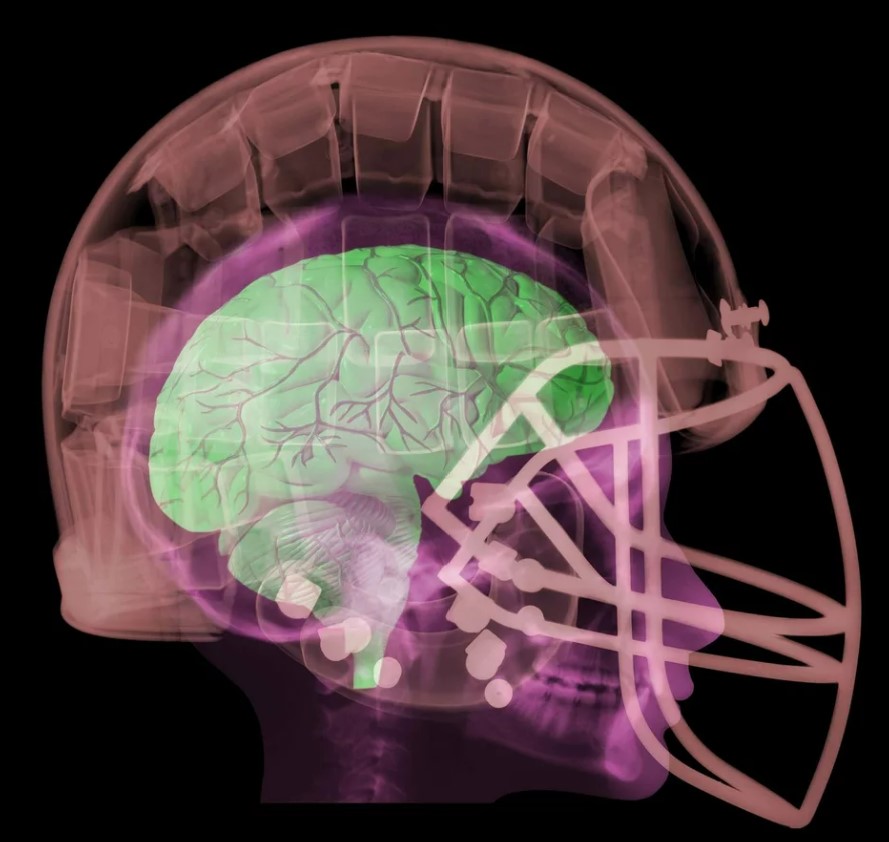
Chronic traumatic encephalopathy (CTE) is a neurodegenerative tauopathy associated with repetitive head impacts. These findings implicate cumulative head impact intensity in CTE pathogenesis.
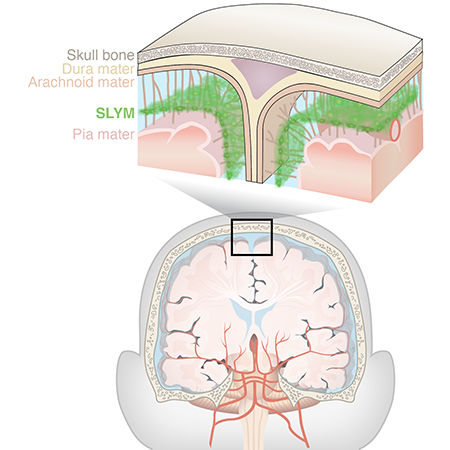
The traditional view is that the brain is surrounded by three layers, the dura, arachnoid, and pia mater. Møllgård et al. found a fourth meningeal layer called the subarachnoid lymphatic-like membrane (SLYM). SLYM is immunophenotypically distinct from the other meningeal layers in the human and mouse brain and represents a tight barrier for solutes of more than 3 kilodaltons, effectively subdividing the subarachnoid space into two different compartments. SLYM is the host for a large population of myeloid cells, the number of which increases in response to inflammation and aging, so this layer represents an innate immune niche ideally positioned to surveil the cerebrospinal fluid.
The human brain is a three-pound organ that remains largely an enigma. But most people have heard of the brain’s gray matter, which is needed for cognitive functions such as learning, remembering and reasoning.
The brain is the organ that orchestrates all the diverse functions and complex decisions that take place in biological systems. Despite its critical nature, it is equally as fragile: the neurons that make up the brain do not regenerate like many other cell types.
After sustaining a spinal injury as a teenager, Dr. Mary Alexis Iaccarino changed the trajectory of her future. She spent months and years in rehab for her neurological injury then went on to become a physiatrist who specializes in treating and rehabilitating people with the most clinically complex cases of sports concussion, traumatic brain injury, and repetitive head trauma. When she treats veterans and service members, she harkens back to her own experiences, encouraging them toward second careers and full lives even with a TBI.
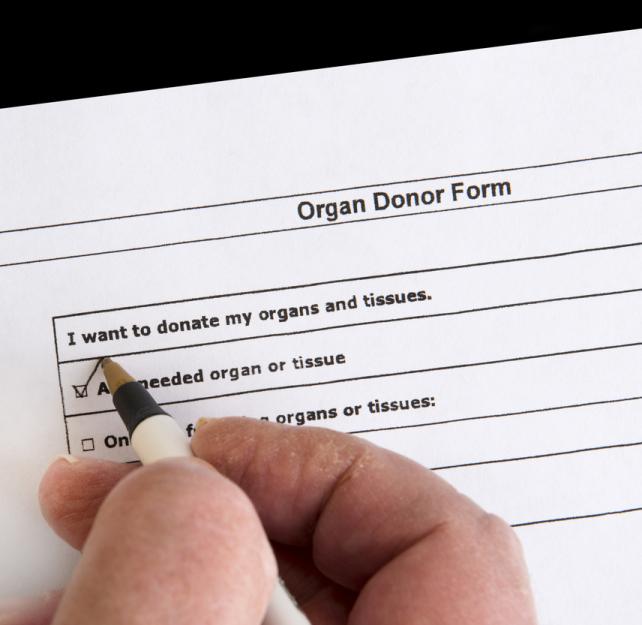
Connor Martin believes that donating his brother Kevin Ash's brain made a difference in how his family coped with Kevin's altered behavior and death after receiving traumatic brain injuries (TBIs).
Kevin Ash, a veteran, felt strongly about helping others. His brother Connor Martin knows Kevin would be proud to continuing helping others even after his death by raising awareness of TBI, CTE, and brain donation.
Dr. Ann McKee, Director of the VA-BU-CLF Brain Bank, explains what CTE is, what causes it, how it spreads, its symptoms, and how the disease is diagnosed.
Researchers show how even mild exposure to a single blast shock wave is able to induce small but potentially very meaningful pathogenic effects that accumulate with time.
Early on, I thought that all brain injuries were traumatic. Over time, as I moved through Brain Injury Academy, I learned that there are traumatic brain injuries as well as acquired brain injuries. While the root causes are vastly different, the aftermath is the same. It’s akin to different lyrics set to the same music.
Higher TBI prevalence in states with greater levels of private insurance and insurance adequacy may suggest an underrecognition of TBI among children with less access to care.