Use the filters to browse the information we have available or to narrow your search results for a specific audience (e.g. caregivers, military, children), a preferred type of content (e.g. videos, blogs, articles), or by topics of interest (e.g. family concerns, legal issues, symptoms).
Therapist Taryn Stejskal talks about the Solution-Focused Therapy Model that uses questions like the Exception Question and the Miracle Question to help people engage in their own problem solving.
Family or couples therapy after a TBI can help with strategies but can also address some of the issues the family or couple may have had prior to the injury.
When Dr. Taryn Stejskal meets with couples, first she listens to their story then works with them to form strategies that work for their individual issues.
Through crafts, story telling, and collage making, psychologists can help kids manage the discrepancy of who their parent was before his injury, who he is now, and how those two can come together.
Art work can help children express how they're feeling about their injured parent. In turn, the drawings can help psychologists help those kids adapt to changes in their family.
When a parent is injured, older children can react — from becoming withdrawn to putting too much pressure on themselves to perform perfectly at school. But most often, kids bounce back.
After a parent's injury, young children often cope and adapt by becoming clingy with other adults, acting out, or regressing developmentally. This is normal and, with help, will pass.
Parents often think that protecting their young children from the truth about a spouse's injury will spare the children. But sometimes kids imagine something far worse than reality.
It is common for children to think they are responsible for their parent's brain injury. Psychologists have strategies to talk these emotions through so as to minimize them.
Role playing is one strategy that psychologists use to help children deal with embarrassment they may have by their parent with TBI, or people's reaction to that parent.
Dr. Audrey Daisley talks about the effectiveness of using crafts or story-based activities for kids of all ages who are dealing with a TBI in the family.
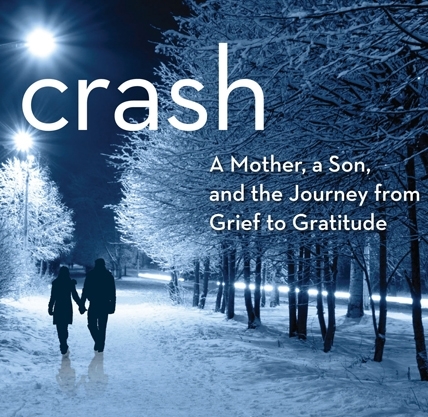
Two teenagers. A dark road. A drunk driver. This excerpt is from a beautiful book about the journey from grief to gratitude to grace by a pediatrician-mother.
Keeping a journal, taking videos, and looking back to mark progress can help families with a loved one with a severe TBI. But most importantly, families need to seek help.
It is easy for people with TBI and their families to become discouraged or depressed at what seems like a very slow rate of recovery. But a bruised brain needs time to heal.
This is a glimpse into the life of a girl whose father sustained a brain injury. Her life continues to be defined by the moment of her father's car crash — for better and for worse.
Children who have a close relative, particularly a parent, with a brain injury face many challenges. Learn how children can be affected and how to help them and the adults caring for them.
For physician, writer, and mother Carolyn Roy-Bornstein, writing was the way she made sense of the world, but after her son sustained a brain injury, she found she was also writing for him.