Use the filters to browse the information we have available or to narrow your search results for a specific audience (e.g. caregivers, military, children), a preferred type of content (e.g. videos, blogs, articles), or by topics of interest (e.g. family concerns, legal issues, symptoms).
Traumatic brain injury makes quirky seem quirkier, especially when a person is in the initial months of recovery. Rosemary learned that Hugh's loss of his sense of smell came with both dangers and quirkiness.
People often ask Rosemary what she has learned from Hugh's traumatic brain injury and all that has come after. In this week's blog post, she shares some of the lessons she has learned along the way.
Rosemary's sister once told her, “There’s the truth we tell others, the truth we tell ourselves, and the truth we won’t even tell ourselves” It wasn't until she was in therapy after Hugh's crash that she fully understood her sister's words.
It took almost nine years for Marine Michael Grywalsky to get the help he needed for TBI and PTSD. Without the tenacity of his wife, he may never have gotten it.
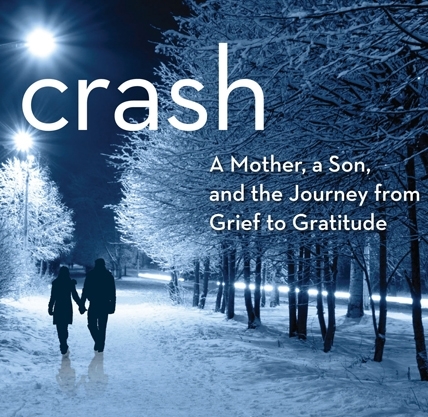
Two teenagers. A dark road. A drunk driver. This excerpt is from a beautiful book about the journey from grief to gratitude to grace by a pediatrician-mother.
For physician, writer, and mother Carolyn Roy-Bornstein, writing was the way she made sense of the world, but after her son sustained a brain injury, she found she was also writing for him.
Doctors often tell caregivers that they are the person who knows their loved one best, and they're going to have to be his voice until he has his own back.
In the last chapter of Naomi Parker's book about her daughter’s brain injury, Libby was starting her senior year of high school. BrainLine wanted to find out where she is now.