Use the filters to browse the information we have available or to narrow your search results for a specific audience (e.g. caregivers, military, children), a preferred type of content (e.g. videos, blogs, articles), or by topics of interest (e.g. family concerns, legal issues, symptoms).
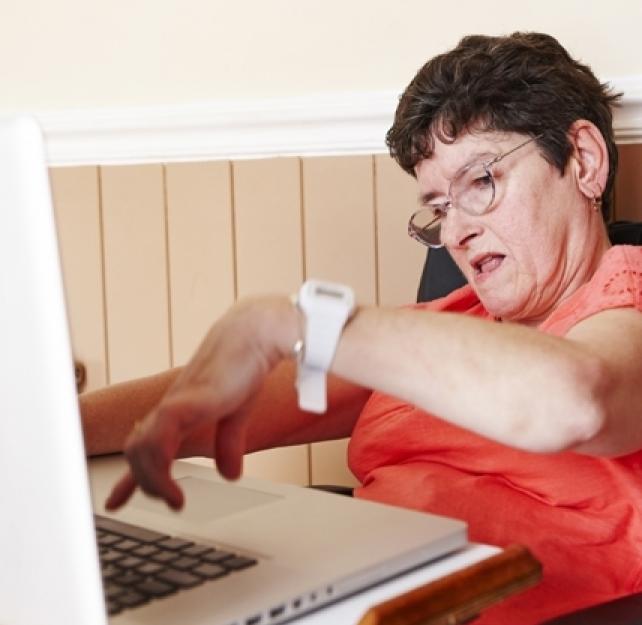
A brain injury can bring with it all sorts of challenges. A person’s balance may be off; he may have lost part of his field of vision; or his memory might be so compromised that within moments of seeing or hearing something, it’s gone. But like a magnifying glass for someone who has trouble reading the small print, there are many assistive technologies available for people with TBI.
People with brain injury can have problems with accessibility. They can run into countless obstacles — from websites that don’t take into account someone with vision problems or memory problems to buildings without wheelchair access. Here's what you need to know.
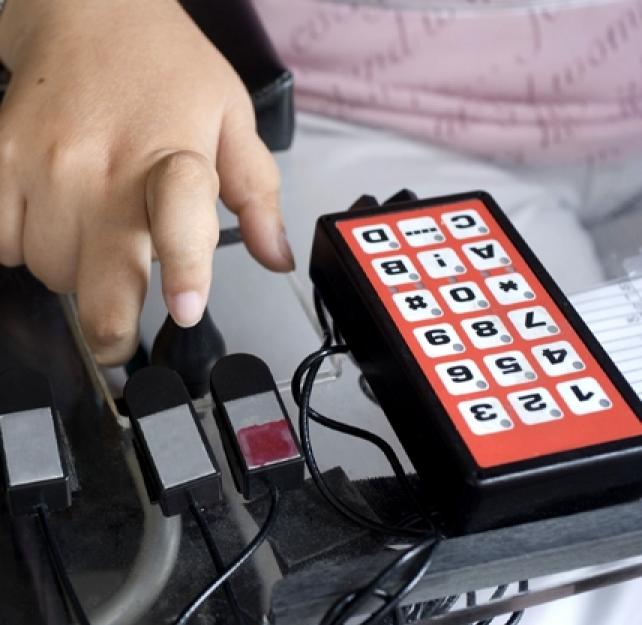
Communicators are portable electronic devices intended to provide people who have limited or no ability to speak with the ability to take participate in direct, face-to-face, real-time conversation.
Learn what can help from computer hardware and software that can speak for non-verbal people to programs to assist those with learning disabilities to more easily perform cognitive activities.