Use the filters to browse the information we have available or to narrow your search results for a specific audience (e.g. caregivers, military, children), a preferred type of content (e.g. videos, blogs, articles), or by topics of interest (e.g. family concerns, legal issues, symptoms).
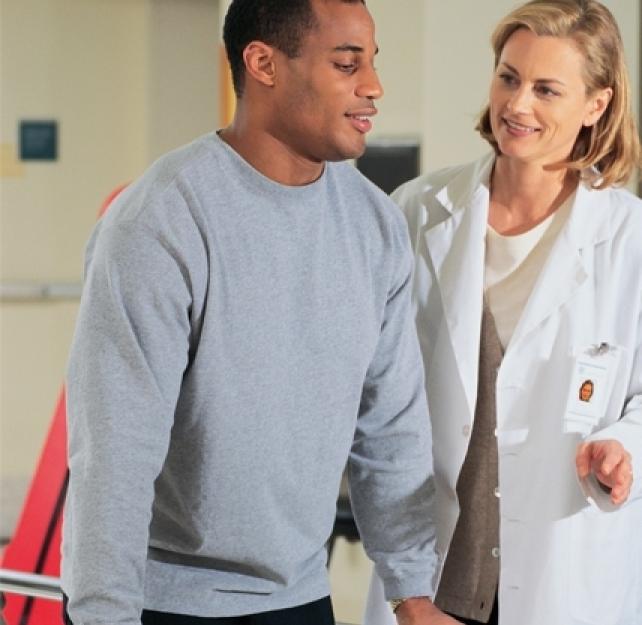
Providers know a treatment plan works best when the patient and family are involved with the medical team; the group can set realistic and meaningful rehab goals for quality of life.
Helping improve function and mood for patients post-TBI involves getting the whole picture of a person, his symptoms, and how they are affecting his life.
Doctors often tell caregivers that they are the person who knows their loved one best, and they're going to have to be his voice until he has his own back.
Transitions from the military can be stressful. You may be feeling unsure about what the future will bring. Here is some information to make the transition more smooth.
Information for service members, veterans, and their families about medical treatment resources outside of the DoD and VA treatment systems. These other resources can provide recovery and rehabilitation services for your family member. They also provide health benefits for eligible family members.
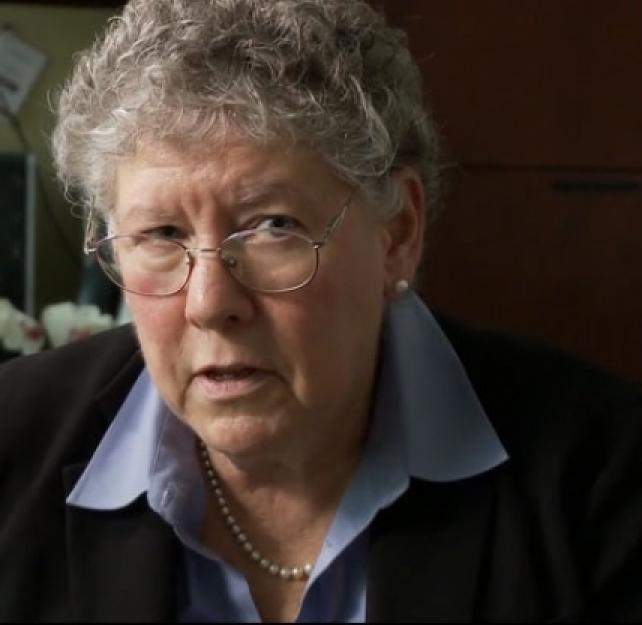
Army COL Dallas Hack, MD, talks about the challenges in diagnosing and treating TBI — from the dearth of research to the lack of definitive treatments.
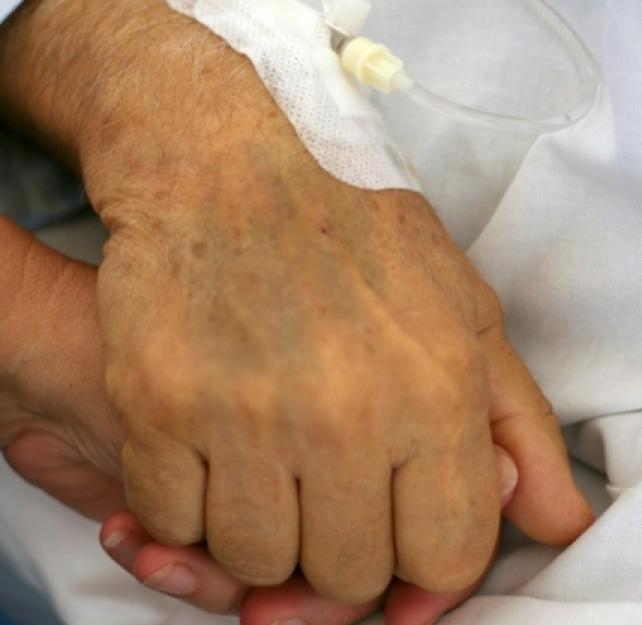
Having a loved one in the ICU with a severe TBI is traumatic for the whole family. Medical staff can help families become part of their loved one's recovery process.
Surgical and non-surgical interventions for TBI, especially those that are more severe, hinge on accurate diagnosis. More research is needed to fine-tune how TBIs are diagnosed, in ERs and in theater.
For mild TBIs, making a clear diagnosis can be difficult. There are CT scans and physical and neuropsych evaluations. But in the future there may be simple, revealing blood tests.
Getting to an ER is crucial after a TBI, especially for an injury that is on the more severe side. The quicker doctors can do a CAT scan of the brain, the quicker they can act on their diagnosis.
For service members with mild TBI and substance abuse issues, their job is to get better. Their command works with them to get them better and back to their units.