Use the filters to browse the information we have available or to narrow your search results for a specific audience (e.g. caregivers, military, children), a preferred type of content (e.g. videos, blogs, articles), or by topics of interest (e.g. family concerns, legal issues, symptoms).
My relationship with clinical depression goes back almost three decades. For reasons that even those intimately familiar with brain injury would be at a loss to explain, my depression virtually disappeared after my injury.
Some caregivers I know feel as if they are giving to the point of depletion. While some who have sustained a TBI and receive care may feel powerless and resentful with no control. This imbalance on both ends can create friction and despair.
Immediately following a brain injury, outsiders often reiterate to survivors how grateful they are for that person’s survival and how accepting they plan to b. But when put to the test in everyday life, we quickly discover it’s tough to respond with unwavering compassion.
A brain injury can be a precious gift. The existential crisis that more than likely occurs when you have an injured brain is a catalyst that can change your life positively forever.
Whether you choose to share your brain injury story publicly or document it privately for yourself, it can be surprisingly therapeutic to seize the narrative of your life. If I had kept my struggle inside, hidden from the world, I don’t know how I ever would have healed and moved on.
After a severe TBI at age 4, Michael Wight is now in fourth grade at Switlik Elementary, where they call him "the mayor." He attends class with other fourth graders and also gets help from a special education teacher, speech therapist, and physical therapist.
There seems to be no shortage of helpful tips and tricks about how to get through the holiday season as a brain injury survivor. But what about recovering after the holidays?
As caregivers, the people we care for depend on us to be consistent and reasonable, stable and strong. Setting our intentions may be one way of realigning ourselves with our values and goals, so we can continue to give care in a positive way. With that in mind, I’ll share with you what my intentions are for 2017.
Four years into the world of brain injury, caregiving, educating, processing my own grief and the extensive list that goes with a situation like ours, I have learned a lot about love and it's often quiet, unseen force.
I am one person who experienced a rather extreme trauma. I will always look at my life as “before and after.” I deem that to be a healthy mindset, one shared by most anyone who has lived through a life-altering event. But I’m tired of a mindset that separates me from the rest of humanity.
We often hear how differently survivors emerge from their experience, but one of the most unexpected outcomes in our post-TBI life is how vastly I have changed too. Why is it that caregivers, like survivors, also feel like new people?
As a survivor, I distinctly define the before and after. Everything was profoundly different in the before, and now we exist in the after. I can almost see the marker in my mind. This is what the after looked like a few nights ago...
Rachel Derrington is not the same person she was before her brain swelled up and changed her attitude, priorities and sense of self. She is better. Rachel shares the four things that turned her from an survivor to a thriver.
Caregivers play a vital role in helping veterans recover from TBI and post-traumatic stress. In this article, four military caregivers describe the first major challenge they faced as they began taking on the role of caregiver.
Former Army Sgt. and Dole Caregiver Fellow Danny O'Neel helps fellow veterans who are struggling with how to get through each day. The biggest change for him, he says, was "learning how to listen."
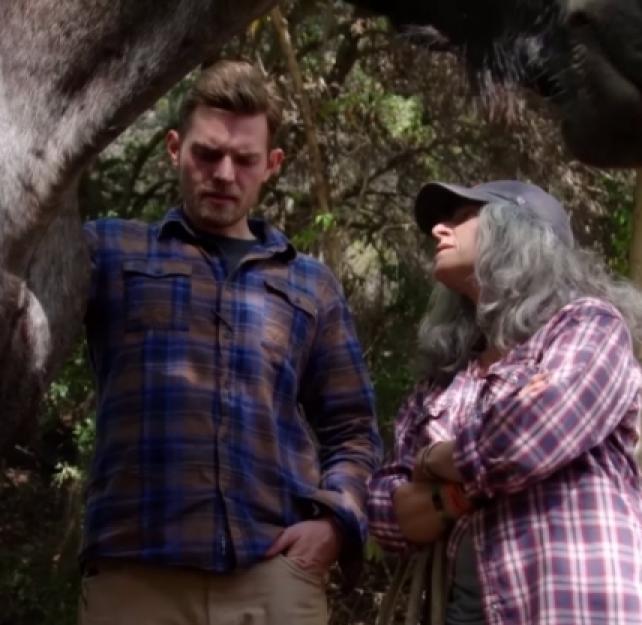
The horses are like the soldiers — they're highly sensitive and they don't trust easily. For U.S. Army Veteran Garrett Combs, working with one of the horses leads to a major breakthrough in his healing process.