Use the filters to browse the information we have available or to narrow your search results for a specific audience (e.g. caregivers, military, children), a preferred type of content (e.g. videos, blogs, articles), or by topics of interest (e.g. family concerns, legal issues, symptoms).
Family nurse practitioner Helen Coronel emphasizes the importance of taking a good history before deciding on a treatment approach for TBI-related headaches.
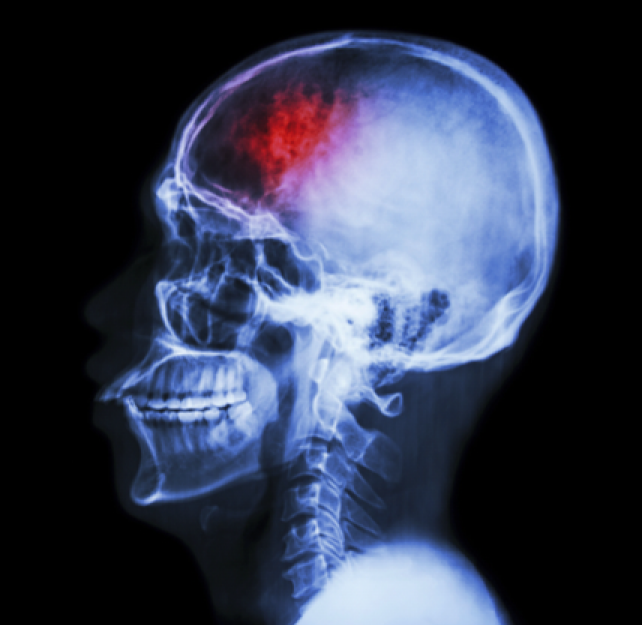
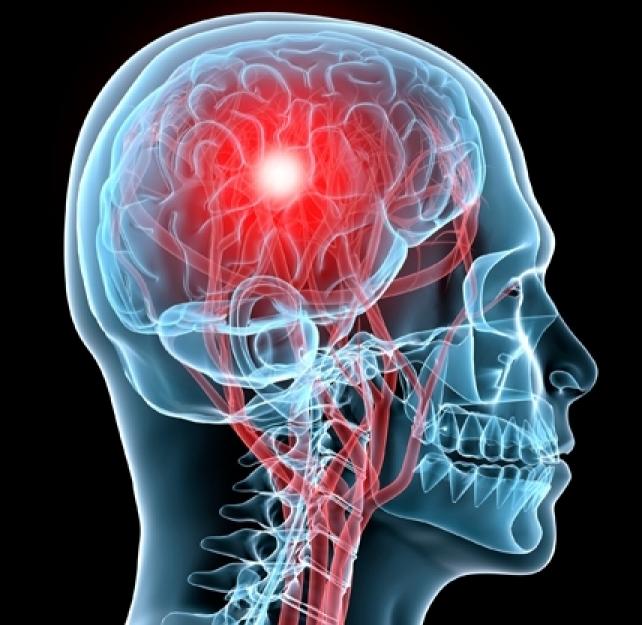
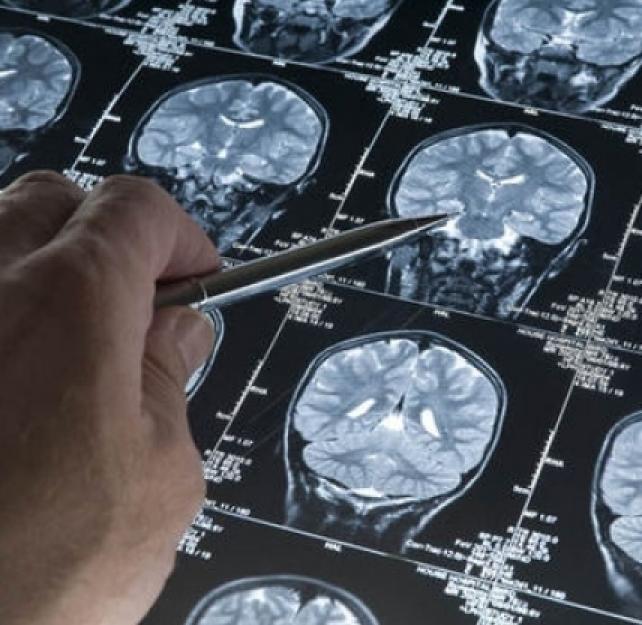
Our brains are terribly fragile and vulnerable to all sorts of injury. Although brain tissue can be damaged by a variety of things like infections, tumors, or strokes, any injury to the brain from an external force results in a TBI.
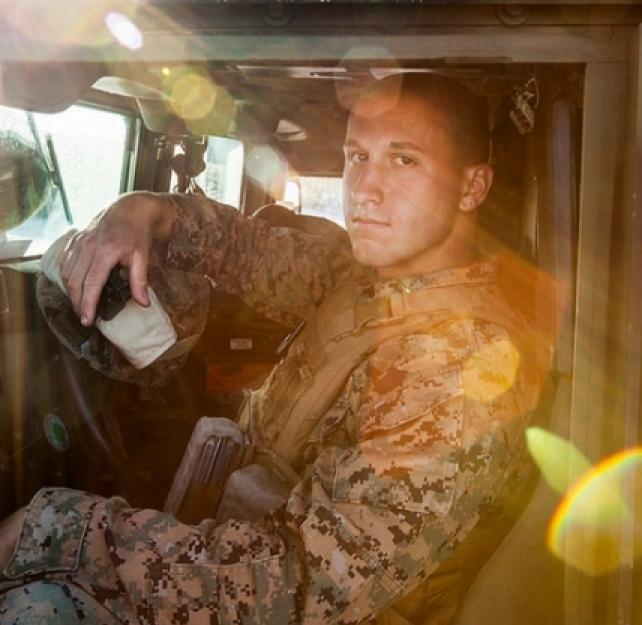
Veterans who sustained a traumatic brain injury (TBI) may be suffering from a range of symptoms. Learn how to cope using these strategies and resources.
DVBIC's TBI Recovery Support Program ensures that service members and their family is supported and connected to appropriate resources as they progress through the entire continuum of care to recovery.
Coping techniques for caregivers and families who are trying to manage stress, anxiety or sadness, while caring for an injured service member/veteran. Experts provide advice on relaxation and self-care.
Everyone in the family is affected by a brain injury. Your role within the family has changed and the role of your family member with TBI may also have changed. Here are some tips and strategies to assist families during this time of transition.
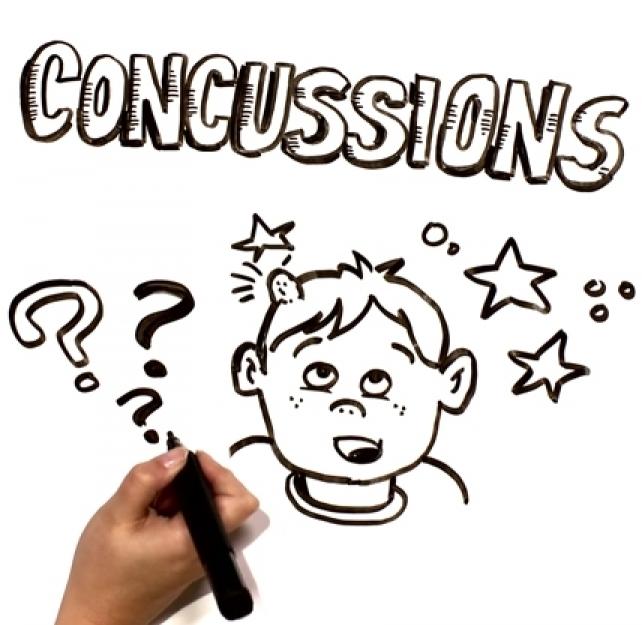
Concussions can be especially dangerous for young children because they may not be able to let others know how they are feeling. Learn the danger signs.
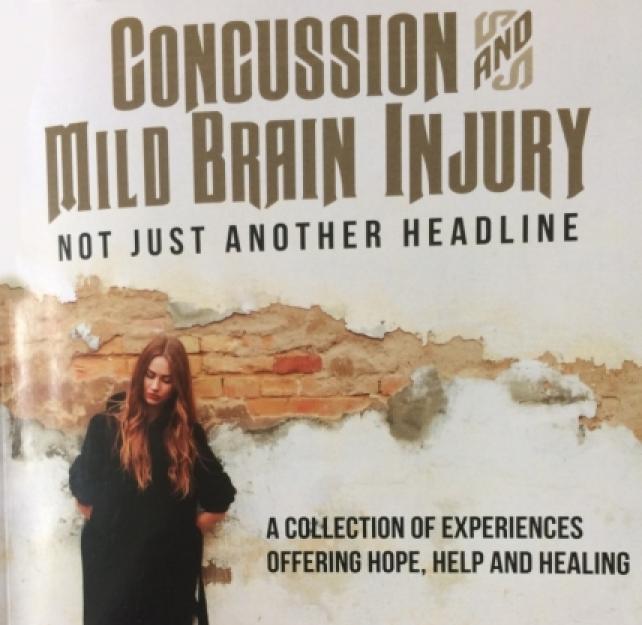
This book presents an enlightening array of personal accounts that illustrate the various ways that concussions have impacted people, families, and communities. I found all of them enlightening but, due to space, can only reveal a few quotes that stood out to me...
A study comparing depression rates in men and women one year after moderate or severe TBI shows no significant gender differences in depression symptom levels. But researchers did find different patterns of other symptoms.
I have learned some valuable lessons about watching a dear and loving friend experience a traumatic event and who ultimately became a caregiver without warning. Here are five lessons that I learned while trying to help.
Pick up the pieces, fit them back together, and see what new and lovely creation you have forged. It won’t be the same, but you may even like the “new” you better. I hope so!
Each year, traumatic brain injuries (TBI) contribute to a substantial number of deaths and cases of permanent disability. Understanding the data around brain injuries is critical to understanding the impact of this invisible public health crisis.
Women athletes are 50% more likely than male athletes to have a sports-related concussion. Although more susceptible to concussions, the study indicates that women recover from the injury at the same rate as men.