Use the filters to browse the information we have available or to narrow your search results for a specific audience (e.g. caregivers, military, children), a preferred type of content (e.g. videos, blogs, articles), or by topics of interest (e.g. family concerns, legal issues, symptoms).
Jason Cowper and Tonya Howell share their stories of coming to terms with changes in their memory, and strategies they use to compensate for these changes.
We've all got it, that inner voice that constantly narrates our lives. It is simply part of being human. But as many of us know, brain injury can complicate things. Gone can be the ability to know intuitively when and how to handle things. Without warning, our inner narrator takes on a new power.
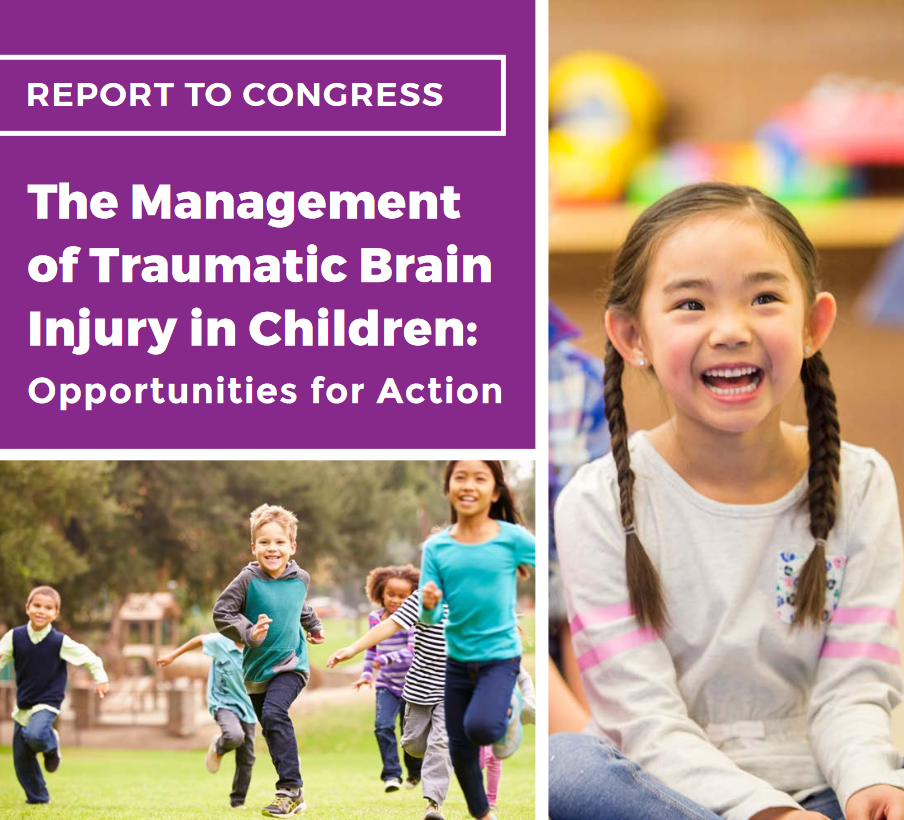
The CDC outlines current gaps in traumatic brain injury care and provides clear opportunities for action to improve the management and outcomes of TBI in children
This review summarizes 40 years of clinical and pre-clinical research on the treatment of acute severe brain injury with hyperbaric oxygen therapy (HBO2).
When my husband suffered a catastrophic brain injury at age 29, I rarely appreciated being told that God had a plan for us. I certainly didn’t want to be coached to keep my eye on the prize or to search for those silver linings. I wanted to cry out in pain and to sit in it for a moment. I simply wanted it to be what it was: hard. And I wanted that to be OK with everyone else too.
To be a caregiver at home for someone who is severely injured is to surrender. You surrender your time, put your ambitions on hold, and surrender many of the simple pleasures. You also surrender your peace of mind, your good night’s sleep, and routine. But there are ways to make life a little easier and more enjoyable...
Faced with a condition for which mainstream medicine has no satisfactory treatment, what should a reasonable and prudent person do? Accept the dismal verdict or cautiously explore alternatives?
Brain injury affects the roots of who we are — our ability to think, communicate, and connect with other people. Here's a good place to start learning.
My son’s brain injury has taught me over and over again that I often have little control over life’s circumstances. But that does not mean I throw caution to the wind. Here are a few things we've learned regarding legalities and Taylor's ongoing care and future.
Sometimes unexpected and unrelated medical conditions can exacerbate my traumatic brain injury symptoms. I have known this for years, but have just learned a new lesson about how true this can be.
The path of brain injury is a lonely one, not only for the survivor but also for the caregiver. Often family and friends, who gratefully were available during the initial event, return to their lives. It’s expected. return to their lives. It’s expected. But, their absence and support often leave the survivor and the caregiver with feelings of loneliness and abandonment.
In 2010, I found myself in the sandwich generation between two people I adored, my 70-year-old father and my 12-year-old daughter, both of whom suffered serious insults to the brain.