Use the filters to browse the information we have available or to narrow your search results for a specific audience (e.g. caregivers, military, children), a preferred type of content (e.g. videos, blogs, articles), or by topics of interest (e.g. family concerns, legal issues, symptoms).
COVID-19 has ended those routines that made getting through the day so much easier for someone with brain injury. The effects have been challenging on some days and completely devastating on others.
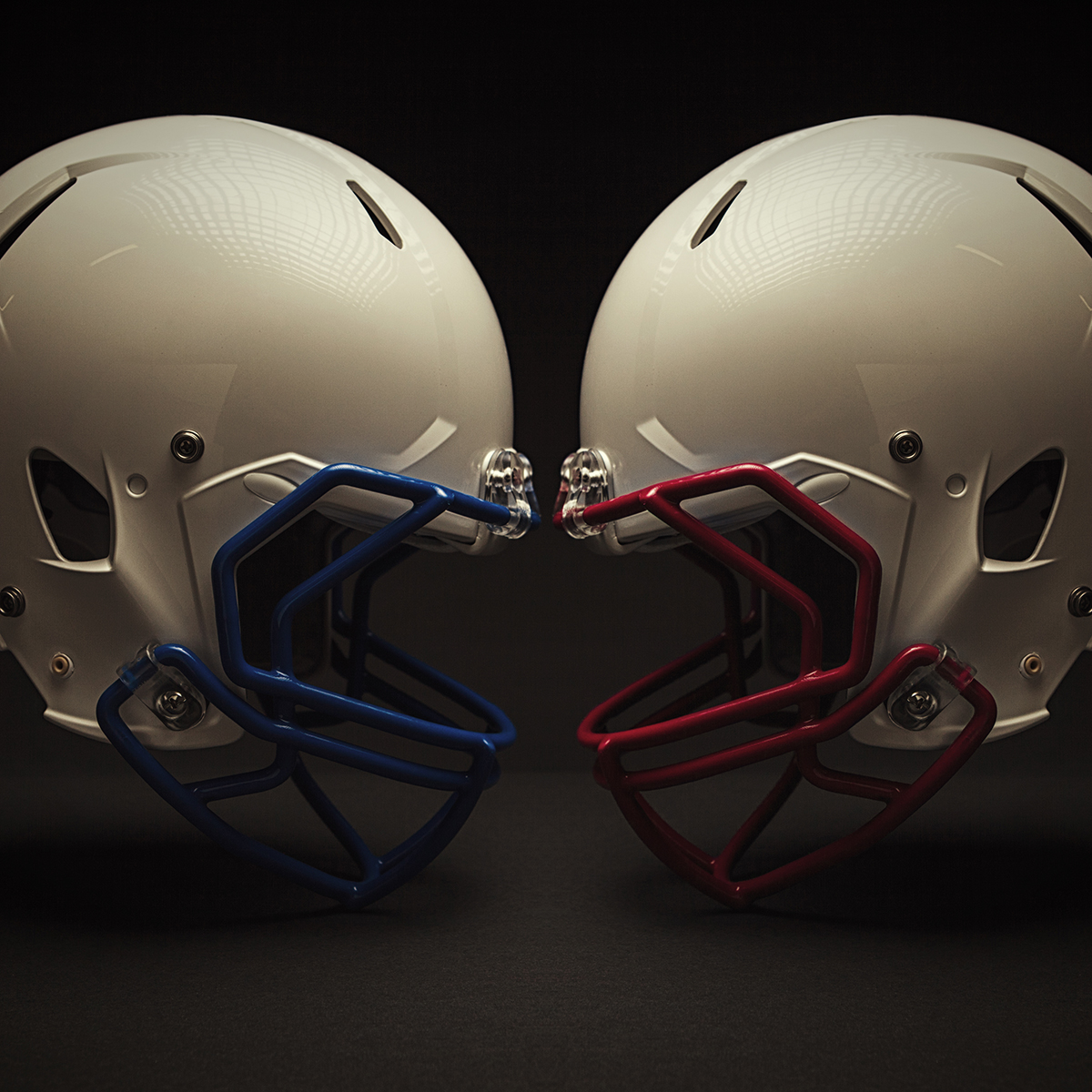
Question Are repetitive head impacts during a professional football career associated with mortality among National Football League players?
Findings In this cohort study of 13 912 National Football League players, a 25% increase in repetitive head impacts during a professional football career was associated with a statistically significant increase in the hazard ratio of death.
Meaning The findings suggest that repetitive head impacts are associated with an increase in the risk of all-cause mortality among professional football players.
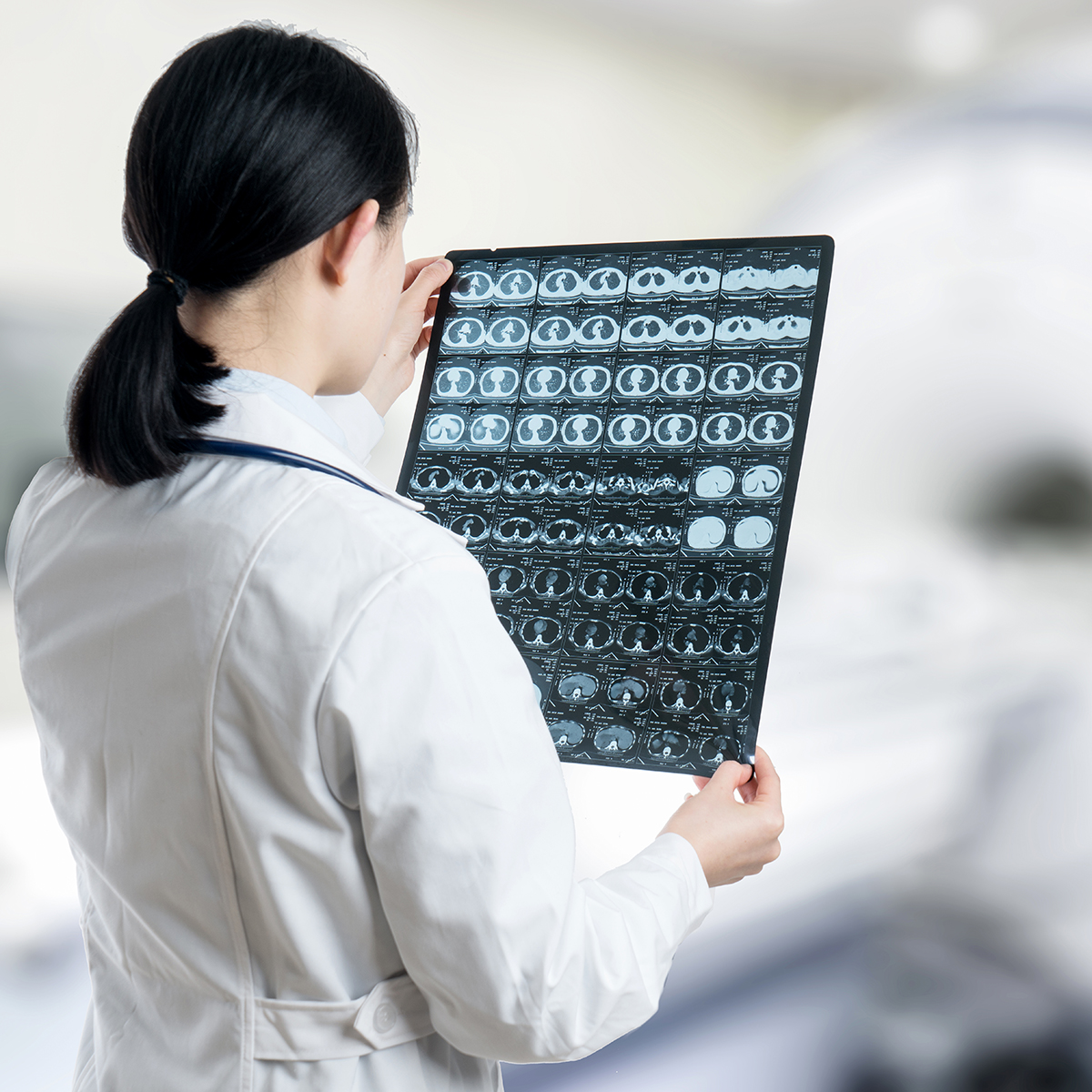
CT is the most common imaging modality in traumatic brain injury (TBI). However, its conventional use requires expert clinical interpretation and does not provide detailed quantitative outputs, which may have prognostic importance. We aimed to use deep learning to reliably and efficiently quantify and detect different lesion types.
A study examining the effect of the immune receptor known as Toll-like Receptor 4, or TLR4, on how memory functions in both the normal and injured brain has found vastly different cellular pathways contribute to the receptor's effects on excitability in the uninjured and injured brain.
COVID-19 has left many caregivers struggling with the emotional pressures of isolation. Nicole remembers a pivotal conversation about the inevitability of change and offers some advice on ways to find some comfort and calm in these difficult times.
The pandemic has changed the daily lives of everyone. How we work, how we shop, and how we interact with each other are all shifting. Comparing life as it is now with how it used to be can lead to sadness or despair and what's called "ambiguous loss."
What an awful, scary, and painful time it has been. I’ve wondered what (if anything) I should share. Some things seem so small now, and others so big...In this time of uncertainty it is important to tap into things that have previously helped you, and remind yourself of the goodness within you and around you.
A recent study conducted by researchers at New York University and published in the Journal of the American Medical Association (JAMA) has led many to believe the leading evidence-based psychotherapies for PTSD do not work for up to two-thirds of patients.
Our findings at Wounded Warrior Project® (WWP) show very different results.
A look at how to describe clinical recovery time and factors that might impact recovery after a sports-related mild traumatic brain injury (SR-mTBI; concussion).
The national age-adjusted rate of fall-related TBI deaths increased by 17% from 2008 to 2017; rates increased significantly in 29 states and among nearly all groups, most notably persons living in noncore nonmetropolitan counties and those aged ≥75 years.
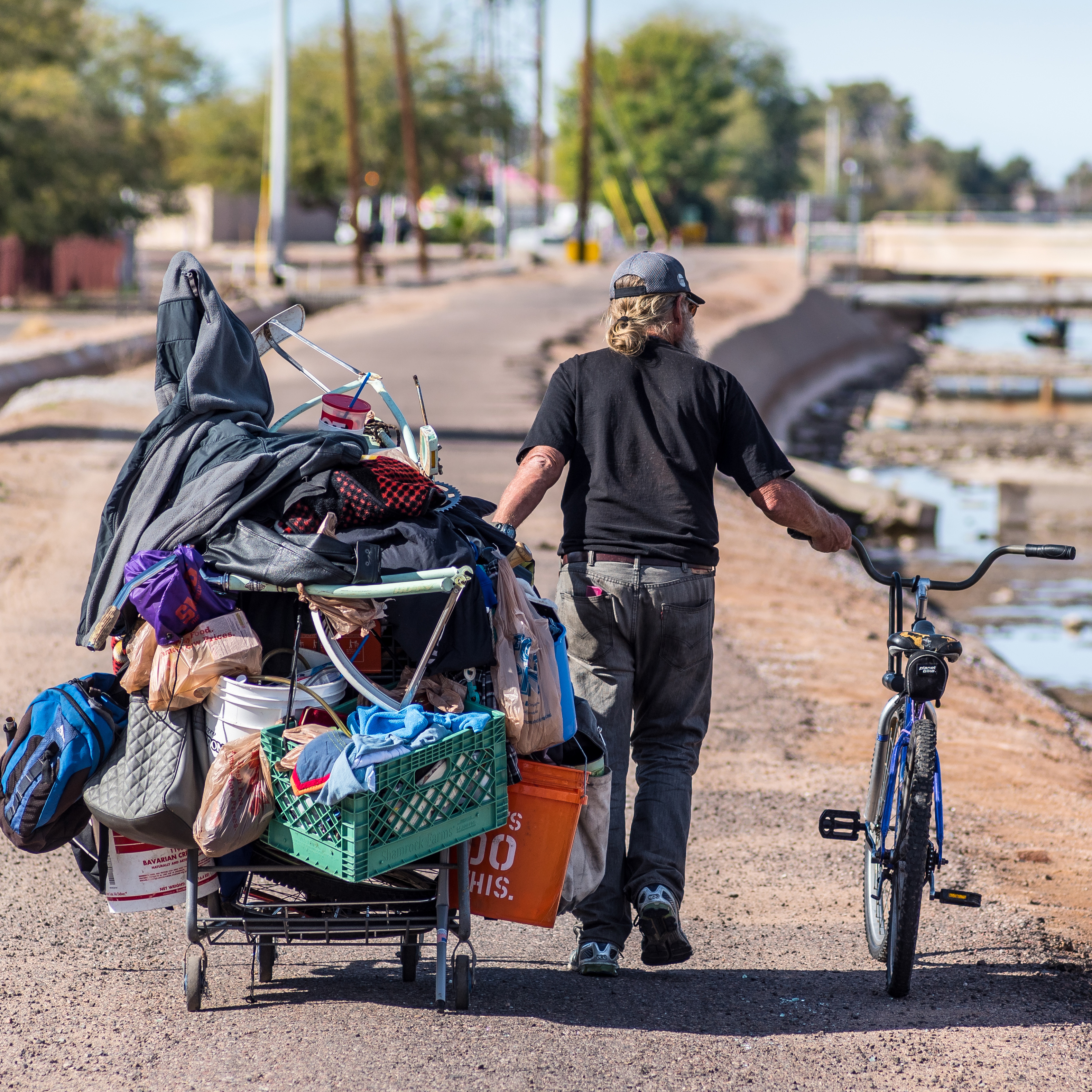
Homelessness is a global public health concern, and traumatic brain injury (TBI) could represent an underappreciated factor in the health trajectories of homeless and marginally housed individuals. We aimed to evaluate the lifetime prevalence of TBI in this population, and to summarise findings on TBI incidence and the association between TBI and health-related or functioning-related outcomes.