Use the filters to browse the information we have available or to narrow your search results for a specific audience (e.g. caregivers, military, children), a preferred type of content (e.g. videos, blogs, articles), or by topics of interest (e.g. family concerns, legal issues, symptoms).
Hugh taught the girls how to walk, to ride a bike, to swim and surf. When a car struck him just days after their fourteenth birthday, he slept in a coma after two emergency brain surgeries in three days. One word woke him up: Daddy.
Janna Leyde, writer, yoga teacher, and daughter of a father with severe TBI, asks: "So how do we reconnect the mind and body? How do we find ourselves in the now?"
Your home may be filled with fall hazards, so take a look around every room. There are easy preventative measures you can take to prevent falls and eliminate hazards.
"I used to think that if I was quiet as a mouse, my Mommy would be okay, but that’s not true. My Mom has PTSD." Read this book, written for kids who have a mom with PTSD.
"I used to think that if I was quiet as a mouse, my Daddy would be okay, but that’s not true. My Mom says my Dad has PTSD." Read this book, written for kids who have a dad with PTSD.
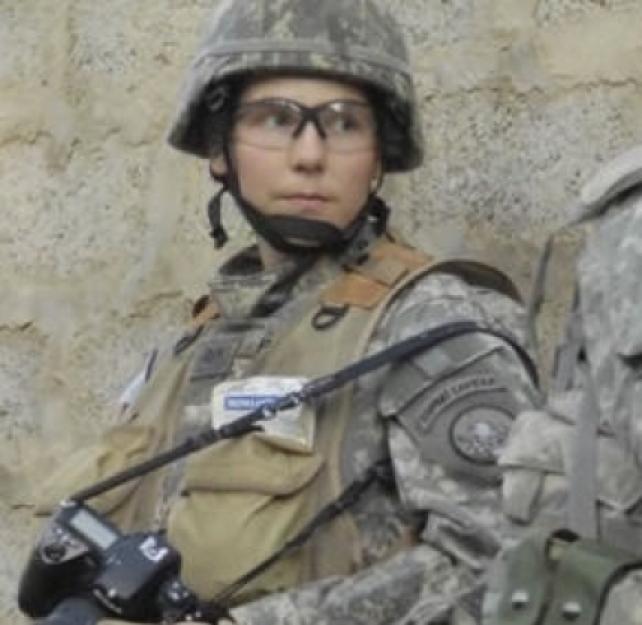
As a combat photographer, Staff Sgt. Stacy Pearsall received numerous physical injuries and experienced PTSD from the events she witnessed. With help from a friend, she found the help she needed.
At first, Rosemary thought Hugh was kidding around with his food. She soon found out he wasn't; he was "pocketing," part of left neglect that can come with brain injury.
The last thing Samuel Console, a retired Pennsylvania Army National Guard lieutenant, remembers after the explosion in Iraq was an orange flash of light. It wasn't until six years later he was diagnosed with brain injury.