Use the filters to browse the information we have available or to narrow your search results for a specific audience (e.g. caregivers, military, children), a preferred type of content (e.g. videos, blogs, articles), or by topics of interest (e.g. family concerns, legal issues, symptoms).
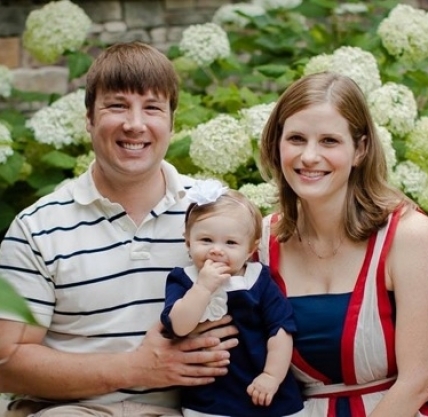
Cheryl Gansner shares her experiences about life with her husband, Sgt. Bryan Gansner, who has TBI and PTSD -- especially the social and emotional side.
Oftentimes, though in a civilian population, what you're dealing with isn't an acute concussion. You're dealing with these co-occurring conditions which have been brewing for a long time…
“Close your eyes and think about the vacation you took on a warm, sunny beach. Now, tell me every detail of what you see, hear, smell and feel.” This is how exposure therapy may start for vets with TBI and/or PTSD.
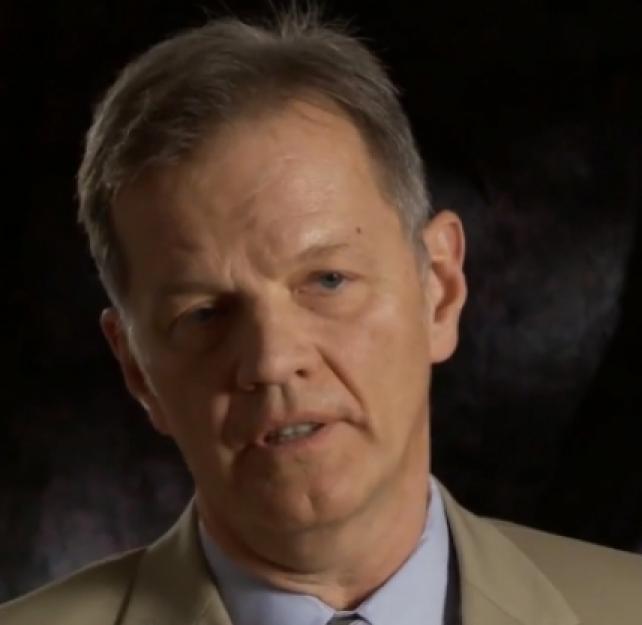
Col. Sidney Hinds, MD talks about current research for diagnosing and treating brain injury — from neurocognitive assessment tools to the role of complex neuroimaging.
Col. Sidney Hinds, MD talks about how doctors and researchers are looking at why some people recover more easily than others from TBI, and how treatment could vary.
Col. Sidney Hinds, MD talks about TBI care in military concussion care centers, concussion specialists, and evacuation, depending on the severity of injury.
Col. Sidney Hinds, MD talks about why an incident-reporting system of concussions in combat is more effective than a patient- or symptom-reporting system.
Col. Sidney Hinds, MD talks about guidelines and systems used in the combat setting to help diagnose concussion — from the MACE card to the incidence-based reporting system.
Neurologist and sleep medicine physician Anthony Panettiere talks about how to help people with TBI retrain their brain to regulate sleep pressure and get consistent, restorative sleep.
From the frontal lobe (which houses our emotions) to the amygdala (which oversees our fight or flight response), Michael Roy, MD, Col. (Ret.) explains how parts of the brain are affected when injured by brain injury or a traumatic experience.
Dr. Anthony Panettiere says that sleep problems after TBI and/or PTSD are common including difficulty falling asleep, staying asleep, waking up too early, nightmares, and sleep apnea.