Use the filters to browse the information we have available or to narrow your search results for a specific audience (e.g. caregivers, military, children), a preferred type of content (e.g. videos, blogs, articles), or by topics of interest (e.g. family concerns, legal issues, symptoms).
The events taking place in the news may be triggering to many in our BrainLine community. If you need to talk, you are not alone. There are resources available now. Please reach out to these crisis lines.
This week Duane France explores the paradoxes service members face, a conversation with Eli Varney, combat veteran and mental health counselor and the resource of the week: Onward to Opportunity.
Duane France talks with Kate Hatten, Executive Director of The Homefront Military Network, highlights the resource of the week, CASA of the Pikes Peak region.
A University of Washington study finds 81% of sexual assault survivors experience significant PTSD-related symptoms just one week after the attack, 75% after a month, 53% after three months. After a full year, 41% percent met the criteria for PTSD diagnosis. Study authors discovered that many started feeling better within three months.
Because traumatic experiences are frequently unresolvable or difficult to make sense of, the stories we tell about them lack a resolution as well. I’m reminded, for example, of a story relayed to Michael Herr, a war correspondent who spent a year in Vietnam and later wrote a book titled Dispatches about his experiences there. (He also co-wrote Full Metal Jacket with Stanley Kubrick.)
How can we process traumatic events like the COVID-19 pandemic? Johns Hopkins University School of Nursing Assistant Professor Tamar Rodney, PhD, MSN, RN explains.
Duane France talks with Charlton Clarke, a licensed professional therapist and co-clinical director at the Family Care Center. Plus the reasons why service members avoid therapy and the resource segment highlighting Project Sanctuary.
Disasters affect people who experience and respond to the event. Natural and technological disasters impact survivors, bereaved family members, witnesses to the event, and friends of those involved.
I stared through a sand-crusted windshield. It was more of a film, wiped clear along the path of the wiper blades. A dirty blonde desert haze, matching the Humvee’s paint—not that weird orange-tinged tone oddly clinging to some of our vehicles.
This week on Inside the Military Mind, your host Duane France interviews Molly Wingate, founder and executive director of Poetry Heals. Plus, information on Angels of America's fallen and more on Inside the Military Mind, presented by Family Care Center.
Tener un perro puede levantar el ánimo o ayudarlo a sentirse menos estresado. Los perros pueden ayudar a las personas a sentirse mejor al brindarles compañía. Todos los dueños de perros, incluidos los que tienen trastorno de estrés postraumático (TEPT) pueden tener estos beneficios.
Luego de sufrir un trauma, los sobrevivientes a menudo dicen que su primera sensación es sentirse aliviados por estar vivos. Esto podría estar seguido por estrés, miedo e ira. Los sobrevivientes de un trauma también podrían descubrir que son incapaces de dejar de pensar en lo que ocurrió. Muchos sobrevivientes presentan un alto grado de alerta, lo que hace que reaccionen intensamente ante los sonidos e imágenes a su alrededor.
Most people have stress reactions after a trauma. Having such a reaction has nothing to do with personal weakness. Stress reactions may last for several days or even a few weeks. For most people, if reactions or symptoms that feel like PTSD occur, they will slowly decrease over time.
Women represent the fastest-growing segment of the veteran population – they make up 9% of the total veteran population in the U.S. (U.S. Census Bureau, 2019), and are projected to make up 16% of all living veterans by 2043 (National Center for Veteran Analysis and Statistics, 2017). Of warriors who completed the 2020 Wounded Warrior Project® (WWP) Annual Warrior Survey, 20% are women – a larger representation when compared to the general veteran population.
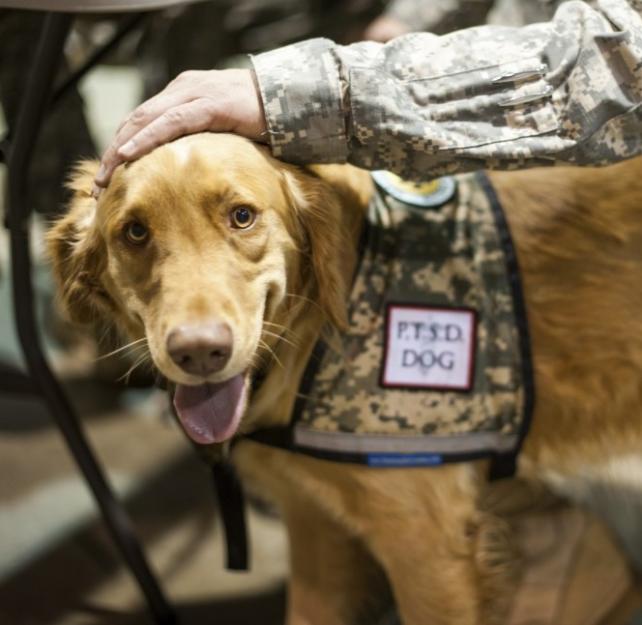
Owning a dog can lift your mood or help you feel less stressed. Dogs can help people feel better by providing companionship. All dog owners, including those who have posttraumatic stress disorder (PTSD) can experience these benefits.
Acute stress disorder (ASD) is a mental disorder that can occur in the first month following a trauma. The symptoms that define ASD overlap with those for PTSD.
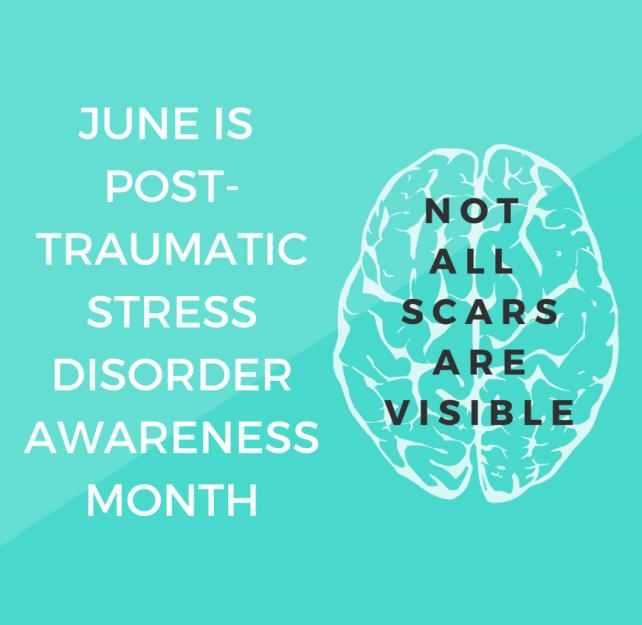
June is Post-Traumatic Stress Disorder (PTSD) Awareness Month, an observance intended to raise public awareness about issues related to the disorder, reduce ITS stigma, and help to ensure that those suffering from the disorder have access to proper care.
Connor Martin and his family donated his brother Kevin Ash's and evidence of CTE was discovered, a condition that can only be diagnosed after death. Kevin's family encourages others to donate as well so we can learn more about brain injuries and CTE.
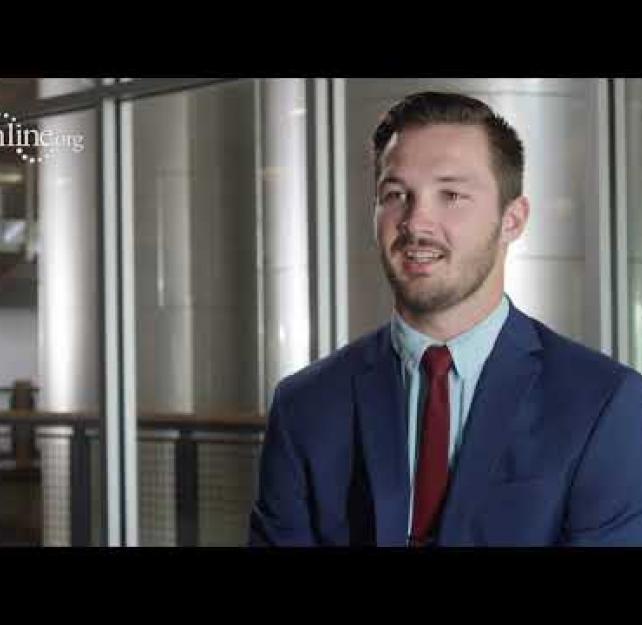
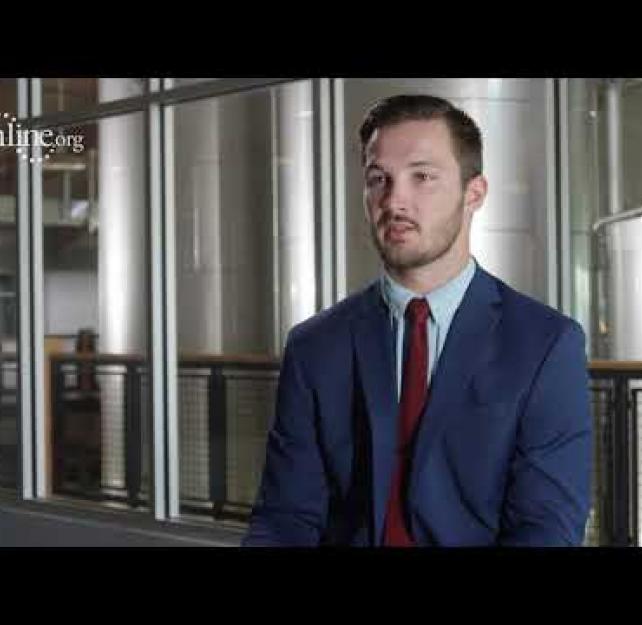
Would Connor Martin's brother, veteran and athlete Kevin Ash, have lived his life differently if he'd know more about traumatic brain injury? Connor doesn't think so. But Connor knows the dangers now and he tries to make things safer when he's active.
Connor Martin believes that donating his brother Kevin Ash's brain made a difference in how his family coped with Kevin's altered behavior and death after receiving traumatic brain injuries (TBIs).
Kevin Ash, a veteran, felt strongly about helping others. His brother Connor Martin knows Kevin would be proud to continuing helping others even after his death by raising awareness of TBI, CTE, and brain donation.
While Connor Martin's brother, veteran and athlete Kevin Ash, was stated to come out of his coma there were precious moments for his family, even amidst the difficulties.