Use the filters to browse the information we have available or to narrow your search results for a specific audience (e.g. caregivers, military, children), a preferred type of content (e.g. videos, blogs, articles), or by topics of interest (e.g. family concerns, legal issues, symptoms).
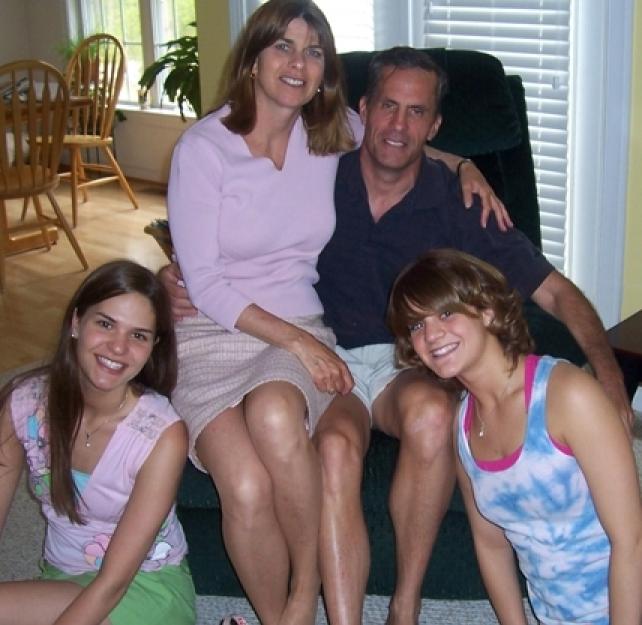
April 13, 2002 started like any other Saturday morning for the Rawlins family. In her blog, Rosemary talks about the phone call that changed everything.
Unlike adults, children with a brain injury may not manifest any issues until they fail to reach a new developmental stage. Earlier intervention is always advisable, but diagnosis can be tricky.
Both CTs and MRIs come with risks — from sedative drugs to levels of radiation. Depending on the severity of brain injury, parents and doctors should always consider the risk-benefit ratio.
Chronic traumatic encephalopathy can only be tested post-mortem, but George Visger, who suffers from hydrocephalus, has offered his brain for testing next time he needs brain surgery.
Sometimes people come to think of acceptance as a dirty word, but learning to grieve for the old person and embrace the new one post injury is crucial.
Family or couples therapy after a TBI can help with strategies but can also address some of the issues the family or couple may have had prior to the injury.
When Dr. Taryn Stejskal meets with couples, first she listens to their story then works with them to form strategies that work for their individual issues.
The cognitive, communication, behavioral, sensory, physical, psycho-emotional, and social changes commonly experienced following TBI can affect a person's ability to return to work.
Ron Broughton of Brookhaven Hospital talks about ways that healthcare providers can use flexibility to help their patients continue to make progress on a daily basis.
The Elisabeth Kubler-Ross model of grieving shows stages from denial to bargaining to acceptance. For caregivers with a loved one with TBI, these stages are not so orderly.
Healthcare professionals often talk philosophically about the importance of the holistic approach to helping people with TBI, but do their actions match their words?
Ron Broughton of Brookhaven Hospital talks about moving away from standardized rehab treatments for people with TBI and focusing on a truly individualized model.