Use the filters to browse the information we have available or to narrow your search results for a specific audience (e.g. caregivers, military, children), a preferred type of content (e.g. videos, blogs, articles), or by topics of interest (e.g. family concerns, legal issues, symptoms).
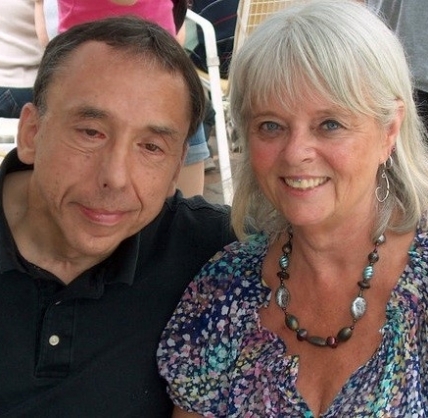
The path of brain injury is a lonely one, not only for the survivor but also for the caregiver. Often family and friends, who gratefully were available during the initial event, return to their lives. It’s expected. return to their lives. It’s expected. But, their absence and support often leave the survivor and the caregiver with feelings of loneliness and abandonment.
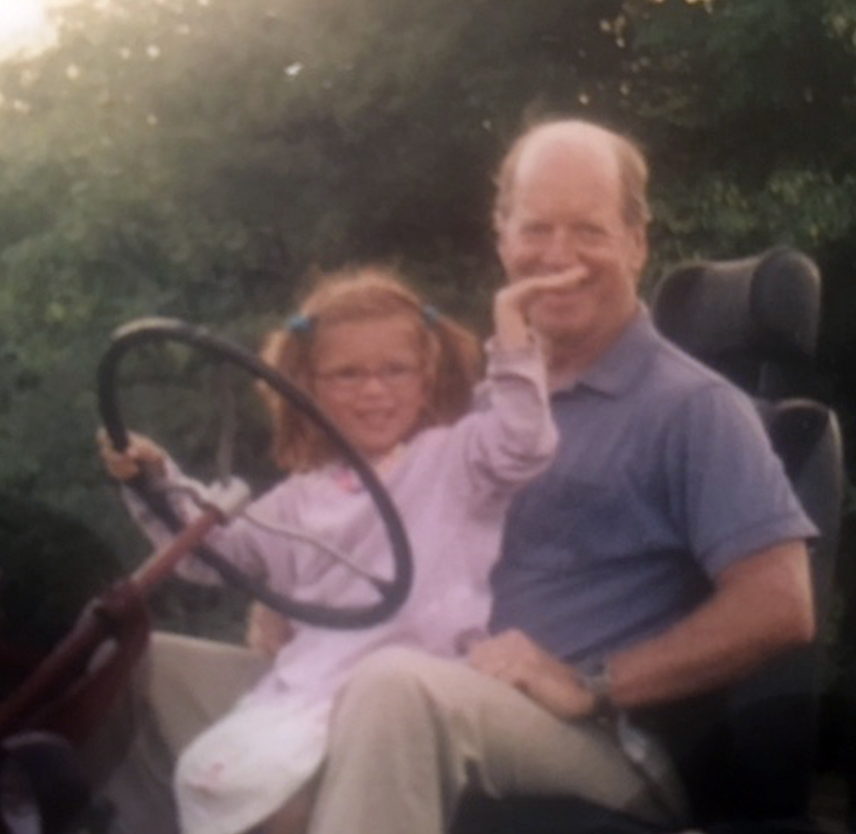
In 2010, I found myself in the sandwich generation between two people I adored, my 70-year-old father and my 12-year-old daughter, both of whom suffered serious insults to the brain.
If I am busy with every little thing, then I don’t have time to be sad, angry, feel hopeless or miss our lives and the son I knew before. I can diminish the magnitude of Taylor’s injury. It just won’t hurt as much, until it hurts like hell and can’t be ignored. So here is what I learned in my own version of spin class.
What do readers in the brain injury world want? I can only guess that like me; they want it all: practical solutions, resources & references, a place to vent, a place to grieve, a place to interact with people who "get it."
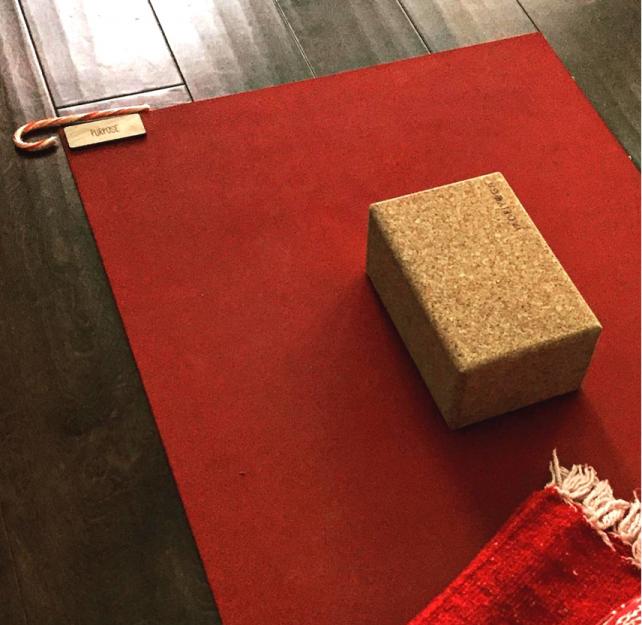
What do you need? You, meaning you reading this blog. Because I promise that there is a way that a yoga practice can give you part of what you need—if not all of it. And I rarely make promises. Ask me. Test me. Try me.
During Steven’s many years of rehabilitation, when tanks ran empty, when exhaustion hit so hard that not even a double shot of espresso coupled with dark chocolate could revive me, silver linings showed up in the form of everyday people...